ATEX Explosion Isolation Valve
Use
The ATEX explosion isolation valve is a protective component selected to limit explosion propagation through connected dust-collection equipment.
- Application
- Dust collection lines · Filter inlet and outlet ducts
- System Type
- System component
- Control Panel
- 120VAC or 24VDC for NFPA 69 compliance (1–4 input/output options)
- Housing Material
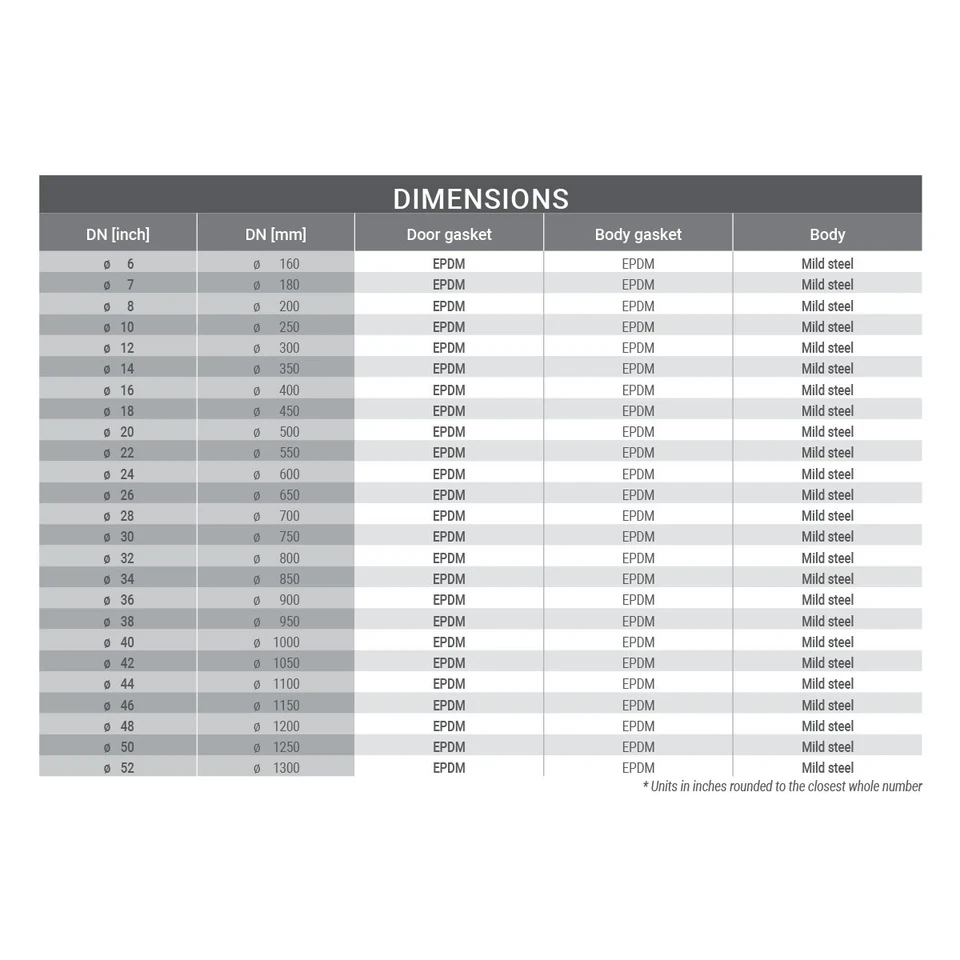
- Painted mild steel, galvanised steel or 304 stainless steel
- Applicable Standards
- NFPA 69, EN 16447
- Gasket
- Standard EPDM (optional: FDA-approved silicone resistant to 200°C)
A Closer Look At The Product
ATEX Explosion Isolation Valve Operation And Installation
Valve diameter and installation distance are assessed alongside filter layout and dust properties. Sensor and locking options follow the isolation project’s control arrangement.
- Bidirectional useAirflow or a locking mechanism allows use on inlet and outlet lines.
- Pressure lossA domed flap reduces resistance to airflow and pressure drop.
- CertificationApproved for ATEX Zone 21/22 applications and designed to meet EN 16447 and NFPA 69 requirements.
Model Selection
Pipe diameter, dust characteristics, installation distance and sensor options are selected as part of the application’s explosion-protection design.
Where Is It Used?
Let’s assess it for your work and workspace.
Dust Collection Lines
Filter Inlet And Outlet Ducts
Explosion Isolation Projects
Three Details To Help Us Choose
Explosion isolation equipment is selected with the facility’s risk assessment.
- Dust characteristics and the existing risk assessment
- Filter system, pipe diameters and line layout
- The manufacturer’s application conditions for the model
Frequently Asked Questions
What Does An Isolation Valve Do?
The valve is used to limit the propagation of an explosion through filter and dust-collection ducts. It is assessed as a separate protection component alongside filtration equipment.
Can A Valve Be Selected By Pipe Diameter Alone?
Dust properties, installation distance, flow direction and sensor options are considered alongside pipe diameter. The model is confirmed against the facility’s explosion-protection design and the manufacturer’s conditions.
What Information Helps With Model Selection?
Explosion isolation equipment is selected with the facility’s risk assessment. For an assessment, please share: dust characteristics and the existing risk assessment; filter system, pipe diameters and line layout; the manufacturer’s application conditions for the model.
How Can I Get Maintenance And Spare-Parts Support?
Share the equipment model, serial number if available and your requirements with our service team. We can assess maintenance or replacement needs for the filter or part fitted.
How Can I Get Pricing And Delivery Information?
“Request a quotation” adds the selected model to the contact form. Describe your application and equipment needs; configuration, pricing and delivery details are provided with the quotation.
Support Beyond Installation.
Talk to the same team about site surveys, installation, maintenance and spare parts. For existing equipment, share the model and serial number.
| Specification | Details / options |
|---|---|
| Housing material | Painted mild steel, galvanised steel or 304 stainless steel |
| Gasket | Standard EPDM (optional: FDA-approved silicone resistant to 200°C) |
| Sensor options | Inductive shutdown sensor (standard / ATEX Zone 21/22), dust accumulation sensor (for organic and metallic dust) |
| Control panel | 120VAC or 24VDC for NFPA 69 compliance (1–4 input/output options) |
| Applicable standards | NFPA 69, EN 16447 |
Request a Quote for This Product
Let’s find the right configuration for your application.