

Dust Extraction For Pharmaceuticals & Chemicals
Extraction and filtration selected for the dust, gases and vapours produced in pharmaceutical and chemical work.
Applications
- Source extraction
- Filtration stages
- Controlled maintenance
We Start With The Materials
The substances used in pharmaceutical and chemical work determine how dust should be collected and which system is suitable. We review the materials, production steps and working conditions.
Dust, gases and vapours do not always suit the same filter. A dust filter should not be assumed to remove gases or vapours; the treatment method is chosen for each substance.
Process, Contaminant And Extraction Approach
| Process | Contaminant / Need | Approach |
|---|---|---|
| Weighing and dosing | Active-ingredient / raw-material dust | Exposure target and contained capture |
| Mixing and filling | Feed and discharge dust | Local extraction and controlled discharge |
| Laboratory | Gases, vapours or aerosols | Chemically compatible arm / hood and exhaust |
| Filter maintenance | Contact with collected dust | Contained bag-in/bag-out where required |
Specifying The System For The Application
- Material safety data sheets and emissions generated during processing.
- Capture at the source, duct tightness and filtration stages.
- HEPA final-stage filtration where required, with checks of system integrity.
- Access and exposure conditions during filter changes, dust discharge and waste handling.
Planning With Your Production Team
Required material resistance, air discharge arrangements and any explosive-atmosphere conditions are established through the facility’s assessment. A filter class alone does not establish compliance with every hygiene or regulatory requirement.
Site survey, equipment selection, installation and maintenance support are considered as part of the same project.
Exposure, Filtration Class And Safe Replacement
Review the safety data sheet, process quantity and available occupational exposure limits before selection. Final HEPA filtration or contained bag-in/bag-out depends on the material hazard. HEPA alone does not address solvent gases. ATEX fan requirements depend on the chemical, area classification and operating conditions, not simply the room being a laboratory.
Identify The Operation That Releases The Dust
Opening ingredient packaging, weighing, charging a mixer and discharging product can create different extraction needs. Even with the same substance, operator access and task duration may vary. The review should include short activities such as sampling and cleaning as part of the production sequence, rather than focusing only on the main production equipment.
The safety data sheet, quantity handled and whether the operation is open or enclosed provide essential selection information. Capture equipment should fit the working position without obstructing movement or product transfer. The site's exposure and quality requirements are reviewed with its technical team to establish a suitable collection and filtration approach.
Consider Filter Selection And Air Discharge Together
Filter class alone is not enough to select equipment for pharmaceutical or chemical applications. The presence of gases or vapours alongside dust changes the treatment required. Unsuitable filter or connection materials may not withstand the application. The properties of components in contact with the extracted air also need consideration.
Air discharge is planned together with the facility's ventilation arrangement. A HEPA stage does not automatically make recirculation appropriate in every situation. Return-air or outdoor discharge decisions depend on the substances and the site's assessment. General room ventilation and extraction at the task have distinct functions and should be planned accordingly.
Filter Replacement Is Part Of The Process
Maintenance brings staff into contact with material accumulated in filters and collection vessels. Replacement and emptying methods are therefore design considerations, rather than details to resolve after selecting the equipment. Depending on the dust, enclosed discharge or controlled filter change may be required. Connections and maintenance space need to support those arrangements.
Site procedures establish who performs maintenance, how used filters are packaged and which waste stream receives them. Enough space must be available to remove the filter. Service access and its relationship to production areas are reviewed alongside cleaning and product changeovers, so operation and maintenance are addressed within one project.
Information To Prepare For A Technical Review
An enquiry can include a short process description, substance list and operating frequency. Photographs, equipment layout and current extraction connections help explain the application. State any specific material, cleaning or documentation requirements at the outset. This allows the proposed scope and expected operating conditions to be discussed on the same basis.
Plan which operating values will be recorded at commissioning and how maintenance records will be kept. Introducing a chemical, changing production quantities or adding a connection may require the original selection to be reviewed. The assessment should include such changes, rather than treating suitability under the initial installation conditions as permanent.
Solutions For This Industry
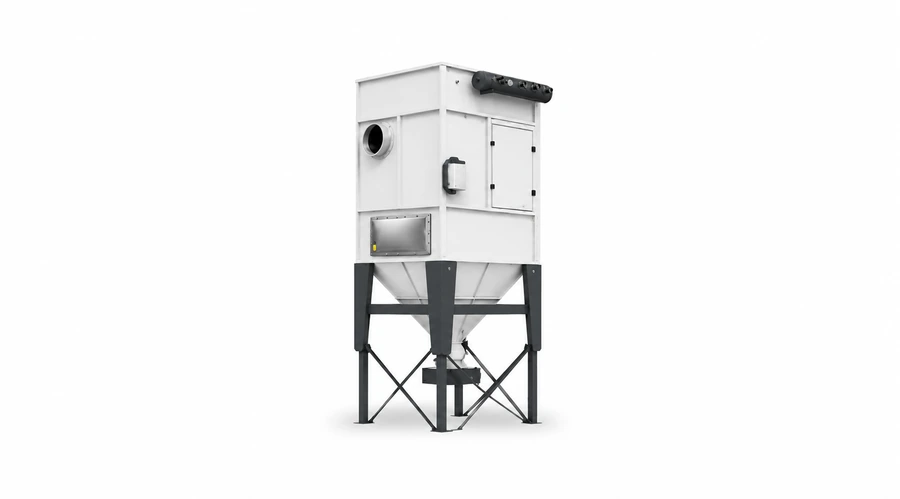
Contained Process Dust Extraction
Safety data sheet, process quantity, exposure target, workstations and layout. Local capture and central filtration are planned around these inputs.
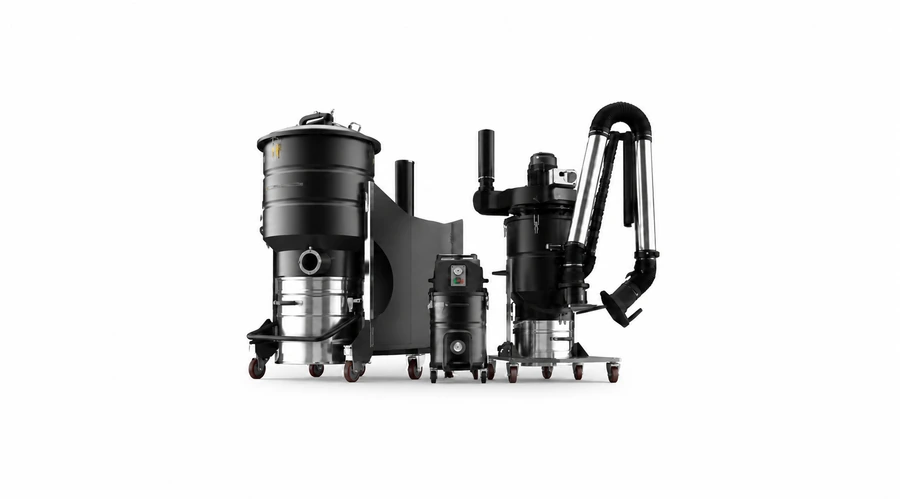
On-Tool Extraction And Plant Cleaning
Extraction at the workstation or enclosed collection of deposited dust using material-compatible equipment.
Related Products
Product catalogue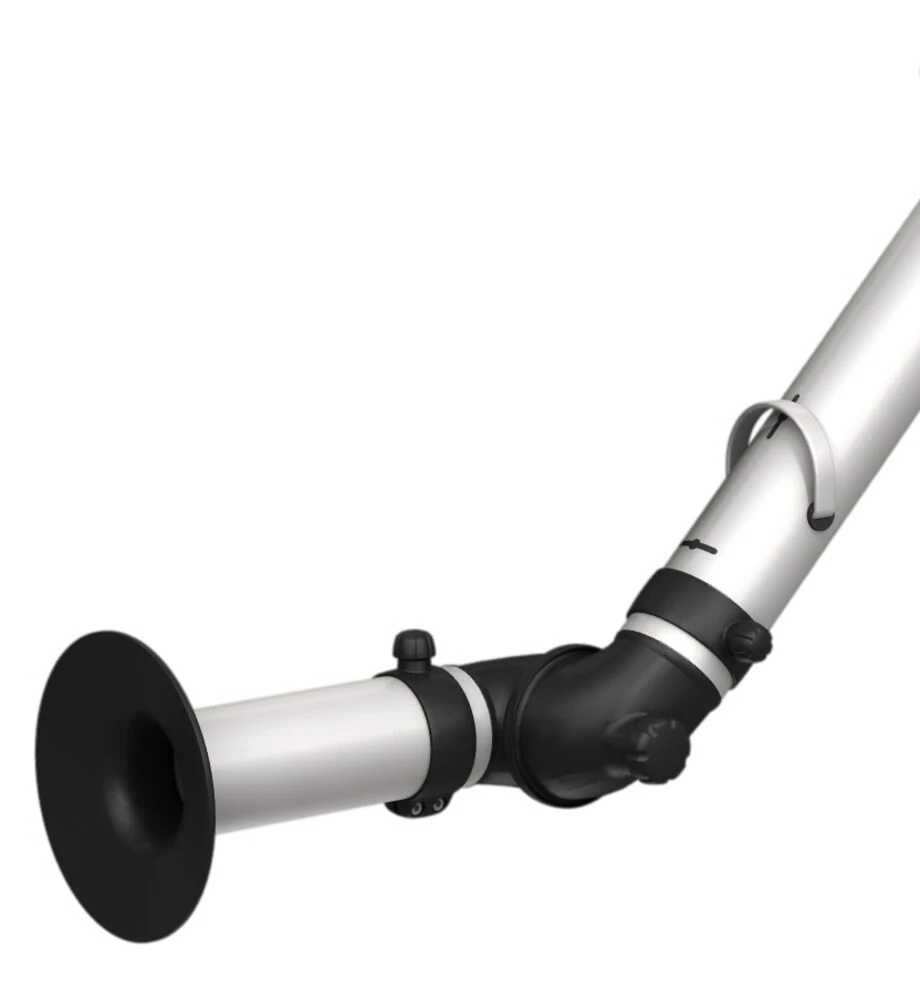
Frequently Asked Questions
Does A Dust Filter Capture Solvent Vapour?
No. Gas and vapour ventilation must be assessed separately for the chemical.
When Is HEPA Required?
The decision depends on particle-control targets, exposure risks and process requirements.
Can Filter Replacement Cause Exposure?
There is a risk of contact with collected material. Determine protection and contained replacement in the maintenance plan.
Does Every Laboratory Need An ATEX Fan?
The substance, quantity, area classification and operating conditions determine the requirement.
What Information Is Needed For A Quote?
Safety data sheet, process quantity, exposure target, workstations and layout.
Related Articles
Let’s Choose A System For Your Business
Let’s discuss what you need. Share your contact details and we can plan a suitable system for your facility.
+90 212 909 52 83