
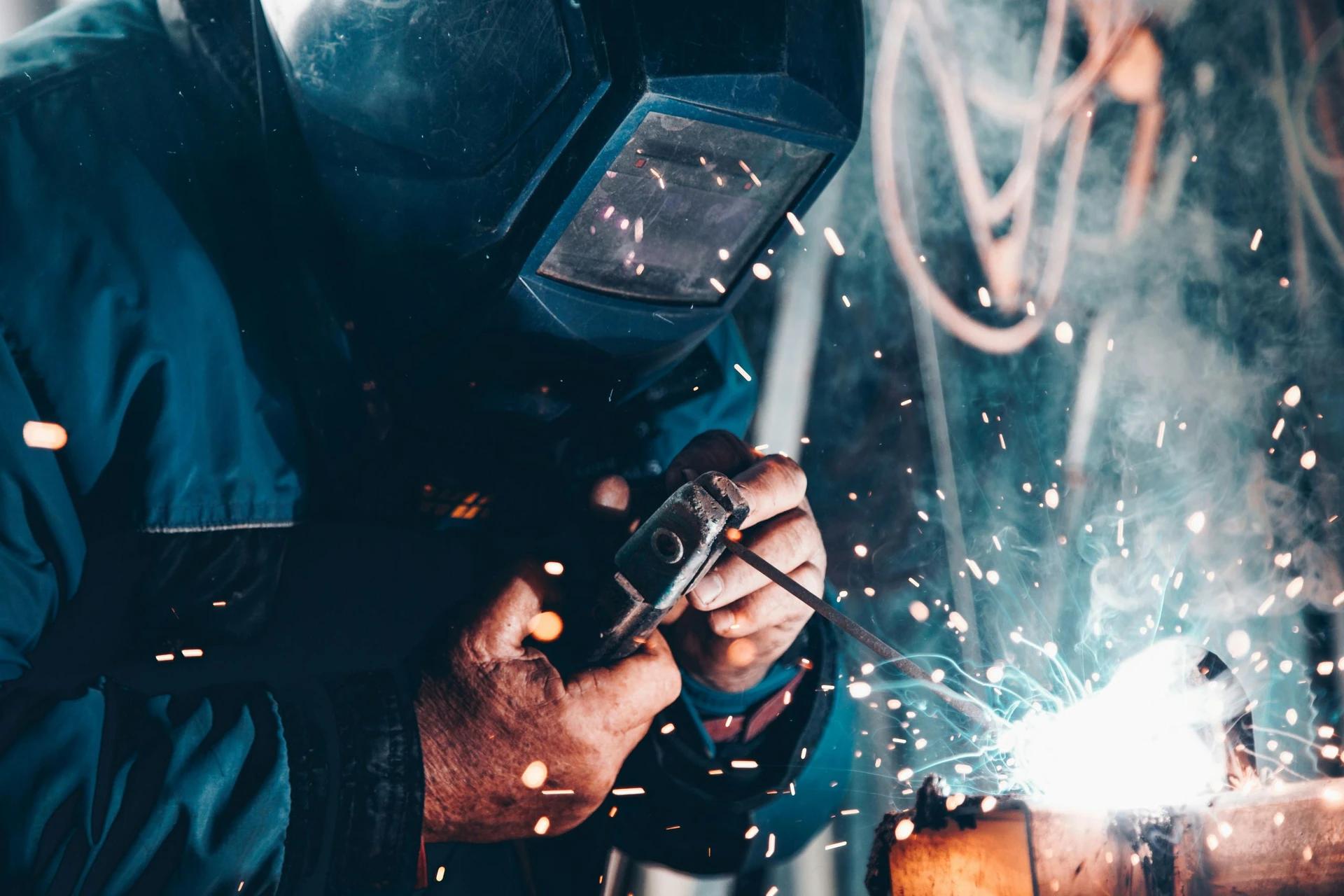
Welding Fume & Plasma Cutting Dust Extraction
Fume extraction for manual welding, robotic cells and thermal cutting.
Applications
- Manual welding
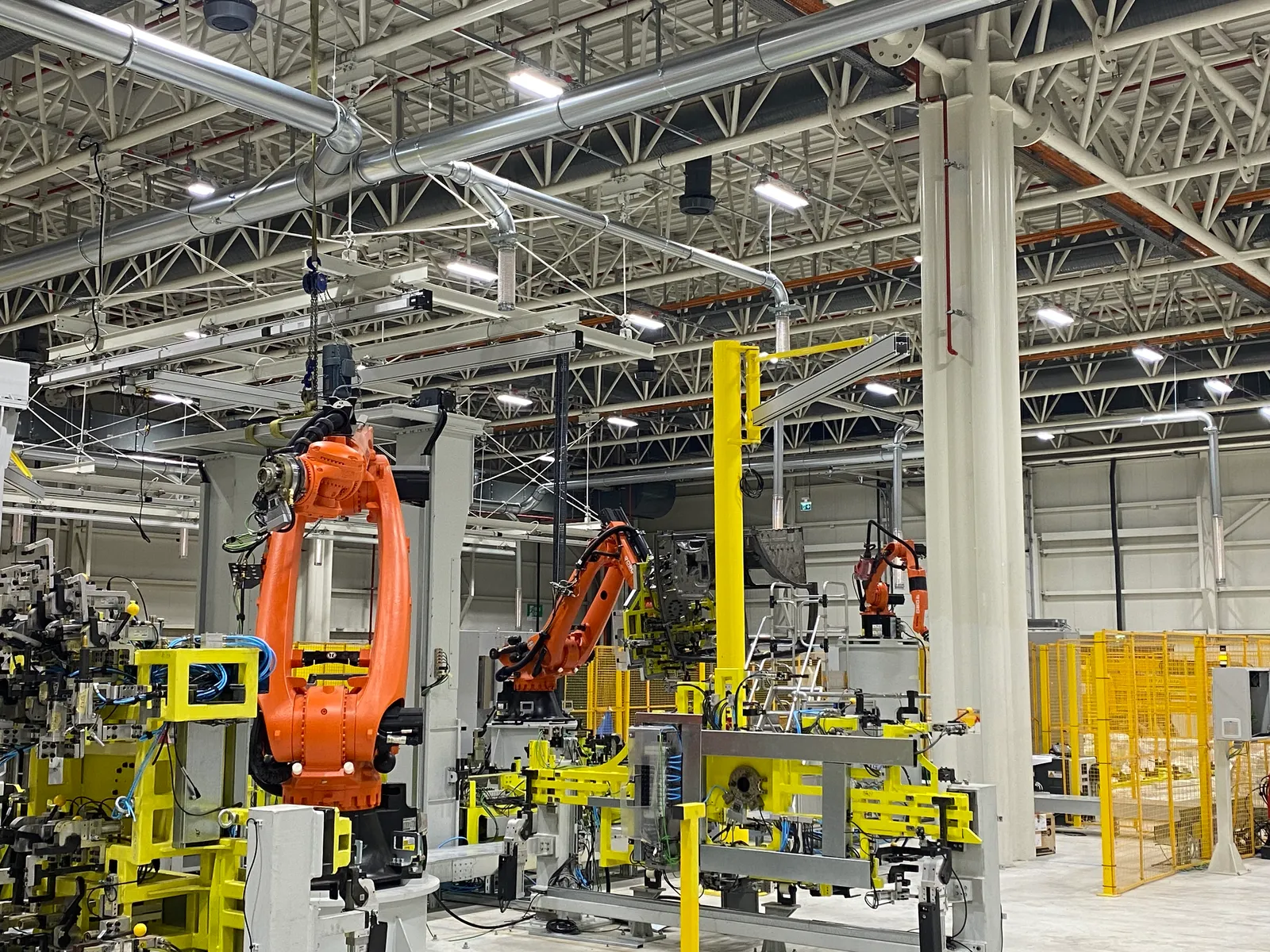
- Robotic welding
- Plasma cutting
Fume Extraction For Your Welding Work
Welding and thermal cutting generate metal particles and gases depending on the alloy, surface coating and process. MIG/MAG, TIG, robotic welding, plasma and laser cutting each require an appropriate extraction approach.
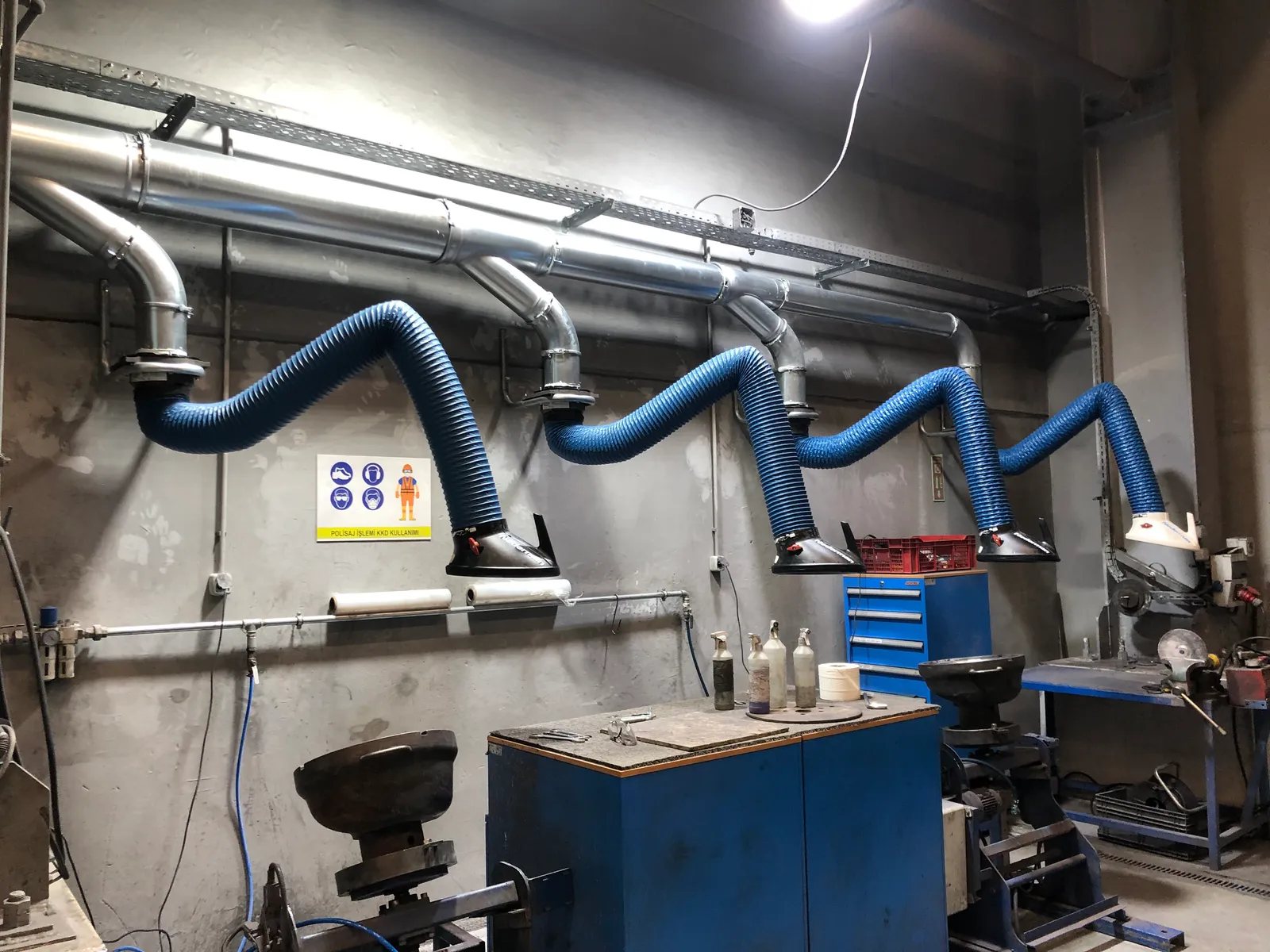
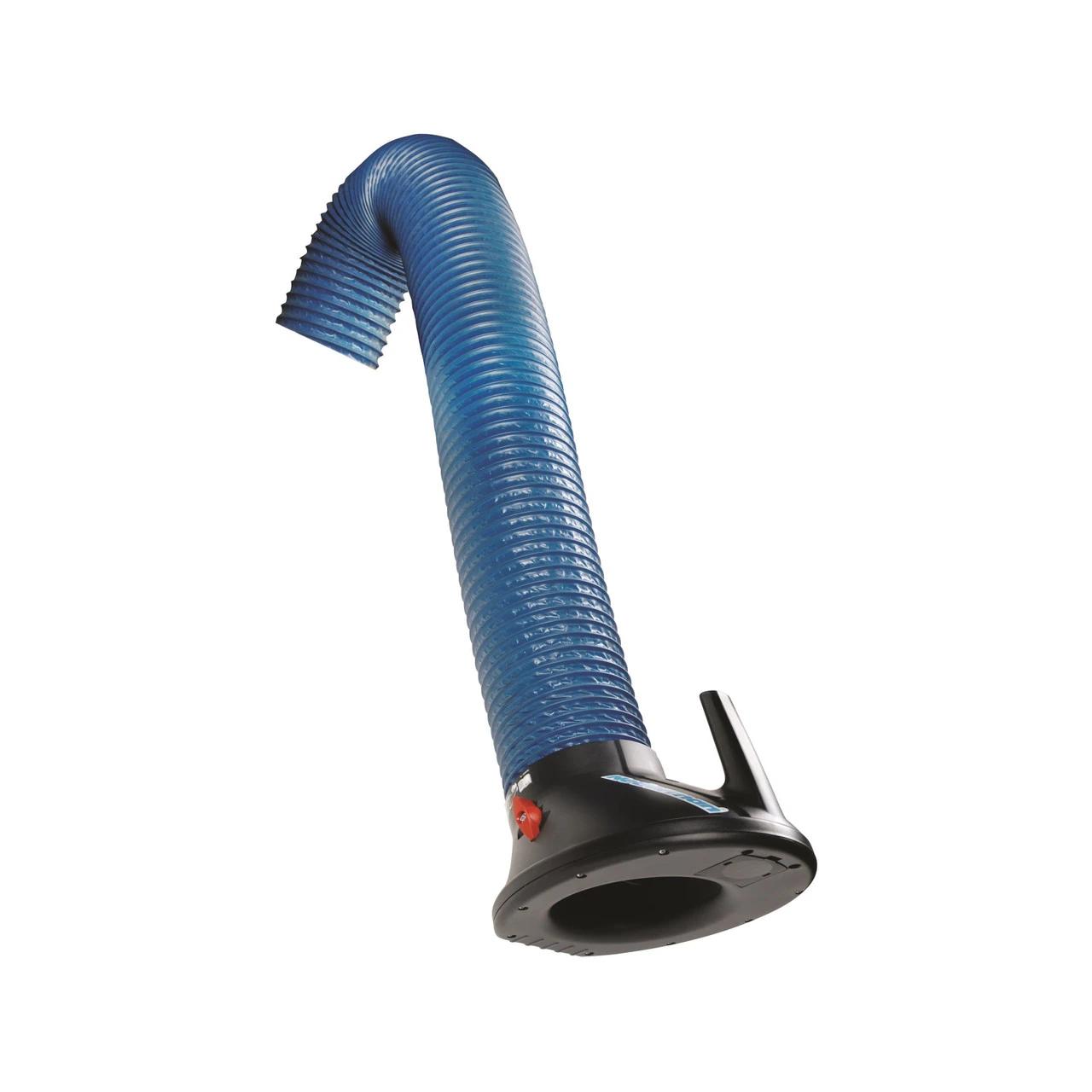
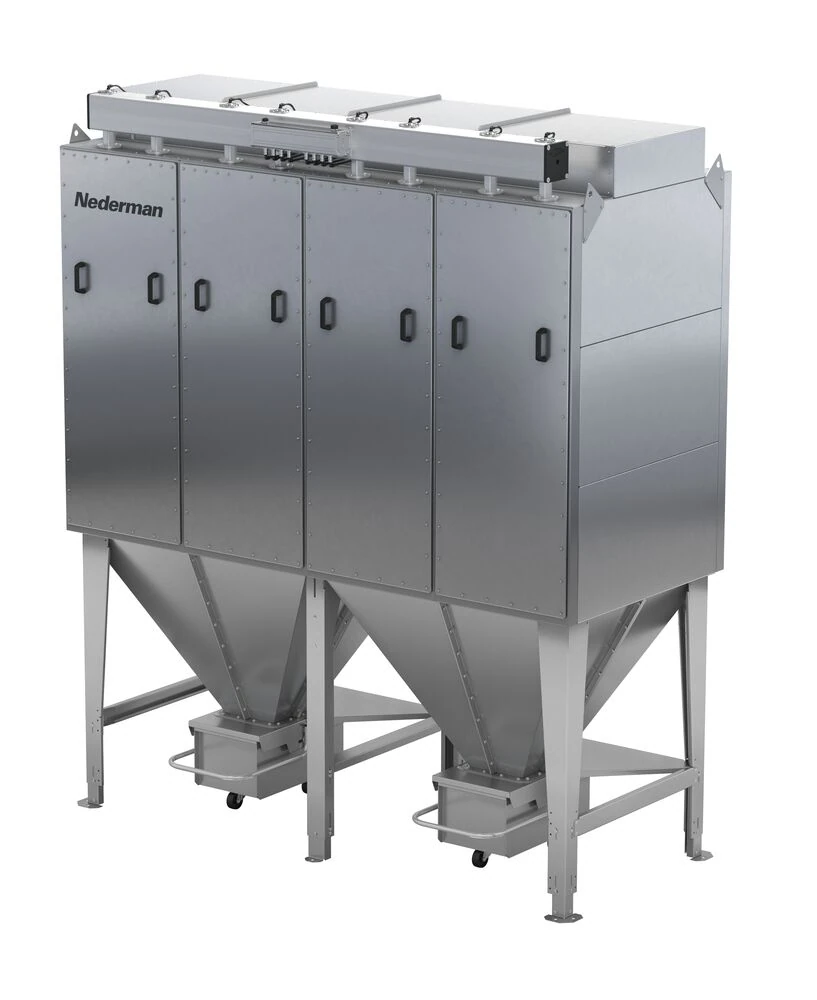
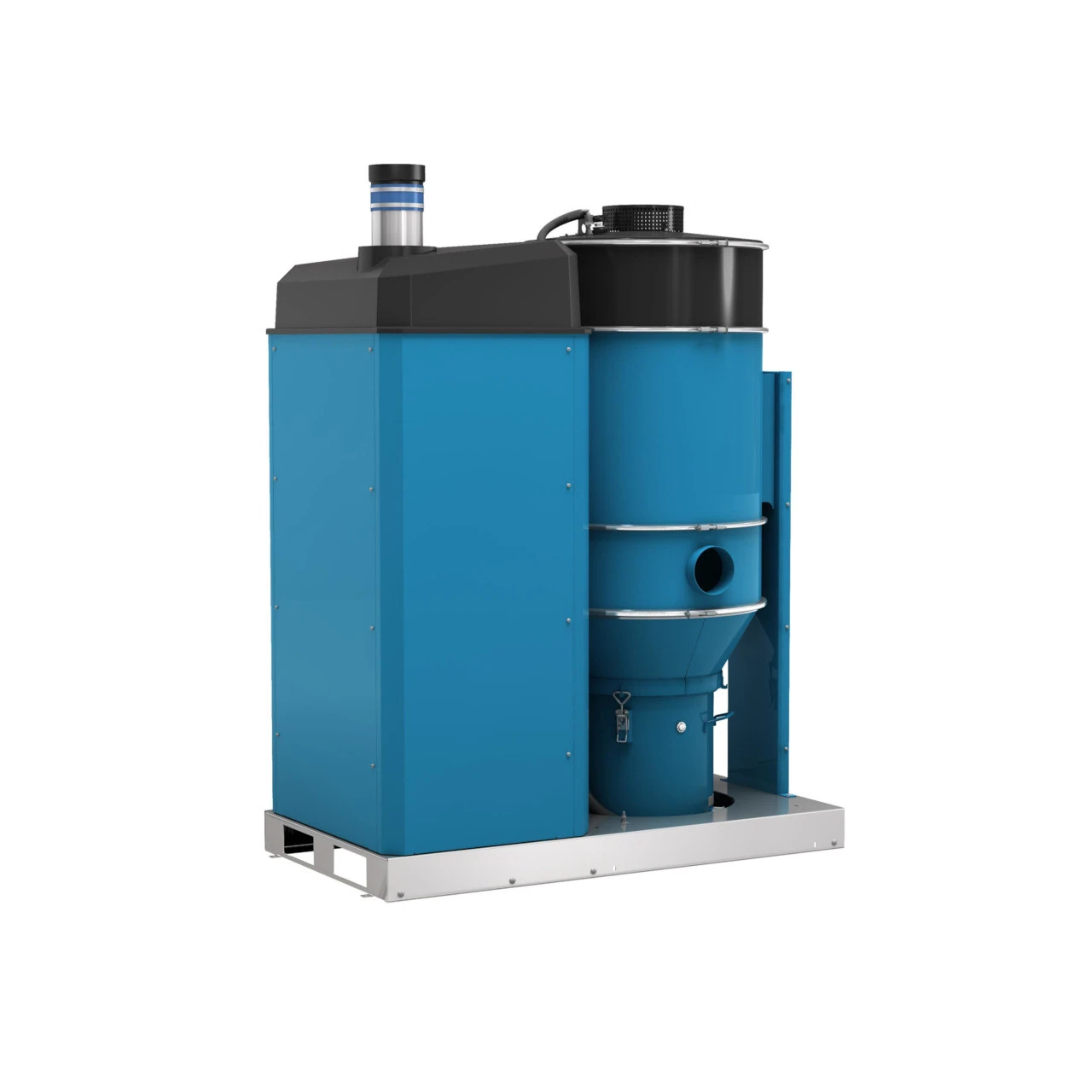
BMT Teknik designs extraction arms, mobile filters, on-torch extraction and central duct systems around your workspace. Appropriate separation and fire-risk controls are included where processes generate sparks.
Process, Contaminant And Extraction Approach
| Process | Contaminant / Need | Approach |
|---|---|---|
| Manual MIG/MAG | Fume at changing work positions | Extraction arm or mobile filter |
| Robotic welding | Continuous fume within the cell | Enclosure and central extraction matched to robot movement |
| Plasma / laser cutting | Dust and sparks | Sectional table extraction and pre-separation |
| Extraction torch | Capture at the torch tip | Compatible torch and high vacuum |
Checking Extraction And Filters
Capturing fumes close to the work requires enough airflow. Suitable systems clean filters automatically with compressed air. Pressure readings across the filter help track how much it has filled.
We review shift length, workpiece size, operator movement and how the robots work. We also consider reducing deposits on sensors, robots and control cabinets.
Robot Cells And Thermal Cutting
Plan robot-cell extraction around movement and loading openings. Sectional extraction may suit plasma and laser tables. Pre-separation, fire precautions and, where required, explosion protection must address sparks and combustible metal dust together; filtration class alone does not resolve these risks.
Why The Extraction Hood Position Matters
As welding fume rises from the work, it needs to enter the extraction hood's capture area. A hood positioned too far away, or a workpiece obstructing the extraction path, can reduce collection. Selection therefore considers the welder's position and the space needed to turn the part. An awkward extraction arm may not stay in the right position throughout the job, even when connected to a suitably sized filter.
Positioning should avoid drawing the fume across the operator's face. Doors, fans and other air movements can also affect capture. Assessment should use the actual workpiece and include different welding positions, checking arm reach and the path followed by the fume.
Changing Jobs And Fixed Workstations
Workshops with frequently changing parts and work locations need room to move. A mobile filter or an extraction arm with suitable reach can be considered for the work area. Fixed connections or a central system may provide a more orderly layout for work carried out repeatedly in one position. Selection depends on operating time and contaminant load as well as mobility.
Where several stations share a system, identify how many extraction points operate simultaneously. Assess duct routing, arm reach and connection needs for each station. Use by different shifts also affects maintenance and operating arrangements. The aim is to fit extraction into production while keeping the hood accessible and the filter serviceable.
Cutting Tables And Robot Cells Need Different Layouts
In robotic welding, the fume generation area changes with robot movement and workpiece handling. The enclosure, openings and maintenance doors form part of the extraction design. When considering an overhead hood or enclosed cell, check whether fume escapes through openings. Changes to the robot programme may require the capture arrangement to be reviewed.
For plasma and laser cutting, collection can be concentrated on the active section of the table. Whether sectional extraction is suitable depends on the table construction and manufacturer's connection requirements. Material type, thickness, coatings and cutting time affect filter loading. Sharing these details during the enquiry helps match pre-separation and filtration to the actual application.
Plan Filter Maintenance Around Production
Filter cleaning methods differ between welding extraction units. In an automatically cleaned system, compressed-air supply and dust-bin emptying are also maintenance tasks. Automatic cleaning does not remove the need to inspect the filter. Changes in airflow and differential pressure should be assessed against the manufacturer's operating requirements.
For a survey or service enquiry, share the welding process, metals being worked, daily operating time and number of simultaneous stations. Photographs of the existing arm and ductwork help explain the layout. Describing the particular operation in which fume escapes helps distinguish a persistent capacity issue from capture problems at a specific working position.
Solutions For This Industry
Related Products
Product catalogue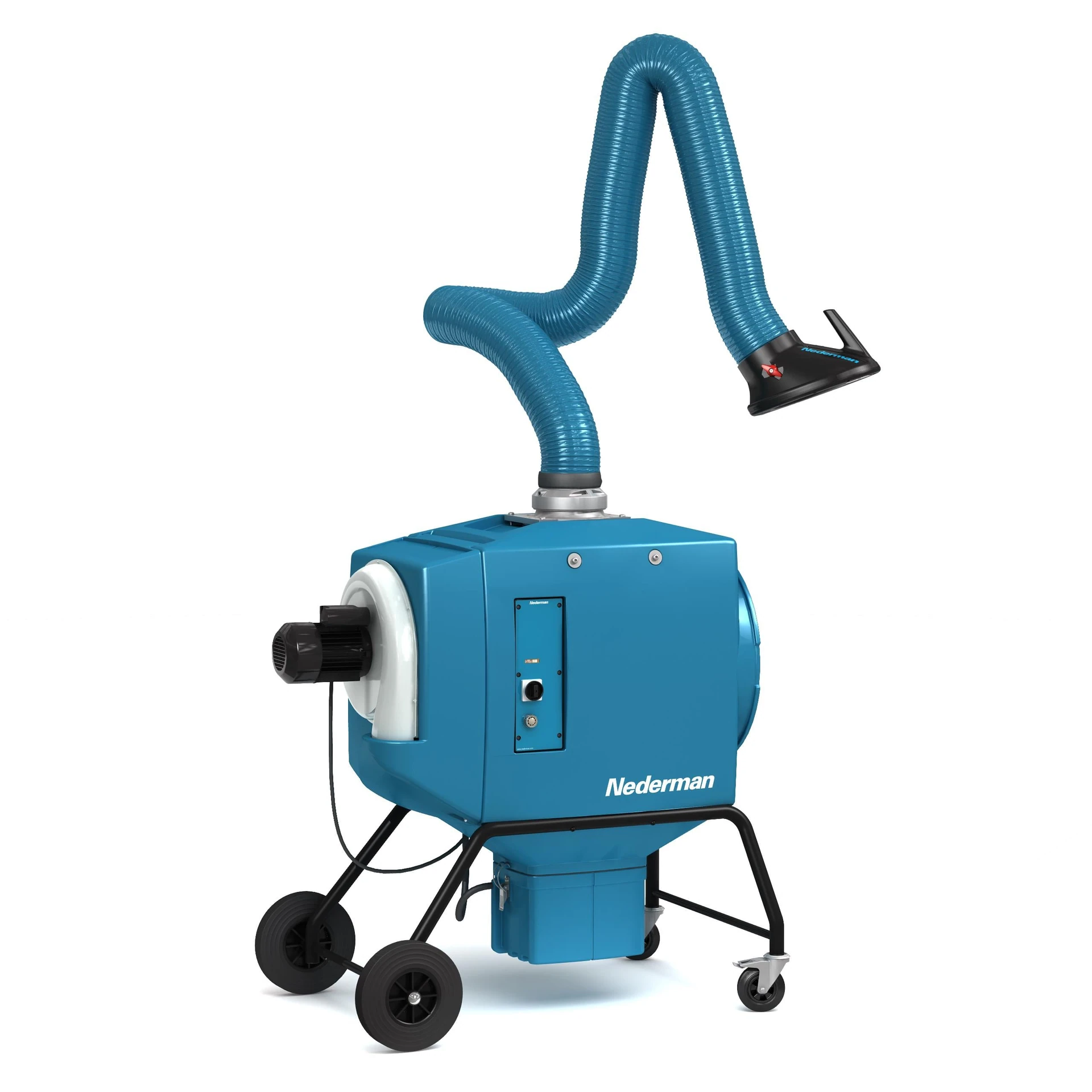
Frequently Asked Questions
Which Filter Should Be Used?
Select media and cleaning methods for the material, welding process, fume loading and equipment certification scope.
Extraction Arm Or On-Torch Extraction?
Arms offer flexible positioning. On-torch extraction requires a compatible torch and appropriate high vacuum.
Can Filtered Air Be Returned Indoors?
The decision requires review of contaminants, filtration performance and workplace risk assessment.
Why Do Sensors And Cameras Become Dirty?
Uncaptured fume can deposit on surfaces. Check capture position and airflow with measurements.
What Information Is Needed For A Quote?
Welding process, material, station count, shifts and layout.
Related Articles
WELDING FUME AND DUSTWelding Fume And Workplace Safety
Welding fume extraction systems, extraction arms and mobile filters: selection, performance checks and maintenance for capture at source.
SELECTION GUIDESMobile Or Fixed Extraction For Welding Fume?
Compare extraction arms, mobile filters, central systems and on-torch extraction for your work.
Let’s Choose A System For Your Business
Let’s discuss what you need. Share your contact details and we can plan a suitable system for your facility.
+90 212 909 52 83