
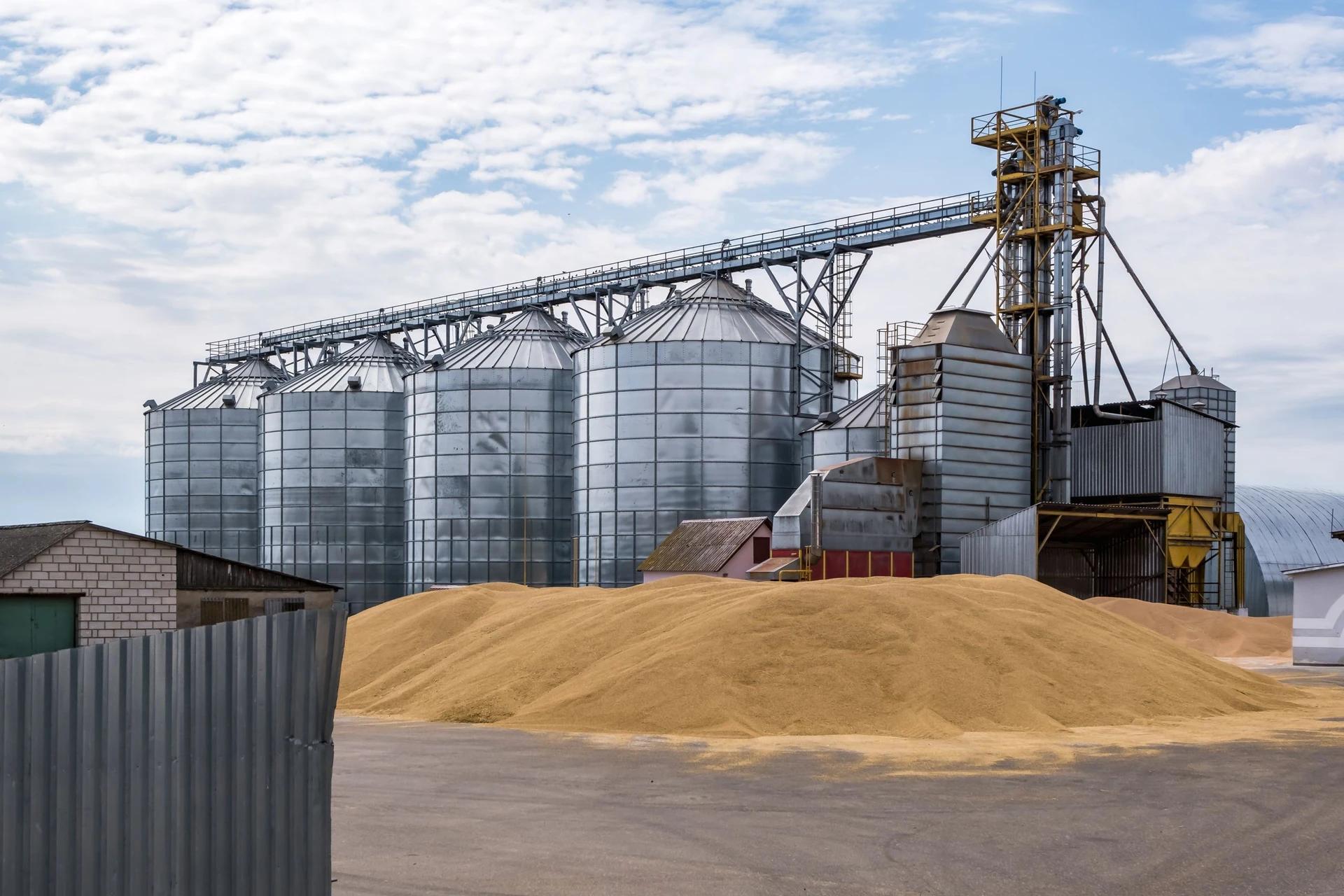
Dust Collection For Agriculture & Grain Processing
Extraction and filtration systems for organic dust control in grain storage and processing facilities.
Applications
- Grain conveying
- Storage
- Dust collection
Control Grain Dust At The Source
Dust released during grain transfer, storage and processing can spread through work areas and settle on equipment. BMT Teknik engineers extraction and filtration solutions for organic dust in grain facilities.
The system is assessed against dust-generation points, material flow and the equipment operating at the same time.
Process, Contaminant And Extraction Approach
| Process | Contaminant / Need | Approach |
|---|---|---|
| Receiving pit | Grain dust during unloading | Capture matched to unloading rate |
| Elevator and transfer | Emissions at transfer points | Enclosed connections and extraction |
| Screening / milling | Fine organic dust | Filtration and explosion assessment |
| Silo filling | Displaced air | Filling airflow and filter capacity |
Designing For The Facility
- Capturing dust released during material transfer and processing.
- Duct routes and central-filter positioning suited to the existing layout.
- Planning collected-dust discharge and access for cleaning.
- Equipment selection based on organic-dust combustibility and the facility’s risk assessment.
Dust Collection And Safety
Filters, ductwork, grounding and required explosion-protection measures are assessed as a complete system. An ATEX marking on one product does not by itself establish suitability for an entire facility or another application.
The maintenance plan covers filter loading, extraction points, duct deposits and discharge mechanisms together.
Seasonal Loads And Grain Dust Management
Harvest peaks, product moisture and outdoor conditions affect airflow and filtration needs. Assess silo, elevator and filter connections together for explosion risks. One ATEX-marked product does not establish suitability of the entire line. Returning collected dust to the product stream depends on hygiene, foreign-material and quality requirements.
Dust Points From Receiving To Storage
Receiving grain, transferring it between conveyors and discharging it into storage can each create separate dust sources. Mapping these points along the product flow helps define the extraction scope. Assessment considers discharge methods, material drop and equipment openings, rather than only the visible cloud. Frequently used access routes also influence placement.
A receiving pit, elevator connection and cleaning machine may need different extraction arrangements. Enclosures, access covers and duct connections are assessed against the operating sequence. Collection should fit the grain flow without obstructing it. Vehicle unloading and internal transport schedules help establish which extraction points need to operate together.
Account For The Harvest-Season Workload
Grain facilities may not operate at the same intensity throughout the year. Longer operating hours and more frequent transfers during harvest can increase daily dust loading. Capacity assessment should include the busiest operating period rather than only an annual average. Simultaneous lines and intervals between unloading operations help explain the extraction demand.
Crop type, moisture and foreign material can affect the collected material's behaviour. Filtration and discharge are reviewed with these variables in mind. Checking connections, filters and collection vessels before the season helps prepare maintenance. Records of earlier blockages or overflows identify locations that need closer attention before intensive operation resumes.
Emptying Collectors And Cleaning The Facility
Regularly removing dust from the collector is part of everyday operation. Establish how often bags or containers need changing and where full ones will go. The discharge location should fit vehicle and pedestrian routes. Integrating waste collection into the production layout reduces reliance on temporary arrangements during maintenance.
Collected material is not always suitable for return to the grain stream. Foreign material, mixed products and quality requirements need assessment. Cleaning settled dust around the equipment is a separate task from process extraction. Include difficult-to-reach surfaces and areas beneath machinery. Methods should suit the material and the facility's safety assessment.
Adding Extraction To An Existing Grain Facility
In an existing facility, duct routes are planned around silos, elevators and conveyors. New connections should preserve maintenance openings, walkways and vehicle access. The way equipment is interconnected is also relevant to the site's risk assessment. A change at one extraction point can affect operating conditions elsewhere in the connected system.
For an initial assessment, share crop types, peak-season throughput, operating hours and a simple process flow diagram. Photographs showing where dust is most noticeable are useful. Include the equipment label and maintenance records for any existing filter. This supports a comparison between installing a new system and improving the current arrangement.
Solutions For This Industry
Grain Transfer-Point Extraction
Product, peak throughput, emission points, layout and existing risk documentation. Local capture and central filtration are planned around these inputs.
On-Tool Extraction And Plant Cleaning
Extraction at the workstation or enclosed collection of deposited dust using material-compatible equipment.
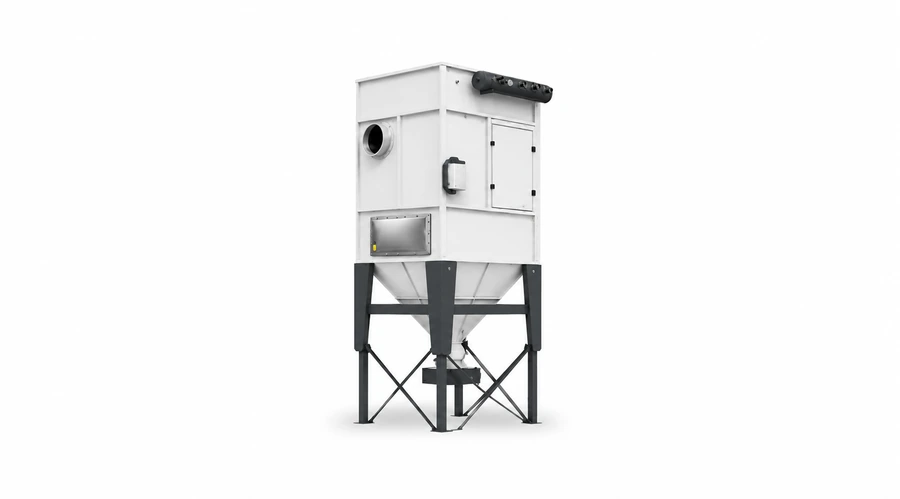
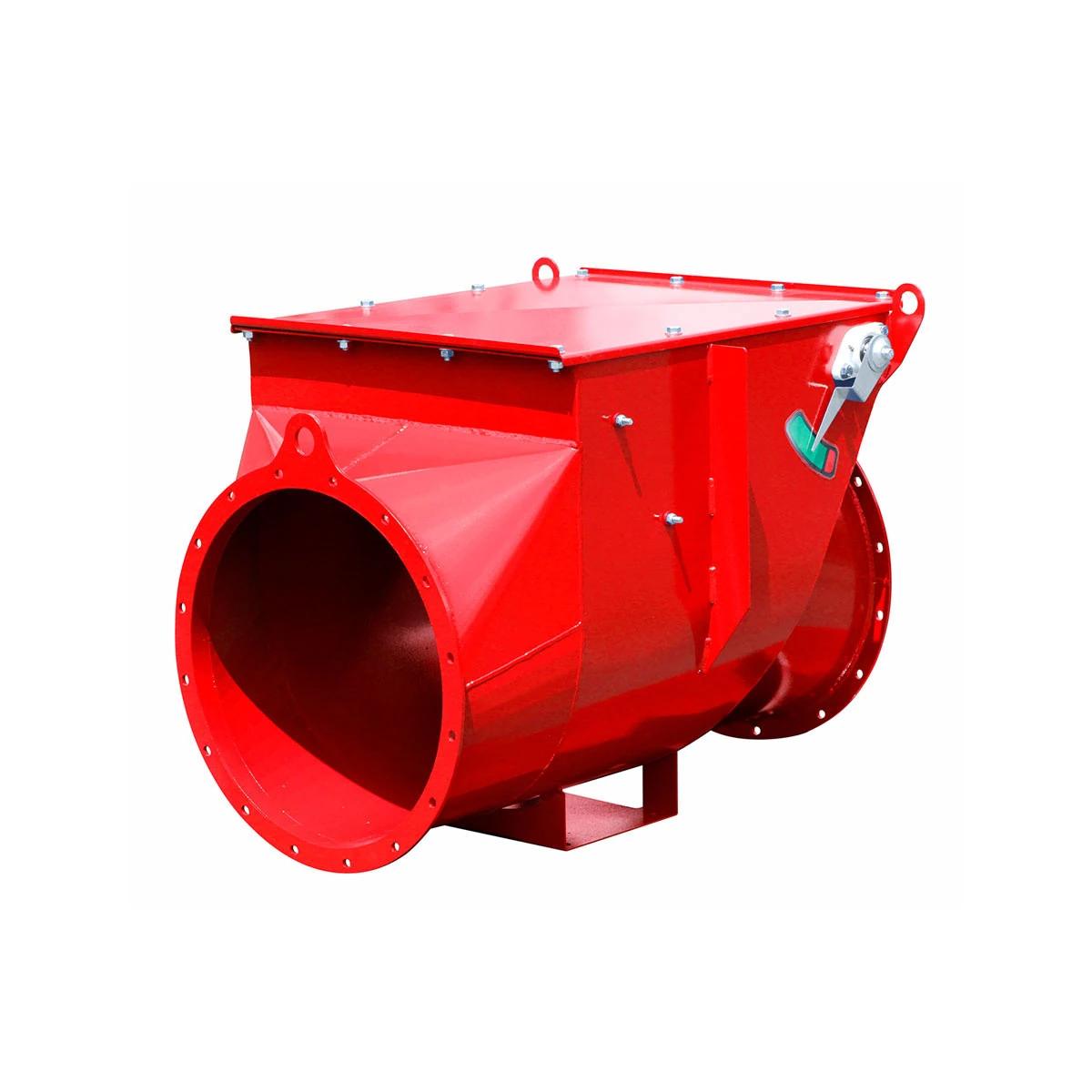
Related Products
Product catalogue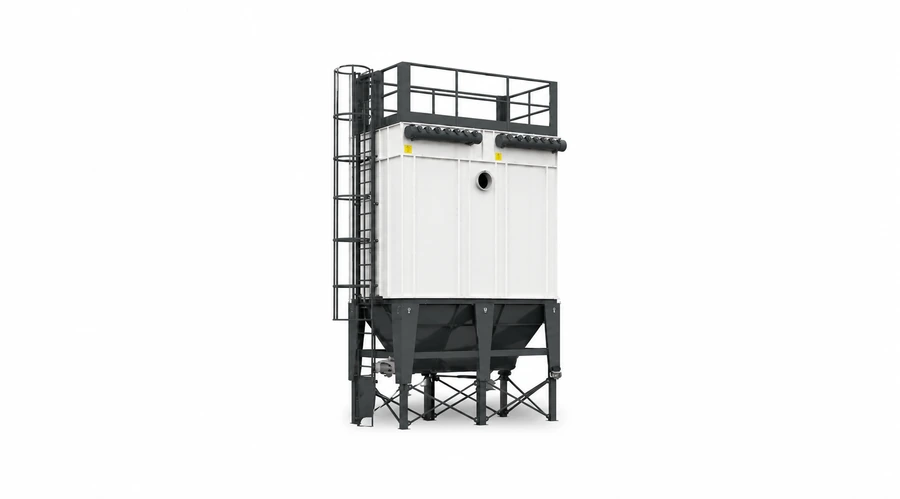
Frequently Asked Questions
Why Is Grain Dust A Risk?
Fine organic dust dispersed in air with an ignition source can cause fire or explosion.
How Can Dust At Receiving Pits Be Reduced?
Design enclosure and extraction around openings, unloading rate and capture points.
Can Collected Dust Return To The Product?
Do not return dust without verifying foreign-material, hygiene and quality requirements.
What Information Is Needed For A Quote?
Product, peak throughput, emission points, layout and existing risk documentation.
Related Articles

Let’s Choose A System For Your Business
Let’s discuss what you need. Share your contact details and we can plan a suitable system for your facility.
+90 212 909 52 83