ATEX Explosion Isolation Systems
Equipment that limits the spread of an explosion through filtration lines handling combustible dust. Selection is based on the facility’s risk assessment and working conditions.
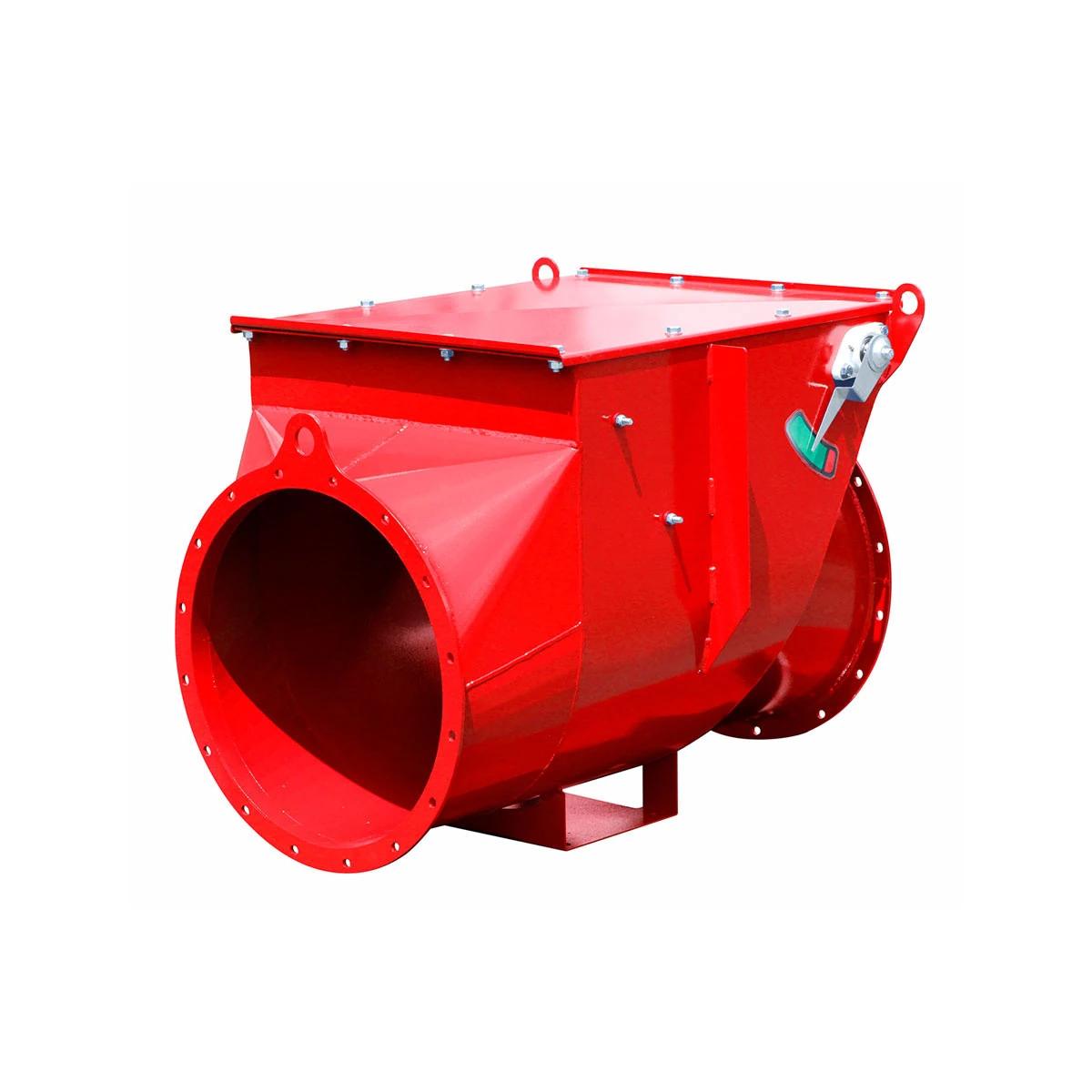
Selecting An Explosion Isolation Valve
Explosion isolation equipment is selected with the facility’s risk assessment.
For the initial review, we bring together the existing system layout, equipment nameplates and the technical documents used at your facility. Connection and layout requirements are checked against the proposed model’s documentation.
- Dust characteristics and the existing risk assessment
- Filter system, pipe diameters and line layout
- The manufacturer’s application conditions for the model
Before You Choose
What Information Is Needed To Select An Isolation Valve?
Dust characteristics, the existing risk assessment, filter system and pipe layout are needed. Suitability is checked against the manufacturer’s conditions of use for the specific model.
Can I Choose A Valve By Pipe Diameter Alone?
Pipe diameter is only one selection factor. Line layout, system characteristics and the model’s application conditions must be assessed together. Share your existing system details for a technical review.
What Should I Share When Requesting A Replacement Valve?
Send the existing valve’s make, model, serial number and a nameplate photo. Connection dimensions, its position in the line and any system changes are also included in the model comparison.
Which Documents Should I Prepare For A Technical Review?
Share the existing risk assessment, material information, filter and fan documentation, and the pipe layout. Missing information is identified so that any further documents needed for the review can be requested.
How Do I Request Maintenance Or Spare Parts?
Send the equipment nameplate, any part code and your request to our technical team. Parts compatibility and maintenance scope are reviewed against the manufacturer’s documentation for that model.