
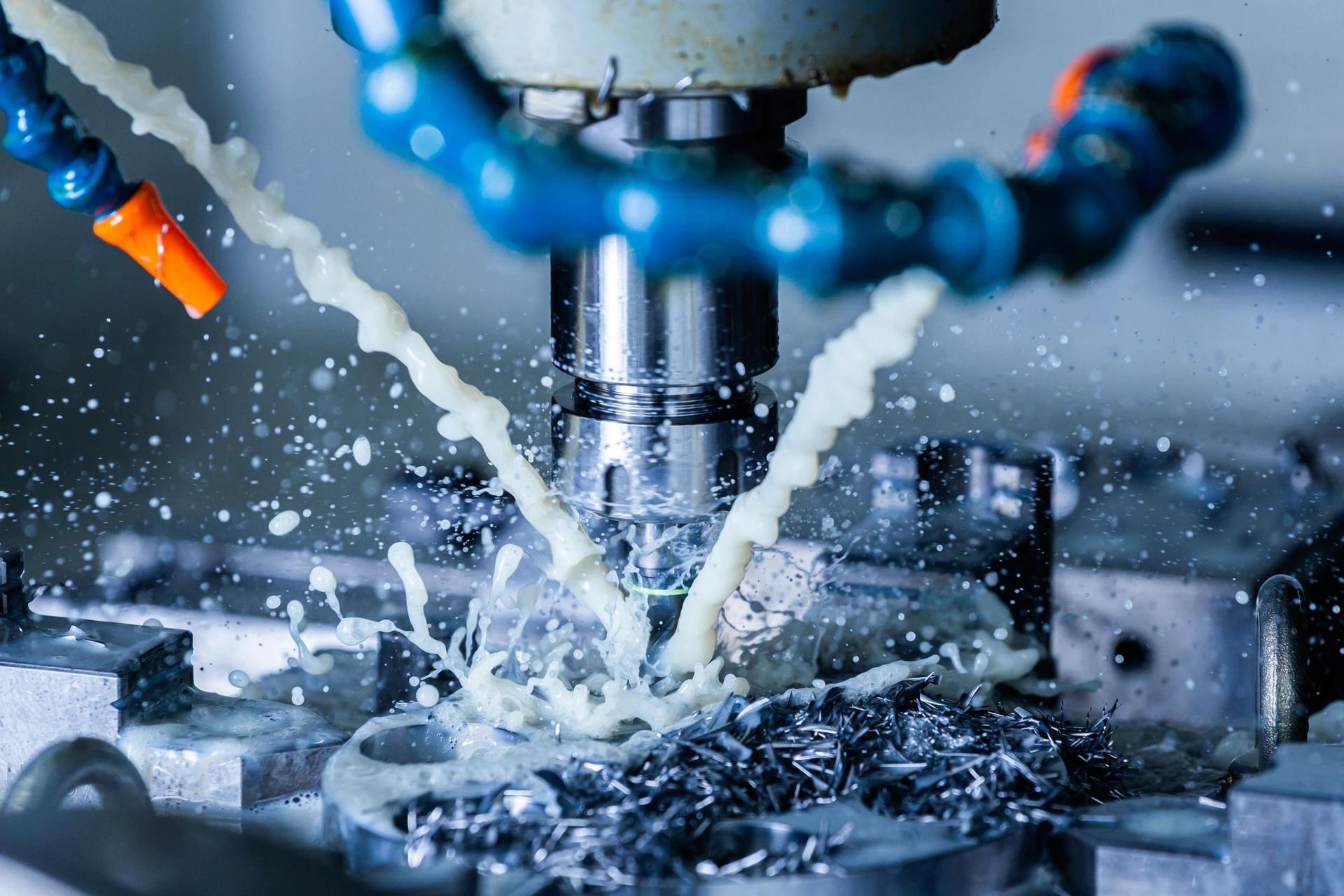
Oil Mist & Dust Filtration For Metalworking
Oil mist and smoke filtration for CNC turning, milling and grinding.
Applications
- CNC turning
- Milling
- Wet grinding
Choosing Filters For Metalworking
Turning, milling and grinding machines may need different filters. We review machine speed, coolant pressure, fluid type, enclosure volume and operating hours.
We assess oil mist and smoke at your facility to determine the airflow and filters needed. As an independent company, we install Nederman equipment and other suitable systems.
Turning
Rotating parts and cutting tools break coolant into small droplets. Heat from cutting can also produce finer oil smoke. Machine size alone is therefore not enough to choose a filter.
Extracting air from the machine enclosure helps reduce deposits on electronics and sensors and limits mist spreading into the workshop. We plan both filtration and drainage for the collected fluid.

Grinding
Grinding can carry metal dust and oil mist in the same airflow. The mixture generated by wet grinding can challenge filtration; dry grinding requires separate assessment of dust properties and combustibility.
Application-specific spark separation and staged filtration address solid particles and oil load separately. Surface finish, filter maintenance and fire risk are considered in the system design.
Milling
High-pressure coolant hitting a rotating milling tool can create a dense mist. Droplets escaping the enclosure can contaminate electronics, sensors and nearby surfaces.
Air is drawn from the enclosure through several filter stages. Separated fluid goes to a suitable collection line. We consider visibility inside the enclosure, maintenance needs and keeping production running.
Central Extraction For Multiple Machines
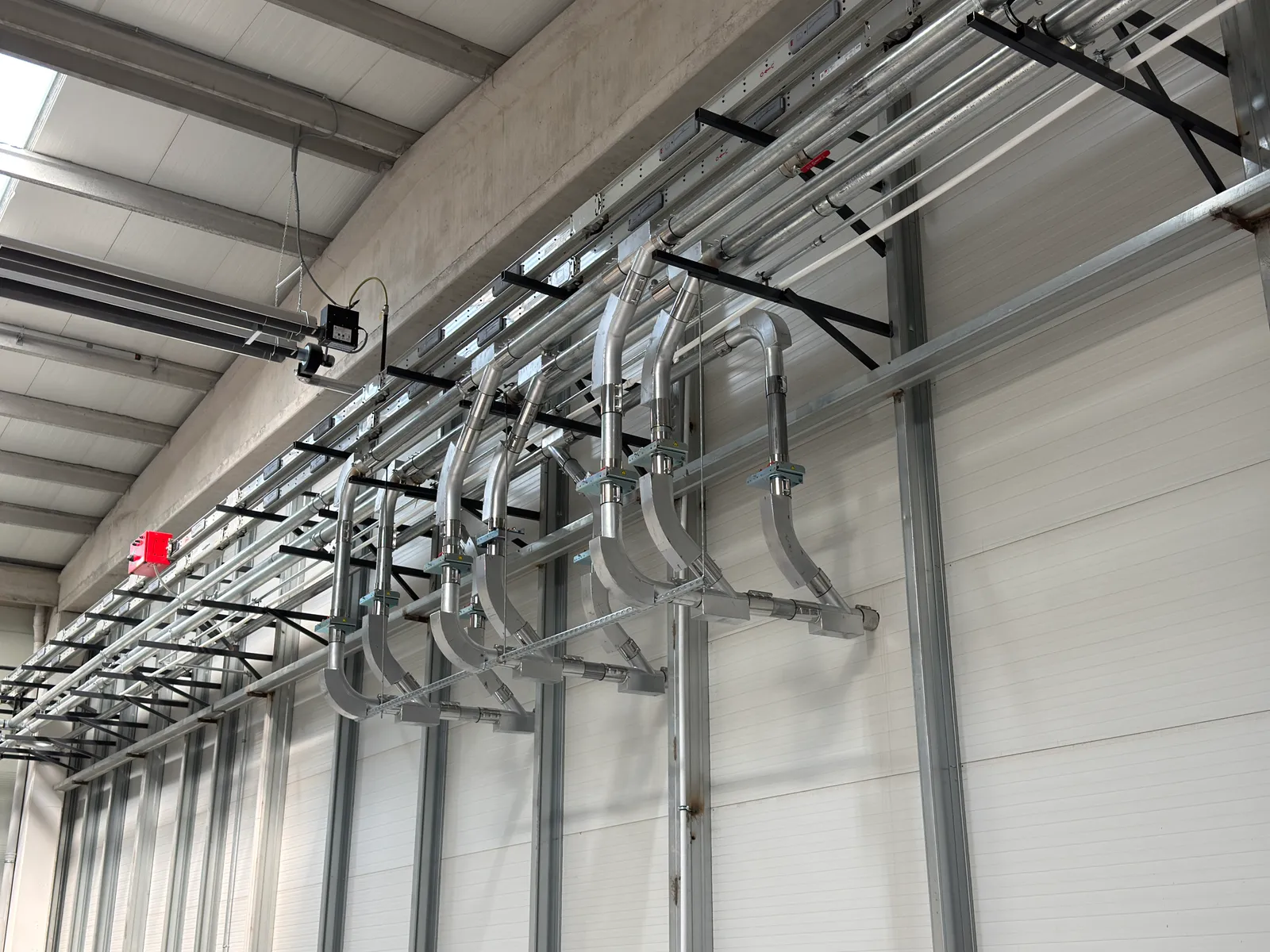
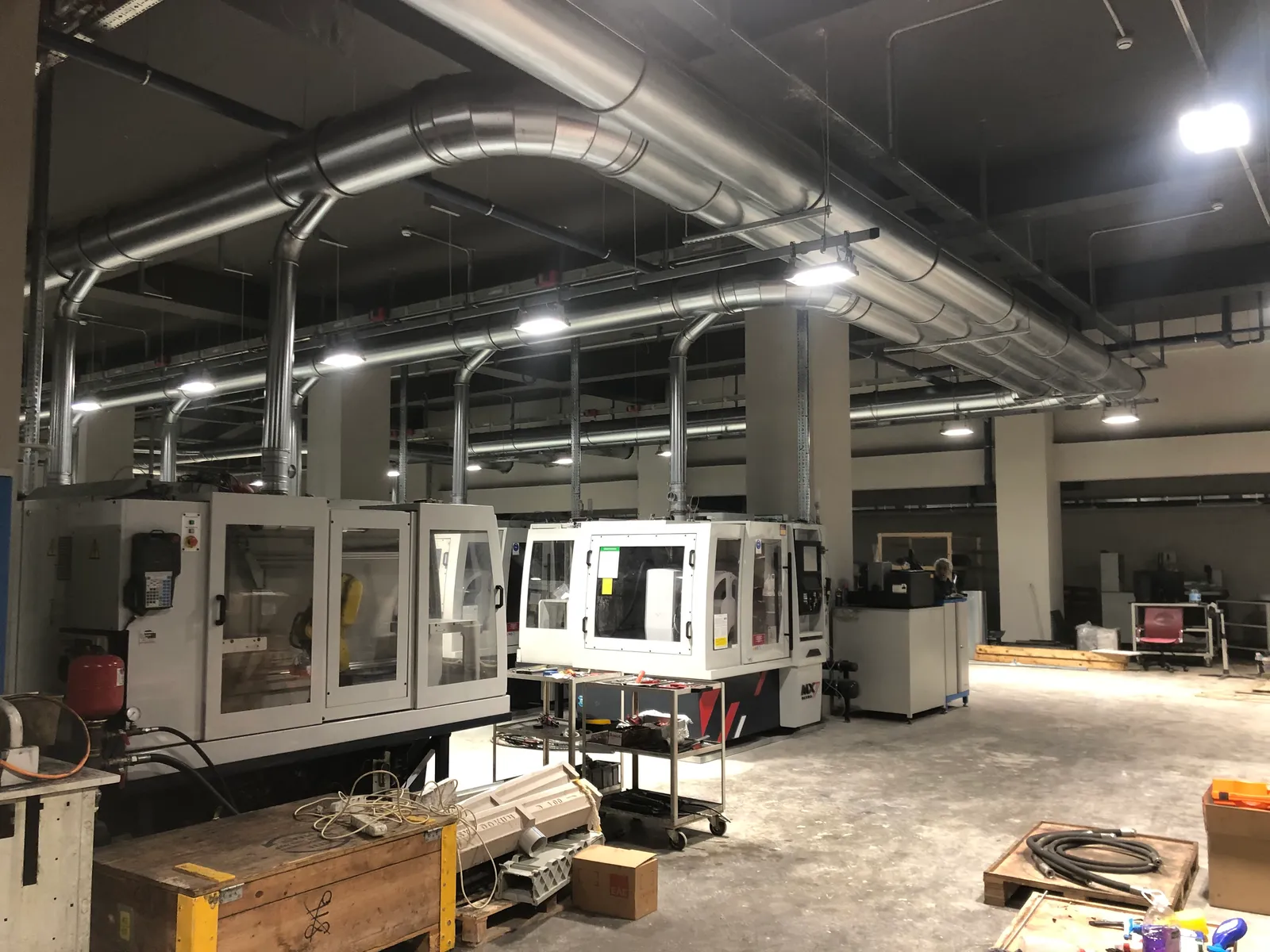
Heavy chips, fine airborne droplets and smoke need different separation methods. We choose individual units or a central system based on machine count, simultaneous use and duct pressure loss.
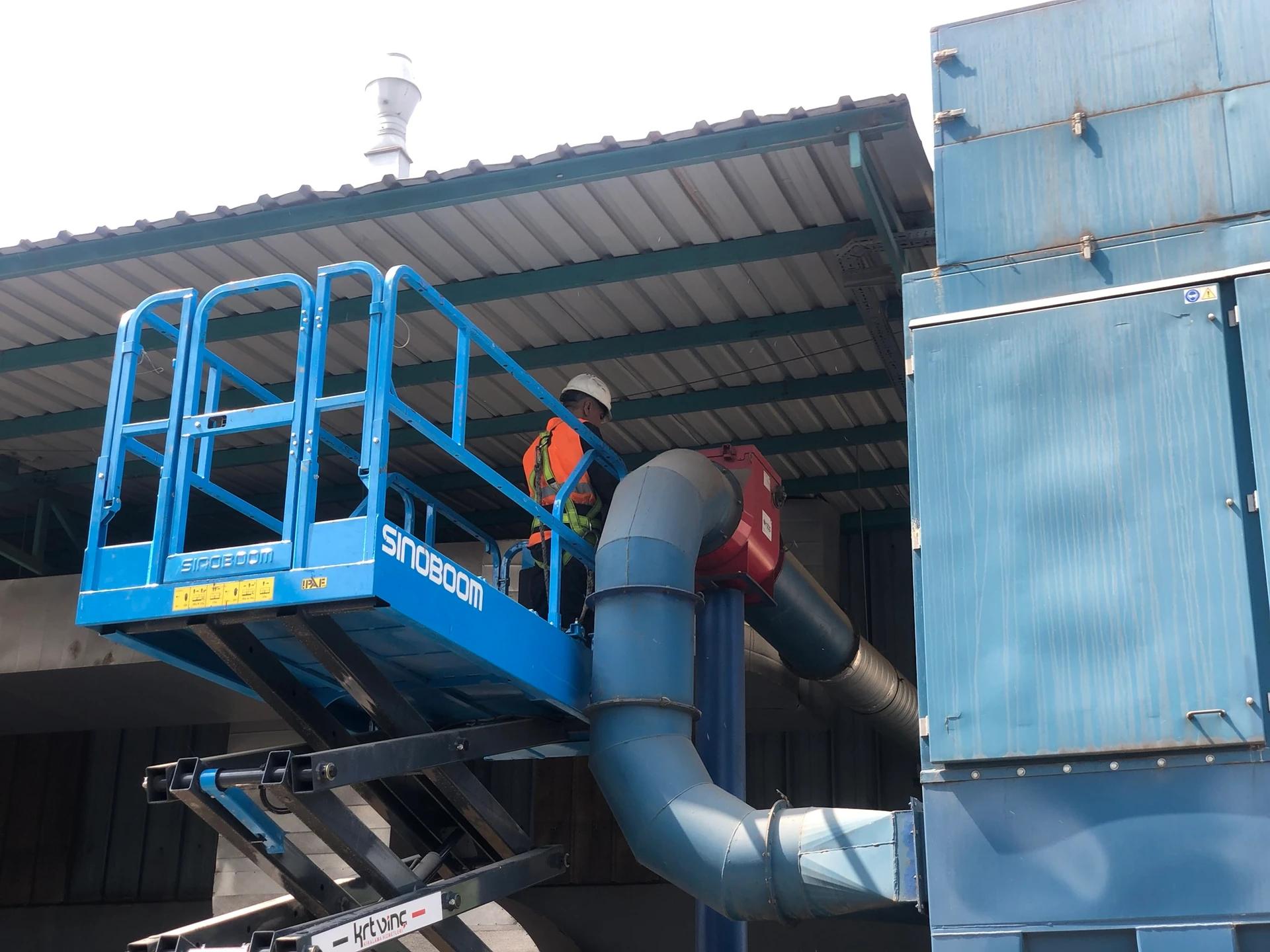
Oil droplets combine in the filter and drain into a collection tank. We monitor system efficiency, resistance to airflow through the filter and energy consumption.
Why Does Mist Escape When The Machine Door Opens?
Mist can remain inside the enclosure after machining stops. Opening the door can release that air into the workshop. Assessing extraction therefore involves more than observing the cutting operation. Loading, the machining cycle and door opening all matter. Enclosure openings and the position of the extraction connection influence the path taken by contaminated air.
The connection should collect air from the enclosure without drawing unnecessary chips or coolant into the duct. The machine manufacturer's connection recommendations and enclosure design provide the starting point. Any clearance time before opening the door should be assessed under the machine's actual operating conditions, rather than set from a general assumption.
Expanding From One Machine To A Production Line
A filter serving one machine can operate independently to suit that machine's schedule. A central system combines several machines through shared ductwork and filtration. The total machine count is only part of the picture: the design also needs to establish which machines run together and the airflow required at each connection.
Adding a machine to an existing duct can change the balance of the system. Future expansion should therefore be discussed when selecting the filter and fan. Ceiling height, maintenance routes, crane travel and movement through the production area affect the layout. The project should show machine connections, filter location and oil drainage routes together.
Planning The Return Of Collected Fluid
Regular drainage of separated fluid matters as much as extraction. The direction of the drain connection, collection vessel location and access for maintenance are considered during installation. If the destination of the collected liquid is left unresolved, overflow and cleaning problems can develop around the filter. The return line must follow the selected unit's connection requirements.
Collected fluid is not automatically suitable for direct return to a machine. Mixing different oils or introducing grinding dust and other contaminants can affect reuse. The decision depends on coolant properties and the facility's quality requirements. Unsuitable mixtures need separate collection and appropriate waste handling.
Use Operating Observations To Support Maintenance Decisions
Recording the initial operating condition provides a useful maintenance reference. Later checks can compare airflow, pressure difference across the filter and fluid drainage with those records. Mist escaping from the enclosure does not automatically mean the filter is full: damaged hoses, blocked ducts or drainage problems also need investigation. Considering these possibilities helps identify the cause.
Before discussing maintenance, prepare photographs of the equipment label, filtration stages and machine connection. Include the fluid used, shift pattern and when the problem began. This makes it possible to assess the extraction system as a whole, rather than treating every issue as a request for a new filter. Cleaning and replacement follow the equipment's maintenance instructions.
Solutions For This Industry
Oil Mist Filtration
Machine-mounted and central filters that capture oil mist at CNC machines.
Oil Smoke Collection
Single-machine and central filtration systems for oil smoke from machines using neat cutting oil.
Dust And Fume Extraction
Machine model, fluid, shifts, layout and photographs. Local capture and central filtration are planned around these inputs.
On-Tool Extraction And Plant Cleaning
Extraction at the workstation or enclosed collection of deposited dust using material-compatible equipment.
Vacuum Chip Conveying
Central vacuum systems that move metal chips from machines to collection points through enclosed pipes.
Chip Processing & Recovery
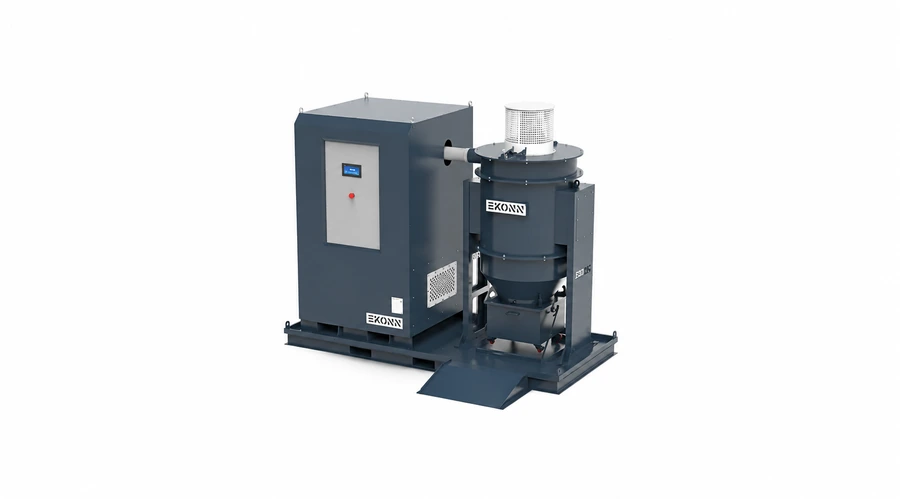
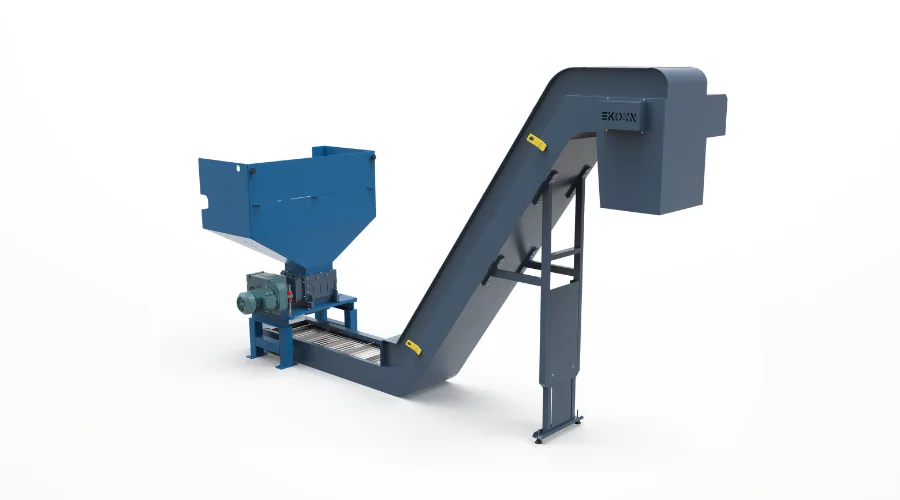
Crushers, centrifuges and handling equipment to reduce chip size, separate cutting fluids and prepare material for recovery.
Related Products
Product catalogue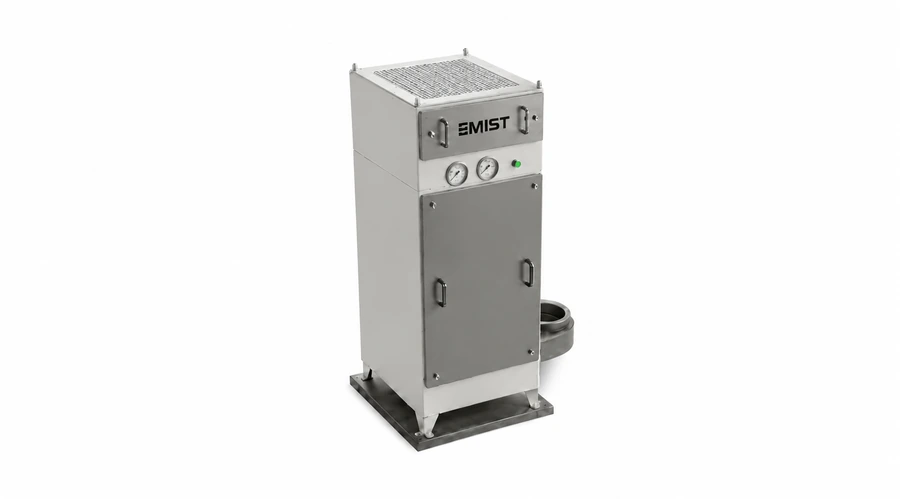
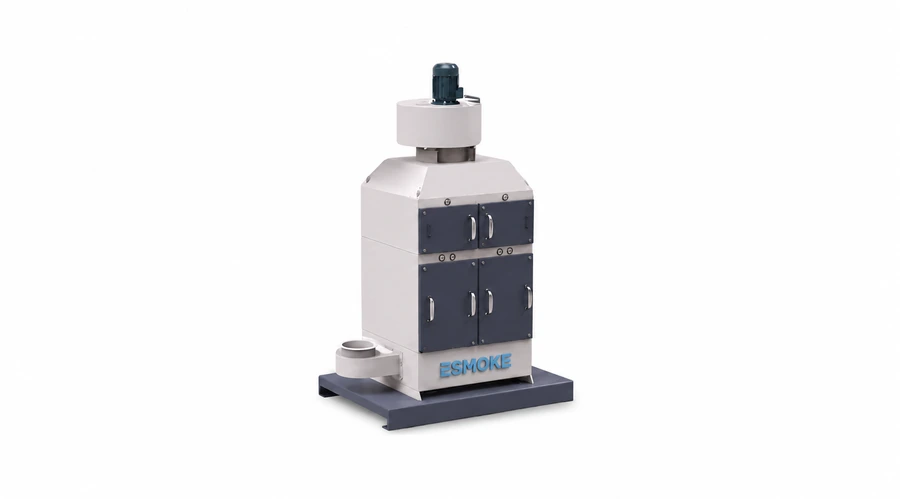
Our Field Installations
All projects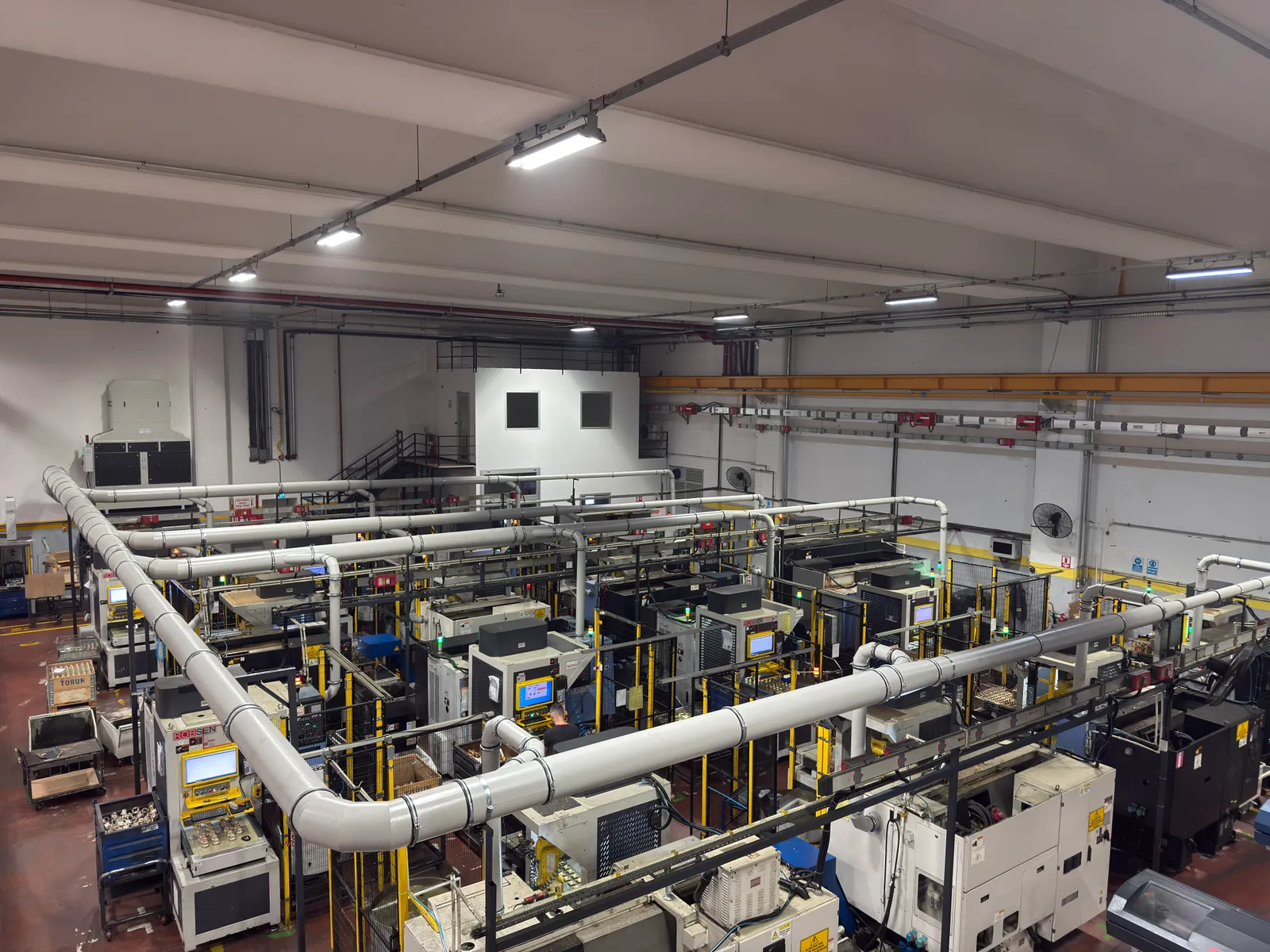
Central Oil Mist Extraction For A CNC Production Line
A central system connecting CNC machines to shared extraction ductwork. Explore the production hall, machine connections and filter unit layout.
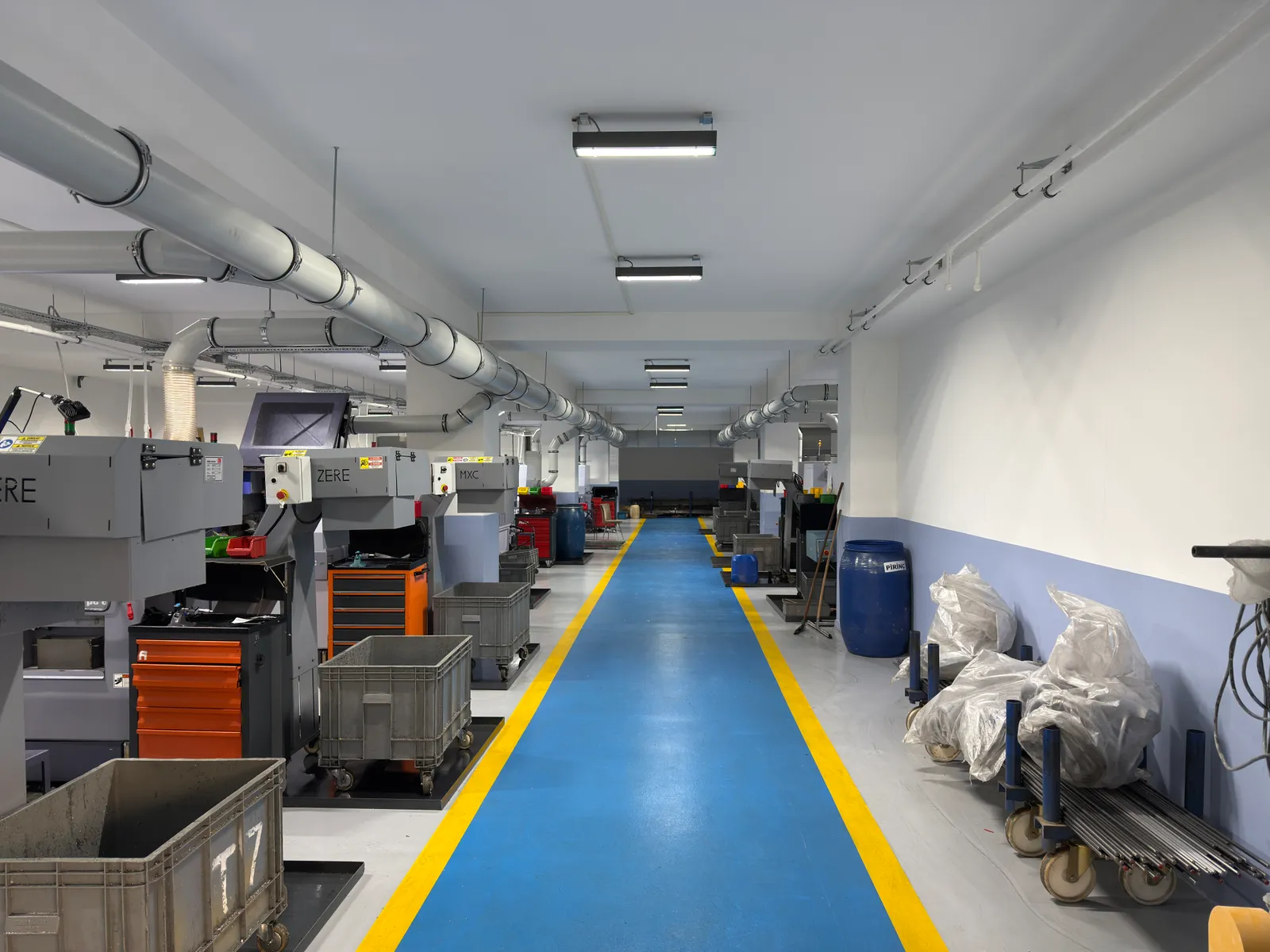
Oil Smoke Extraction For Sliding-Head Lathes
Extraction from lathe rows into shared ductwork and a central filter assembly beside the production hall.
Frequently Asked Questions
Individual Or Central Filtration?
Assess machine count, simultaneous operation, duct distance and maintenance access together.
Can Emulsion And Neat Oil Use The Same Filter?
Aerosol size and loading may differ. Select filtration stages for the fluid and process conditions.
How Are Metal Chips Managed?
Depending on chip shape and liquid content, crushing, centrifuging and enclosed conveying can be assessed separately or together.
What Information Is Needed For A Quote?
Machine model, fluid, shifts, layout and photographs.
Related Articles
 OIL MIST AND OIL SMOKE
How To Control Oil Smoke In Sliding-Head Lathes
Neat cutting oil, high spindle speeds and long shifts: assess the source, extraction layout and filtration together.
VACUUM AND CENTRAL SYSTEMSWhen Does Vacuum Chip Conveying Make Sense?
Compare bins, mechanical conveyors and vacuum lines for metal chips, including chip shape, liquid load and factory layout.
 MAINTENANCE AND REPLACEMENT FILTERS
When Should An Oil Mist Filter Be Replaced?
Plan pre-filter, main-filter and final-stage maintenance using differential pressure, capture performance and drainage together.
Let’s Choose A System For Your Business
Let’s discuss what you need. Share your contact details and we can plan a suitable system for your facility.
+90 212 909 52 83