
Dust Collection And Fume Extraction Systems
Extraction arms, mobile filters and central systems capture dust and fumes from welding, cutting and finishing. We design a coordinated system from the capture point to the air discharge.
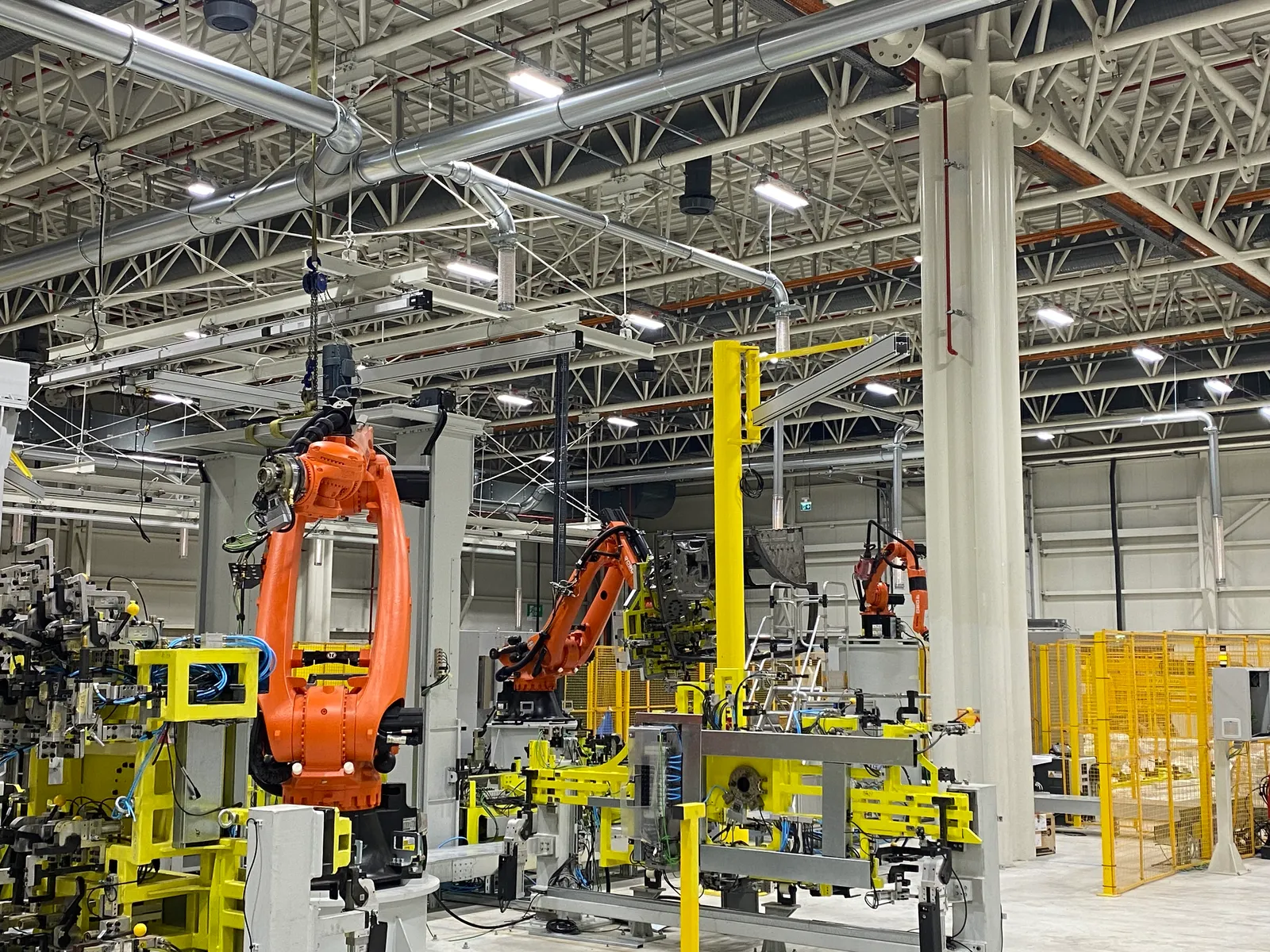
How Does Contaminated Air Reach The Filter?
Source Capture
An extraction arm, hood, table or on-tool connection is selected for the task.
Ductwork
Airflow and conveying conditions are assessed alongside connection points and duct losses.
Particle Separation
Filter media is chosen for the dust characteristics. Suitable models use compressed-air filter cleaning.
Collection And Discharge
Separated dust collects in an enclosed container. The fan, emptying arrangement and air discharge are planned together.
System Selection For Your Working Pattern
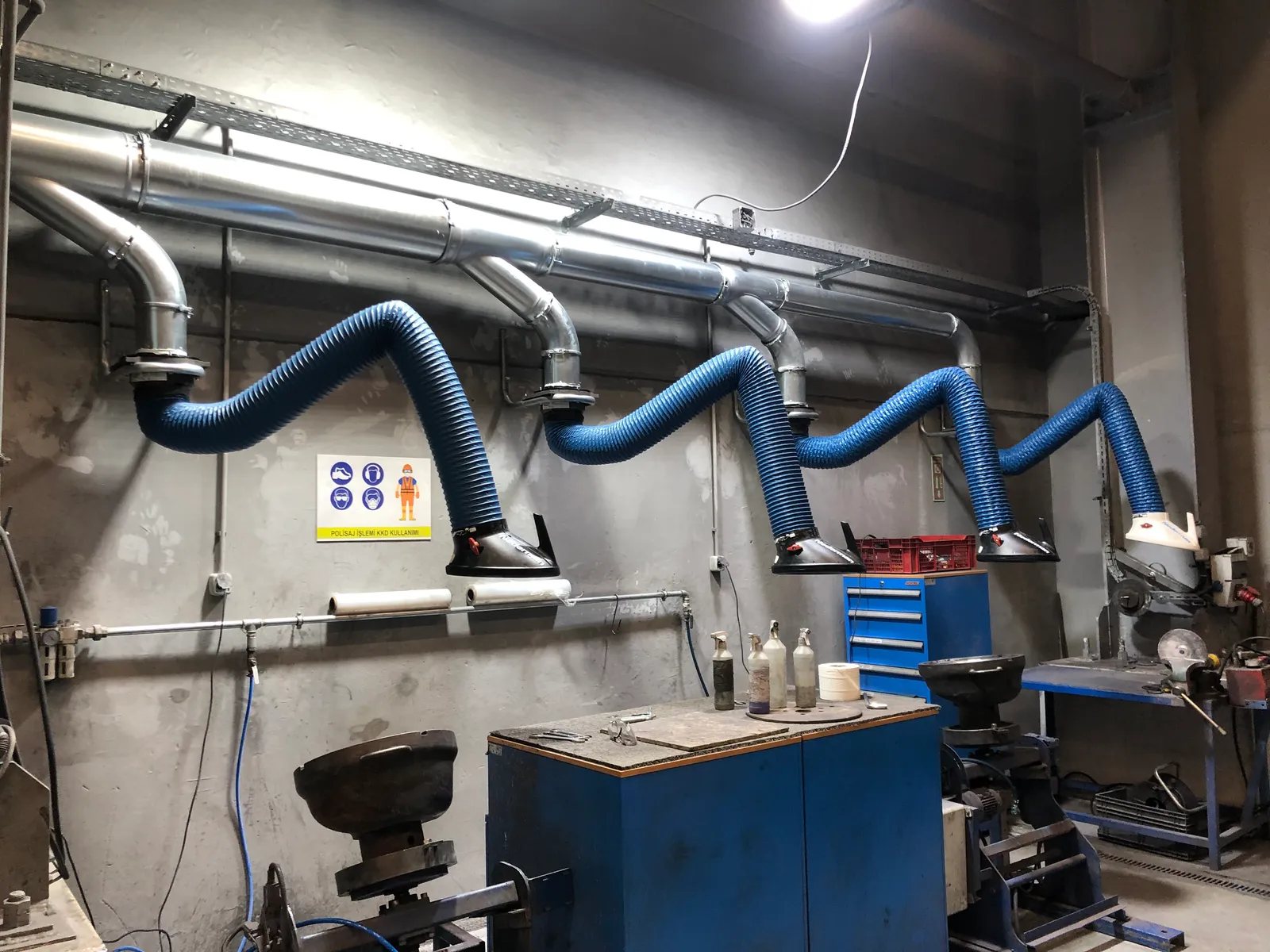
Local And Mobile Extraction
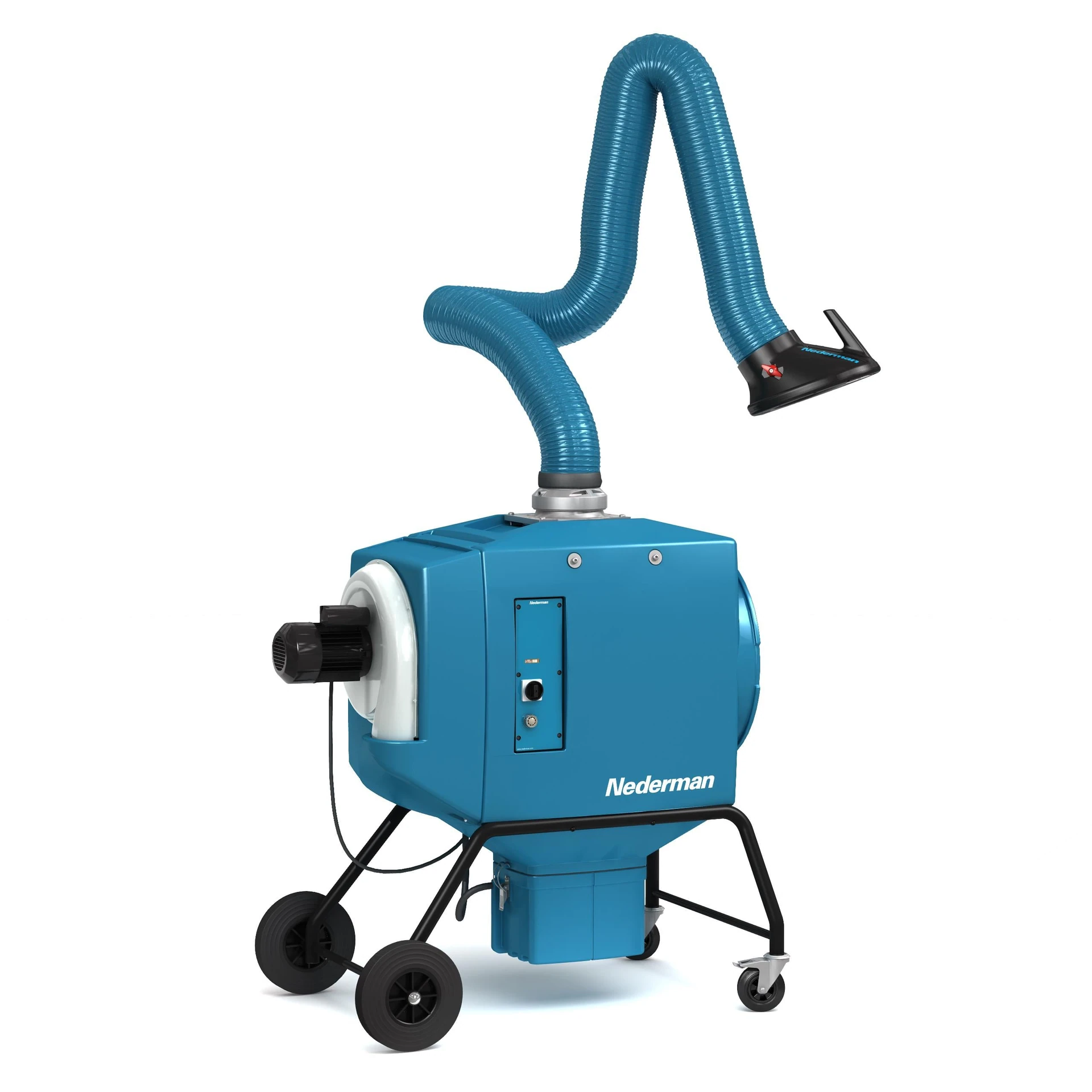
Mobile units can suit changing welding tasks and separate workstations. Hood reach and filter capacity must match the application.

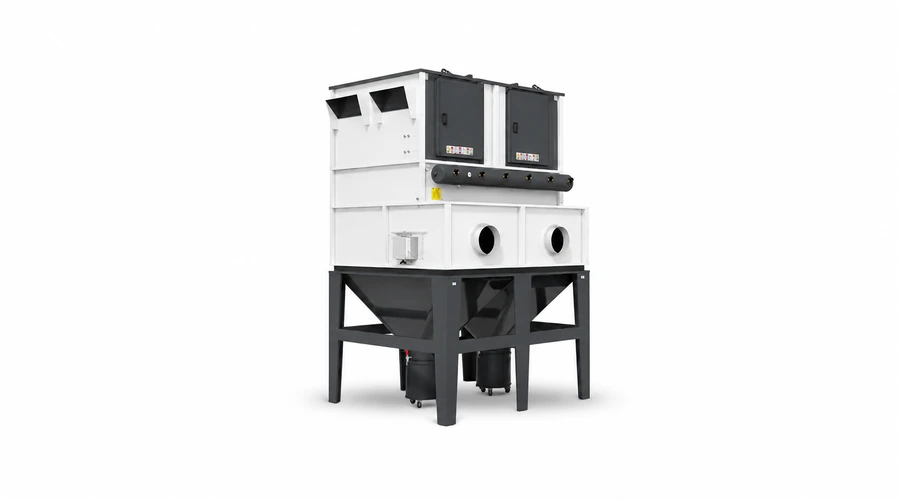
Central Dust Collection
Multiple stations, robotic cells or cutting lines can connect to a shared system. Simultaneous use, contaminant loading and maintenance during production are considered.
Dust Characteristics Determine The Design
Airflow is only one part of system selection. We assess production points, dust characteristics and existing ventilation together to match the filter, fan and ductwork.
- Material And Process
- Particle size, moisture, stickiness, temperature and generation rate affect filter and discharge equipment selection.
- Capture Distance And Access
- Hood position, operator movement and workpiece size are reviewed together to bring extraction close to the source.
- Combustible Dust And Sparks
- The risk assessment determines measures such as spark separation, explosion venting or isolation. Equipment suitability is checked for the dust and area conditions.
Which Approach Suits The Task?
| Application | Extraction approach | Selection focus |
|---|---|---|
| Manual welding | Extraction arm, mobile filter or on-torch extraction | Reach, operating time and fume loading |
| Robotic welding and cutting | Hood or machine-connected central filtration | Simultaneous operation, sparks and dust loading |
| Grinding and finishing | Extraction table or local hood | Workpiece size, dust type and operator movement |
Solutions For Production Areas
Welding And Thermal Cutting
Capturing fumes at their source in manual and robotic production.
Grinding And Polishing
Dust collection suited to the metal and working area.
Wood And Composites
System selection considering dust combustibility and material characteristics.
Powder Handling
Process-specific extraction at feeding, screening and discharge points.
Dust And Fume Extraction Equipment
All models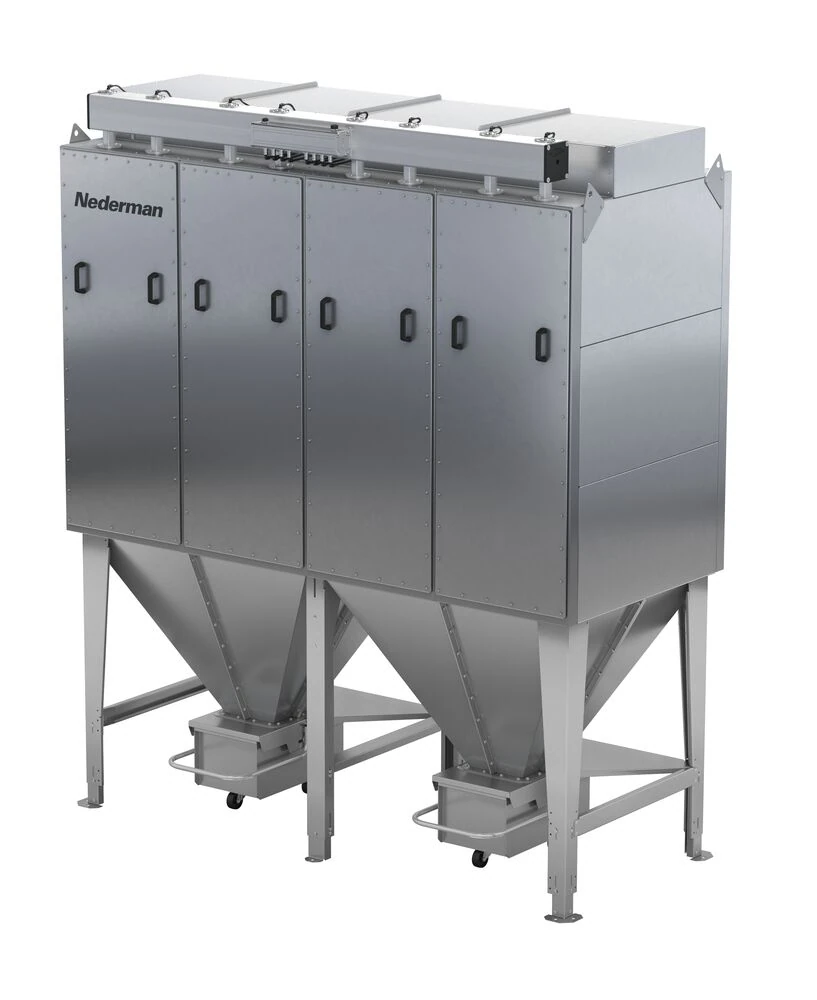
Frequently Asked Questions
Should I Choose A Mobile Filter Or A Central System?
Station count, operating hours, mobility and dust loading are assessed together. Separate intermittent tasks and continuous multi-station lines can need different solutions.
Is An Antistatic Filter Enough For ATEX?
No. Dust properties, area classification and risks across the complete system must be assessed. Filter media is only one element of suitable equipment and protective measures.
Why Does Extraction Become Weaker?
Loaded filters, duct leaks, blockages, the fan and damper settings are checked. The cause should be established before replacing filters.
What Information Is Needed For A Quotation?
Share the process, material, extraction points, shift duration and layout. Equipment and connection details are also included when an existing system is involved.
Related Guides
Knowledge centreWELDING FUME AND DUSTWelding Fume And Workplace Safety
Welding fume extraction systems, extraction arms and mobile filters: selection, performance checks and maintenance for capture at source.
 MAINTENANCE AND REPLACEMENT FILTERS
Nederman Service And Maintenance Guide
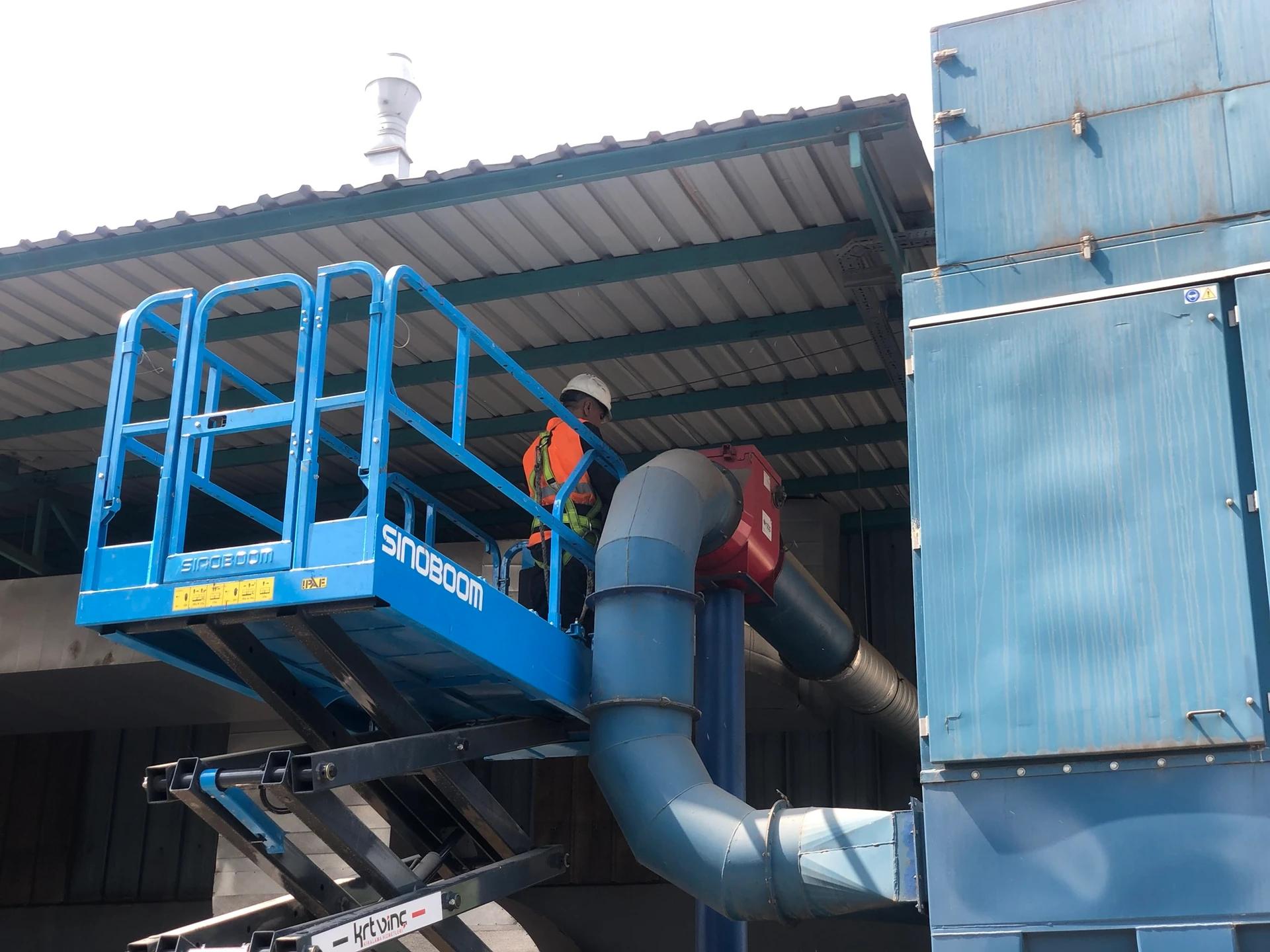
Nederman filtration and extraction maintenance: filter replacement, extraction performance checks and spare parts matched to your equipment.
Let’s Select A System For Your Production.
Share your process, material and workstations. Let’s plan a suitable extraction system for your facility.