
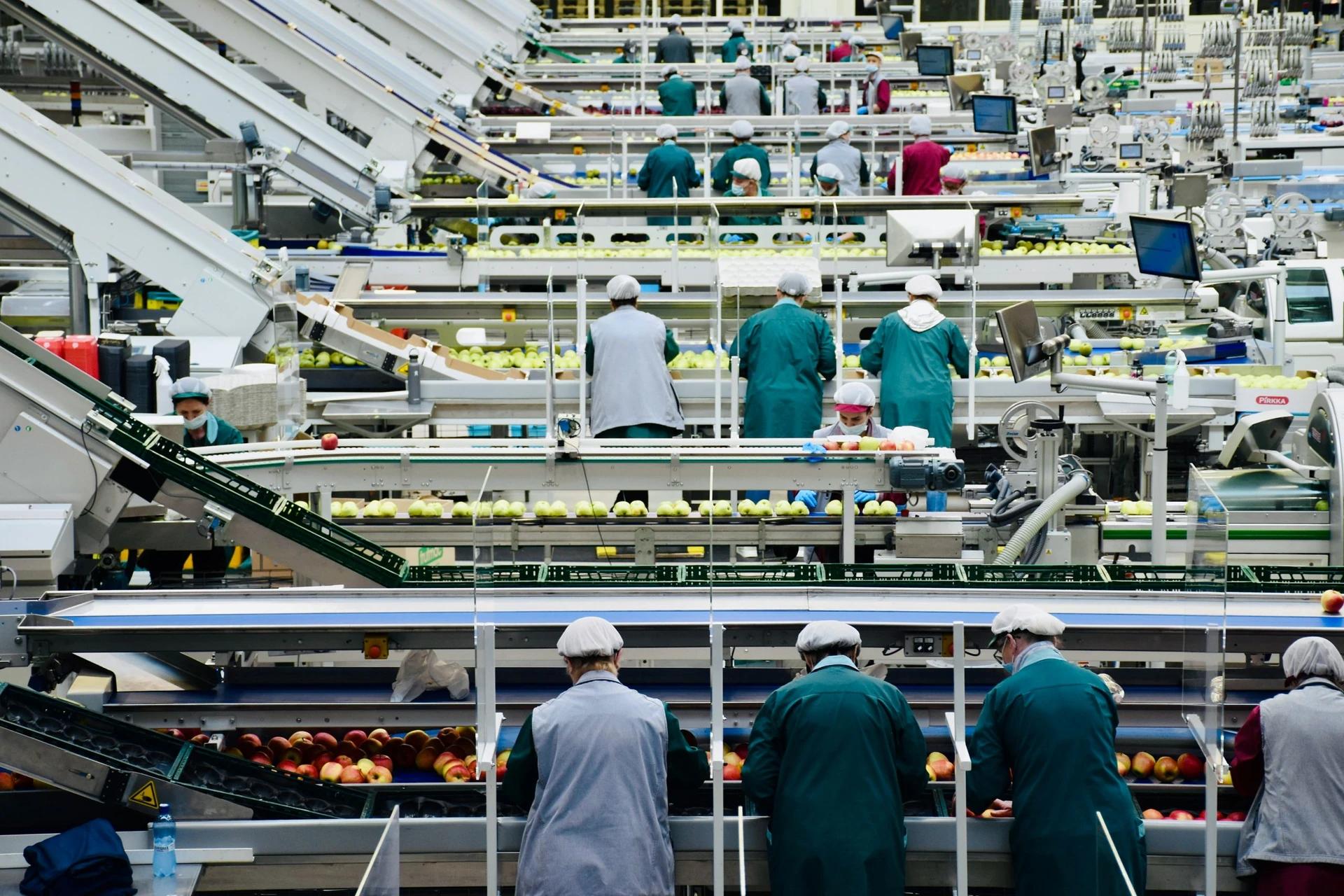
Dust Collection For Food & Beverage Production
Dust extraction for food production, with cleaning and maintenance planned from the start.
Applications
- Ingredient transfer
- Work that produces dust
- Cleaning and maintenance
Dust Control Along The Production Line
Dust from ingredients such as flour, sugar and starch can spread through the workplace. We review the work and layout at food and beverage facilities to choose suitable dust collection.
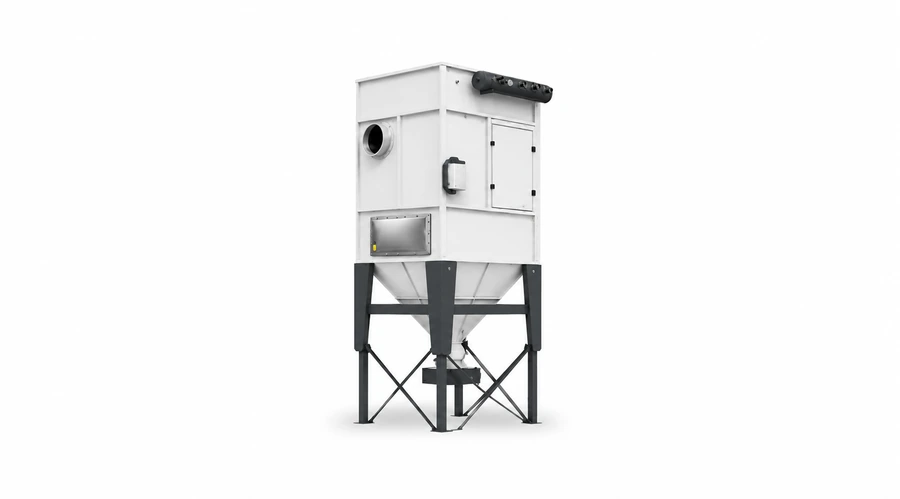
We plan extraction points, ductwork and the filter unit together, considering material properties, cleaning methods and space for maintenance.
Process, Contaminant And Extraction Approach
| Process | Contaminant / Need | Approach |
|---|---|---|
| Bag / big-bag emptying | Dust cloud during discharge | Local extraction at an enclosed station |
| Mixer charging | Dust escaping at the opening | Capture at the feed opening |
| Filling and packing | Dust escaping at the filling point | Local extraction limiting product loss |
| Sugar milling | Fine potentially combustible dust | System selection with explosion-risk assessment |
What Do We Check When Choosing A System?
- Where dust is generated and released, and which lines operate simultaneously.
- Ingredient properties, dust loading and required extraction capacity.
- Cleanability, collected-dust discharge and cross-contamination risks.
- A protection approach for combustible dust based on the facility’s risk assessment.
Considering Hygiene And Maintenance Together
There is no single filter selection suitable for all food dusts. Contact surfaces, filter elements and discharge arrangements are specified for the application. Hygiene and explosion-protection requirements are established with the facility’s responsible teams during engineering.
After installation, extraction performance, filter condition and cleaning access form part of the maintenance plan.
Hygiene, Cross-Contamination And Recovery
Agree product-contact surfaces, media, access panels and discharge arrangements with the food-safety team. Shared ducts need additional assessment when products or allergens differ. Return collected dust to production only after the quality team verifies traceability and hygiene. Assess combustibility for flour, sugar and starch dust.
Extraction During Bag Opening, Weighing And Mixing
Dust is often released when ingredients move from one container to another. Bag opening, weighing vessels and mixer charging therefore need individual attention. The operator's position and the movement of the bag affect hood placement. The arrangement should fit the production flow without making handling or weighing unnecessarily difficult.
Collection is planned close to the point of release, while also considering unwanted product being drawn into the extraction line. Ingredient flow, drop height and openings around the work area are reviewed together. Where several recipes use one station, the behaviour of each material and changes made during production should be included in the project information.
Ductwork And Cleaning During Product Changeovers
When different products share production equipment, extraction is also part of the changeover. Plan how ducts and filter hoppers will be cleaned and where access is required. Shared ductwork needs particular consideration where products or allergens must remain separate. The decision involves the facility's quality and production teams.
Dry or wet cleaning affects equipment materials and connection choices. Cleaning visible surfaces alone should not be assumed sufficient: locations where material can remain need review as well. Removable parts, seals and maintenance space are considered against the site's cleaning method. Time required to take the collector out of service is included in daily production planning.
Is Collected Dust A Product Or A Waste Stream?
Returning collected material to production is a separate quality decision. Its product origin, possible mixing with other dust and collection conditions need to be understood. Recovery cannot be assumed simply because a filter is installed. Where traceability and quality requirements cannot be met, consider a separate waste collection arrangement.
Locate the discharge point with regard to product flow, staff routes and cleaning areas. Monitoring and changing full containers should be manageable during production. The material determines the need for enclosed emptying and transport arrangements. This extends planning beyond dust capture to the material's suitable reuse or removal from the facility.
Preparing For A Food Facility Survey And Maintenance
An initial discussion can cover ingredients, dust-producing steps, shifts and the current layout. Product changeover frequency and cleaning methods matter alongside capacity. Observations such as moisture sensitivity or material sticking to surfaces help assess filtration and discharge arrangements. The facility should define its hygiene requirements clearly.
After installation, extraction points, filter condition and discharge are monitored together. Establish which shift will carry out maintenance and when equipment can be taken out of production. Introducing a new ingredient or recipe is a reason to review suitability again. Maintenance can then respond to production changes as well as a calendar schedule.
Solutions For This Industry
Dust Capture In Food Production
Raw material, throughput, emission points, hygiene requirements and layout. Local capture and central filtration are planned around these inputs.
On-Tool Extraction And Plant Cleaning
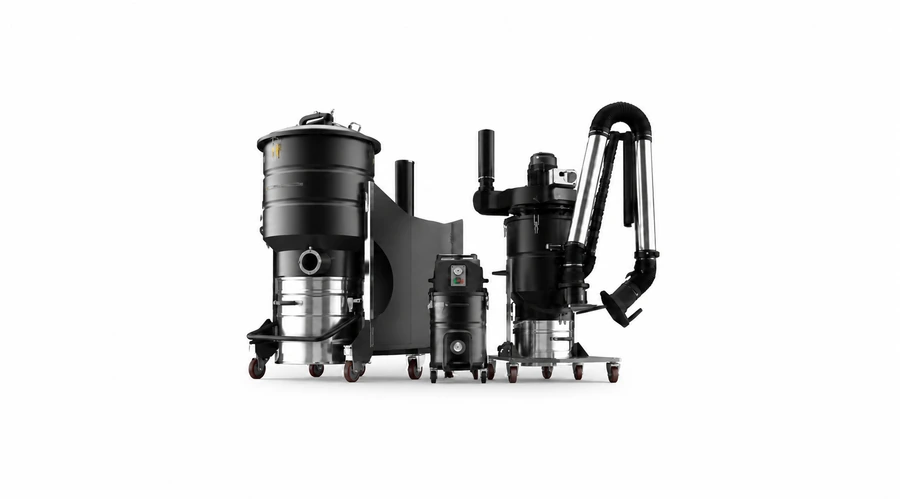
Extraction at the workstation or enclosed collection of deposited dust using material-compatible equipment.
Related Products
Product catalogue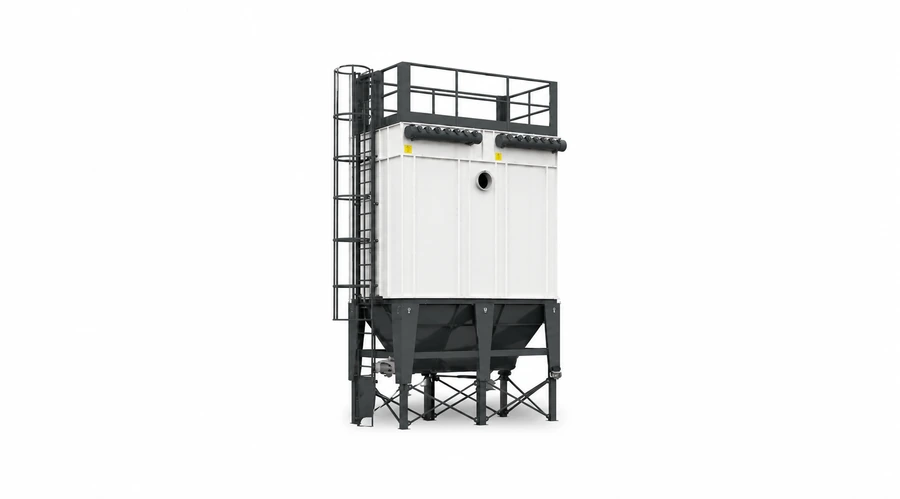
Frequently Asked Questions
Can Collected Dust Be Reused?
Only consider reuse after the quality team verifies product-contact suitability, traceability and hygiene.
Can Flour Dust Explode?
Combustible dust dispersed at suitable concentrations can present an explosion risk with an ignition source.
How Are Ducts And Filters Cleaned?
Design access panels and removable parts around process hygiene and use the manufacturer’s cleaning method.
What Information Is Needed For A Quote?
Raw material, throughput, emission points, hygiene requirements and layout.
Related Articles
Let’s Choose A System For Your Business
Let’s discuss what you need. Share your contact details and we can plan a suitable system for your facility.
+90 212 909 52 83