
Industrial Wood Dust Extraction Systems
Extraction systems for fine sanding dust and coarse chips, serving a single machine or a production line.
Applications
- Cutting
- Sanding
- Machine connections
Machine Connections And Capacity
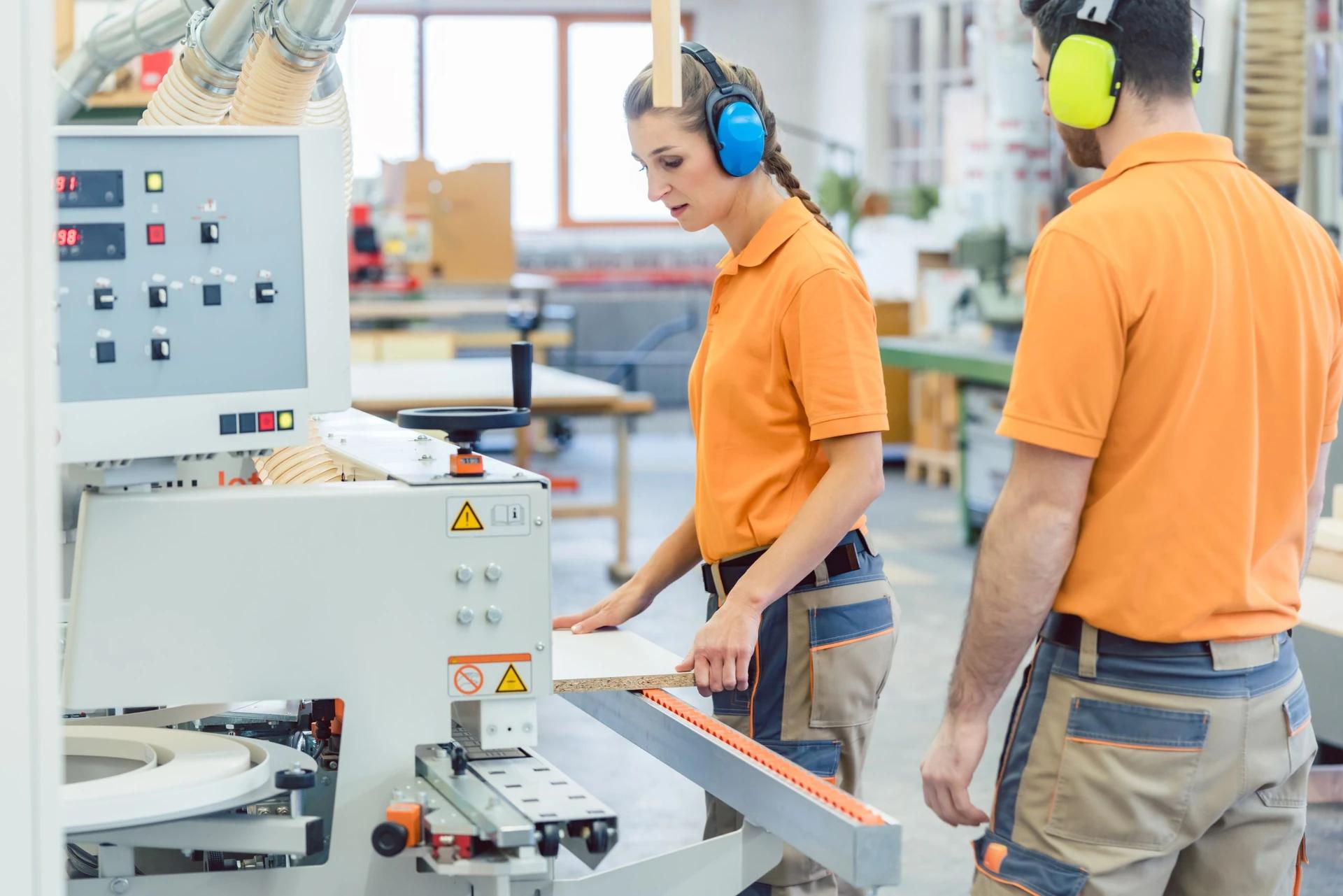
CNC routers, sanders, edge banders and sliding table saws have different extraction requirements. BMT Teknik calculates capacity for your facility based on machine connections and simultaneous use.
Fine dust accumulation can affect worker exposure, sensor and bearing cleanliness, maintenance needs and fire risk. Effective source extraction is combined with a regular cleaning and maintenance programme.
Process, Contaminant And Extraction Approach
| Process | Contaminant / Need | Approach |
|---|---|---|
| Panel sizing and sawing | Wood chips and dust | Check upper and lower extraction ports together |
| CNC router | Wood dust around the head | Capture at the machine head |
| Belt sanding | Fine MDF / wood dust | Filter area and combustibility assessment |
| Planing and thicknessing | High-volume wood chips | Conveying velocity and discharge capacity |
System Design For Combustible Dust
Dust combustibility and working conditions are assessed to select suitable ATEX equipment, explosion venting and isolation measures. Certified rotary valves and airlocks support continuous discharge and isolation in applications covered by their design.
The filter station, ductwork, return air and waste discharge are designed as one system. Removing accumulated dust also helps manage secondary dust dispersal and fire risk.
Solutions For Every Production Scale
- Mobile units: compact S-Series and suitable mobile filters for individual CNC routers, edge banders and circular saws.
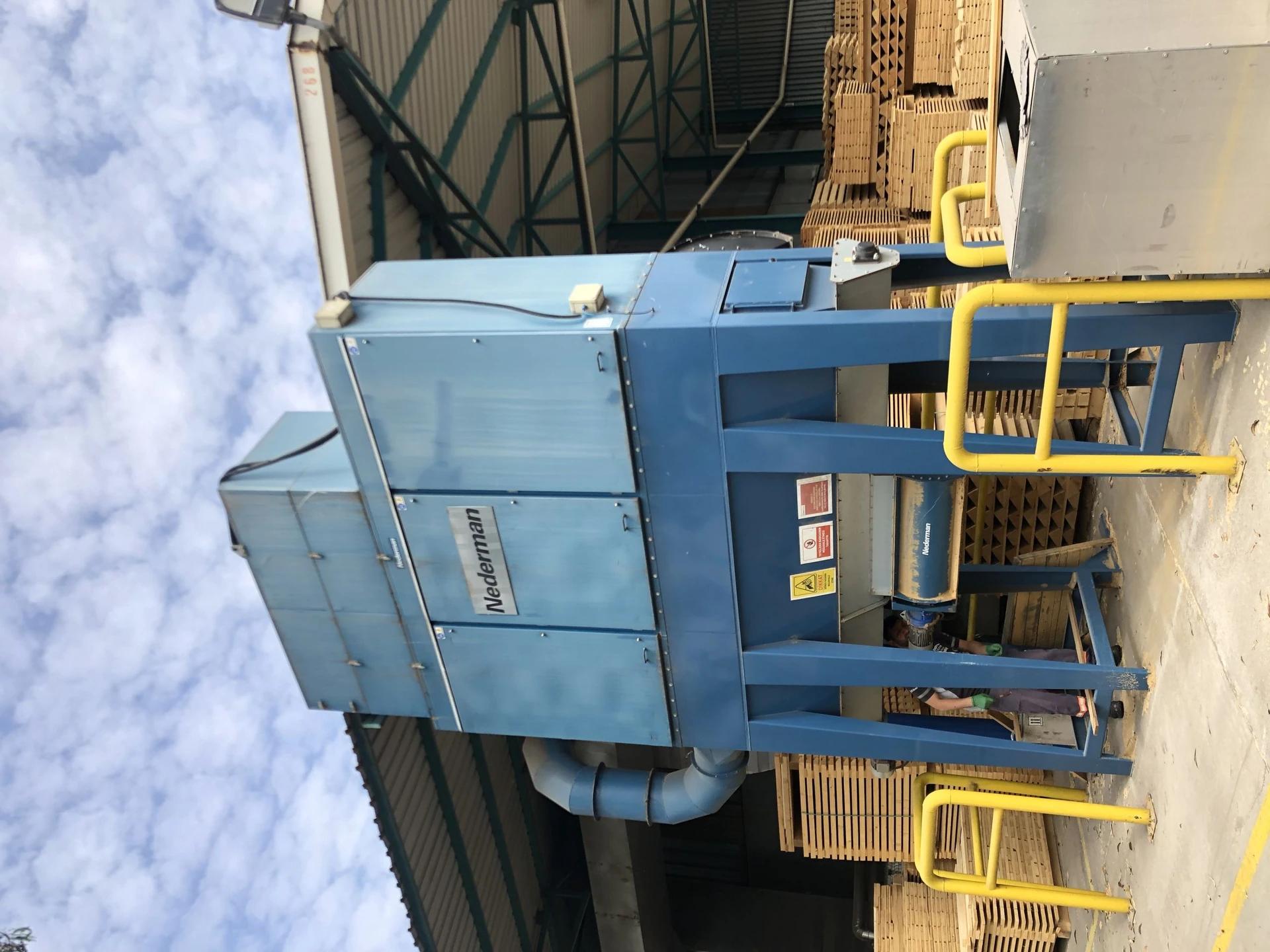
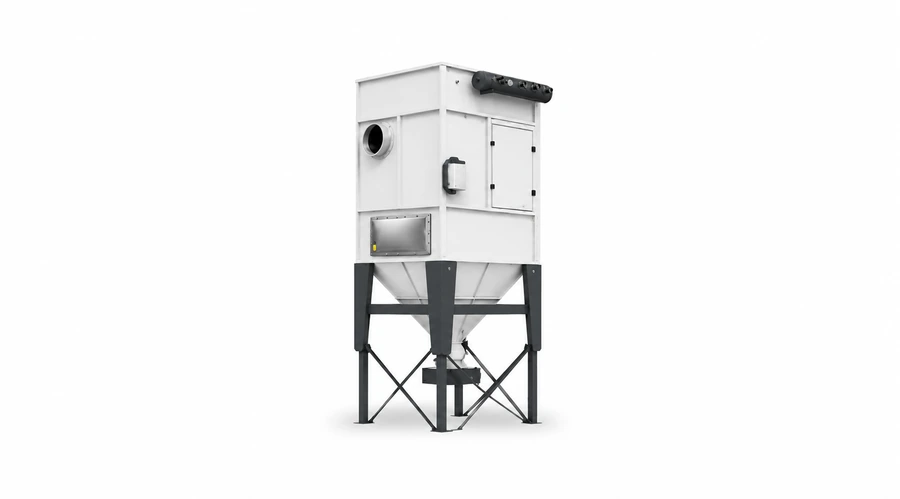
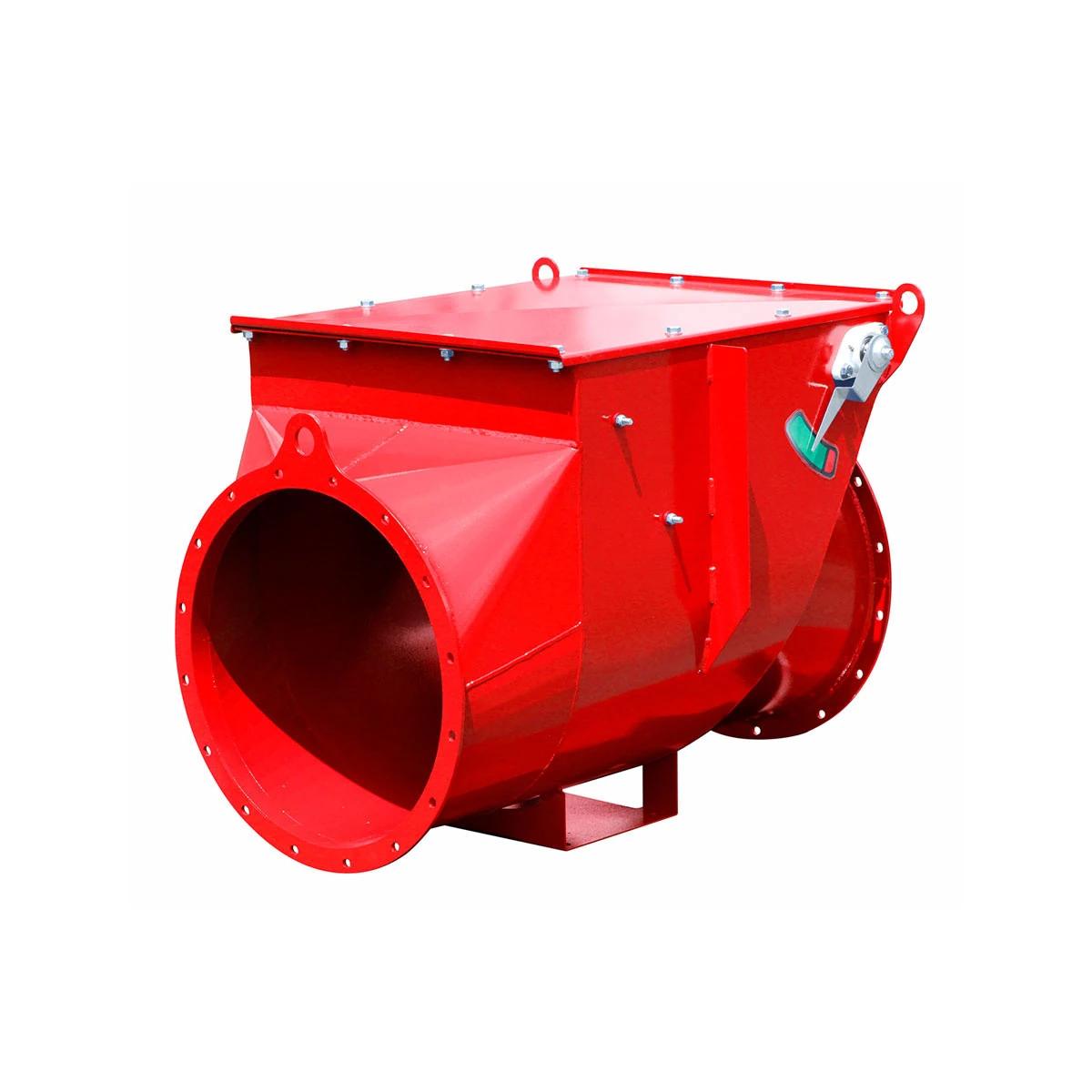
- Central systems: modular NFSZ and FMC solutions for outdoor installation and high dust loads, with suitable explosion venting and CARZ return-air valves.
- Housekeeping: FlexPAK high-vacuum lines for floors, machine interiors and hard-to-reach areas.
Collecting And Discharging Wood Chips
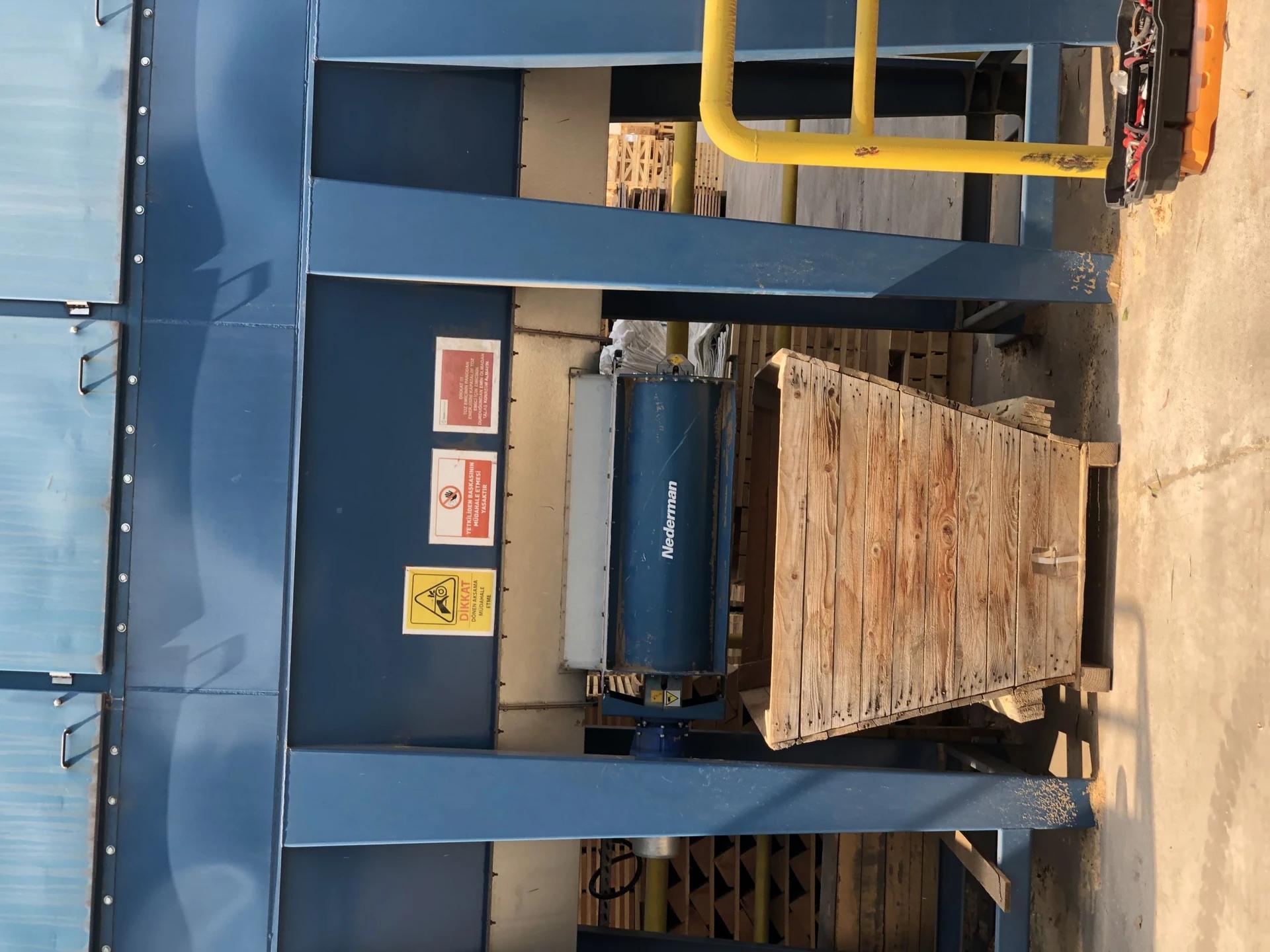
Assess machine-port airflow and simultaneous operation together. The design includes transport conditions to limit deposits, collection volume and cleaning access. Wood chips discharge into an appropriate container, big bag or silo; any explosion-protection function of the discharge equipment must be separately documented.
Consider Every Extraction Connection On The Machine
A woodworking machine may have more than one dust extraction point. Connections at the cutting zone and below the machine may serve different purposes. Design should consider the manufacturer's specified connection sizes and airflow needs together. Connecting only the easiest outlet to reach can leave dust escaping from another part of the machine.
Sanding produces fine dust, while cutting and routing generate a different mixture of chips and dust. Hoses and ducts collecting these materials need to suit the machine layout. Workpiece feeding, guard movement and operator access should remain practical. An orderly duct route is preferable to unnecessarily extending flexible hoses wherever the layout allows.
Review Ductwork When The Workshop Grows
Adding a machine can change the operating balance of an existing dust collection system. The capacity on the filter's label does not, by itself, establish whether another connection is suitable. Review the main duct, branch connections and machines used together. Adequate extraction at one machine with dust remaining at another is a reason to examine airflow distribution as well.
When preparing a layout, identify space reserved for future equipment. This allows duct routes to be considered alongside production, storage and maintenance access. Filter station placement needs to account for the working area required during filter replacement and chip emptying, as well as the installation footprint.
What Happens After Chips Reach The Collector?
Dust collection continues after material reaches the filter: separated waste needs regular removal. Selecting bags, bins or a silo involves considering waste quantity and emptying frequency. Routes for moving full containers, doorway dimensions and the site's waste collection arrangements influence the layout. The potential for material to escape again during emptying also needs attention.
Production may involve different timber species, boards and surface-treated materials. Appearance alone is not enough to decide how collected chips can be reused; the facility's waste and recovery requirements apply. Clear responsibilities for storage, cleaning and emptying make day-to-day operation easier to manage.
Information For Maintenance And Quotations
A system check covers machine hoods, hoses, joints and waste discharge as well as filter elements. Record which machine and operation are associated with any new dust escape. Longer production hours or new materials may mean that earlier maintenance arrangements need to be reviewed.
For an initial assessment, prepare a machine list, extraction connections, simultaneous operating pattern and workshop sketch. Indicate how cutting, sanding and other operations are distributed through the working day. If a system is already installed, include its equipment label, duct layout and filter condition. This information helps define what needs to be examined during a site visit.
Solutions For This Industry
Wood Dust And Chip Collection
Machine list, extraction ports, simultaneous operation and layout. Local capture and central filtration are planned around these inputs.
On-Tool Extraction And Plant Cleaning
Extraction at the workstation or enclosed collection of deposited dust using material-compatible equipment.
Related Products
Product catalogue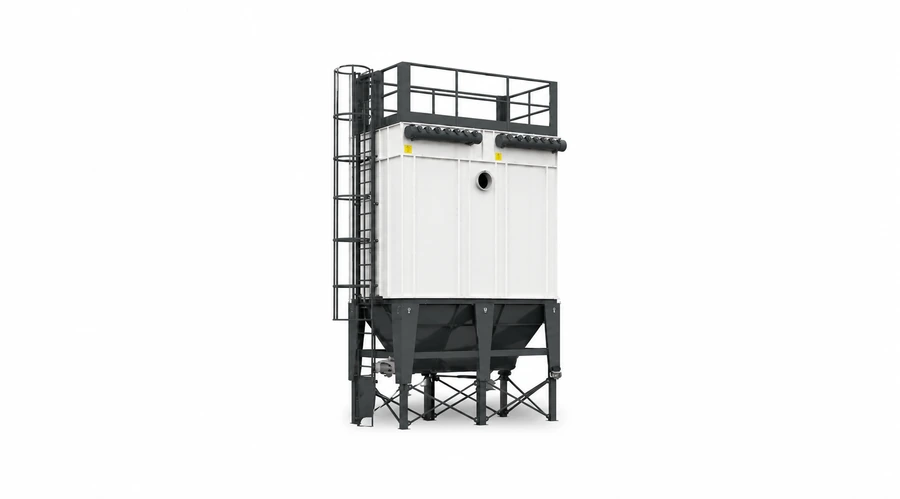
Frequently Asked Questions
Can A Mobile Unit Serve Three Or Four Machines?
Machine count alone is insufficient. Simultaneous operation, airflow, wood-dust load and equipment suitability are decisive.
What Matters For MDF Dust?
Assess fine-dust loading, filter area, cleaning and combustibility together.
How Is Weak Extraction Investigated?
Measure filter loading, deposited wood chips, damper positions and the effect of added machines.
Can Return Air Reduce Winter Heat Loss?
Do not return filtered air indoors without assessing air quality, combustible-dust and fire risks.
What Information Is Needed For A Quote?
Machine list, extraction ports, simultaneous operation and layout.
Related Articles
Let’s Choose A System For Your Business
Let’s discuss what you need. Share your contact details and we can plan a suitable system for your facility.
+90 212 909 52 83