

Dust Collection For Energy & Heavy Industry
Dust and fume control, ventilation and central filtration for energy and heavy industry facilities.
Applications
- Industrial ventilation
- Central extraction
- Filter monitoring
Extraction For Your Working Conditions
Facilities with high airflow needs or large amounts of dust need filtration designed around their production. We plan ventilation, dust and fume control systems for energy and heavy industry.
Equipment capacity is only part of the picture. Extraction points, duct routes, pressure losses and where air is discharged also affect how the system works.
Process, Contaminant And Extraction Approach
| Process | Contaminant / Need | Approach |
|---|---|---|
| Conveyors and transfer | High dust loading | Enclosure and source capture |
| Blasting / surface treatment | Abrasive particles | Pre-separation and wear control |
| Hot processes | Hot and variable gas stream | Temperature and material compatibility |
| Plant cleaning | Deposited process dust | Material-compatible high vacuum |
What Do We Review On Site?
- Contaminant type, quantity and variation through the process.
- Air temperature, humidity and equipment operating conditions.
- Simultaneous extraction points and existing duct infrastructure.
- Maintenance space, filter discharge arrangements and planned production shutdowns.
Energy Use And Maintenance
We choose the fan and controls for the airflow needed. Energy use and maintenance intervals are assessed using the facility’s operating records.
After installation, we check extraction performance and pressure readings across the filter to plan maintenance.
Temperature And Wear Matter As Much As Capacity
Assess temperature fluctuations, humidity, abrasion and corrosion alongside dust quantity. These inputs determine duct bends, pre-separation and media. Evaluate energy use at the actual fan operating point and system pressure loss. Plan maintenance access and scheduled shutdowns to limit production disruption.
Assess Transfer Points Individually
Dust in a bulk-material facility may come from several locations rather than one machine. Feeding, conveyor transfers, discharge and screening have different operating conditions. Enclosing the release area and extracting at a suitable point serve a different purpose from general building ventilation. Establish each point's daily operating time and whether points run together.
Outdoor wind and air movement inside an enclosed area require different consideration. Hood position, material drop and nearby access routes are reviewed together. Marking extraction points on a facility sketch helps identify conflicts between duct routing, production and maintenance access. Capacity assessment can then be based on the actual layout.
Normal Operation And Changing Conditions
Design considers start-up, shutdown and product changes as well as steady production. Air temperature, humidity and dust loading may vary during those periods. Filter media and connection components are selected against the operating range supplied by the facility. Continuous conditions and short-term changes are assessed separately.
Abrasive dust and heavy material loading can affect duct bends and collection equipment. Pre-separation needs and access to wear parts therefore matter. Information about frequently replaced components and recurring fault locations in an existing system is useful. These observations help establish the conditions a new system or improvement needs to address.
The Fan, Ductwork And Filter Work Together
Extraction performance cannot be described by fan motor power alone. Connections, duct lengths, bends and filter condition all affect system demand. A more powerful fan does not, by itself, correct a poorly positioned hood. Assessment therefore follows the entire air path, rather than beginning and ending with the collection unit.
Where production loading changes through the day, controls are considered against that operating pattern. Energy assessment uses actual operating hours and required airflow. Instead of assuming a fixed saving, compare baseline and subsequent operating values under comparable production conditions. This provides a clearer basis for assessing the effect of an improvement.
Maintenance Access And Planned Shutdowns
Maintenance space around a large filter can exceed its installation footprint. Consider filter removal direction, door opening, collection vessels and lifting equipment together. Establish how service platforms and access routes will be used during production. Trying to create access later can extend maintenance work.
Before a site survey, prepare operating hours, planned shutdown dates, the layout and existing equipment details. Add operating records for temperature and dust loading where available. Plan installation sequence, the production areas that need to stop and treatment of existing connections together. This helps define a quotation that covers practical installation and maintenance arrangements as well as equipment.
Solutions For This Industry
Process Dust Collection
Material, temperature, dust loading, existing fan/filter data and layout. Local capture and central filtration are planned around these inputs.
On-Tool Extraction And Plant Cleaning
Extraction at the workstation or enclosed collection of deposited dust using material-compatible equipment.
Related Products
Product catalogue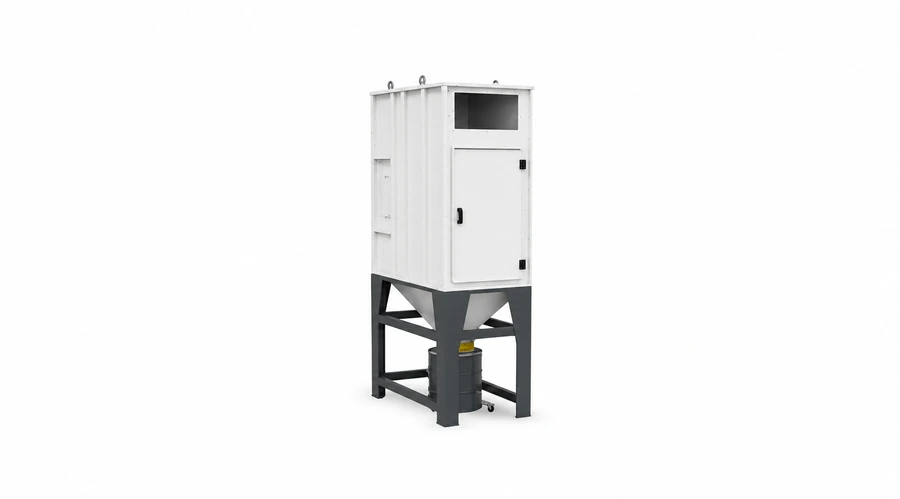
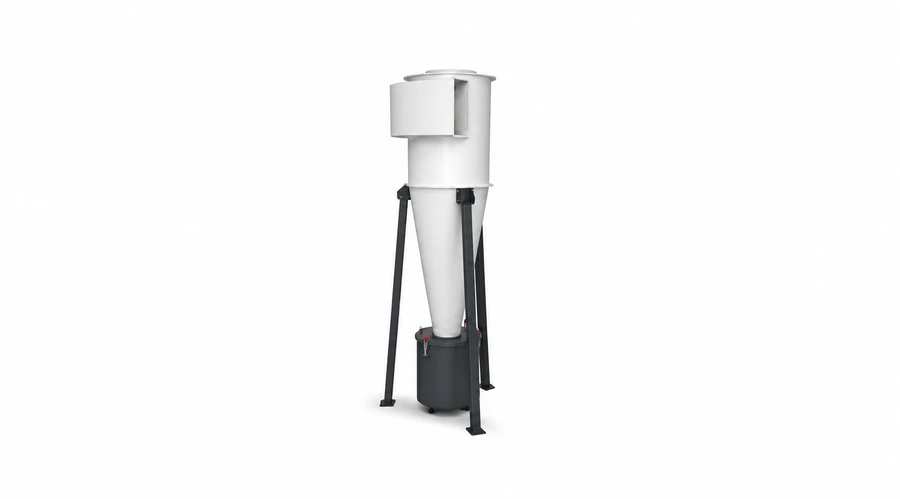
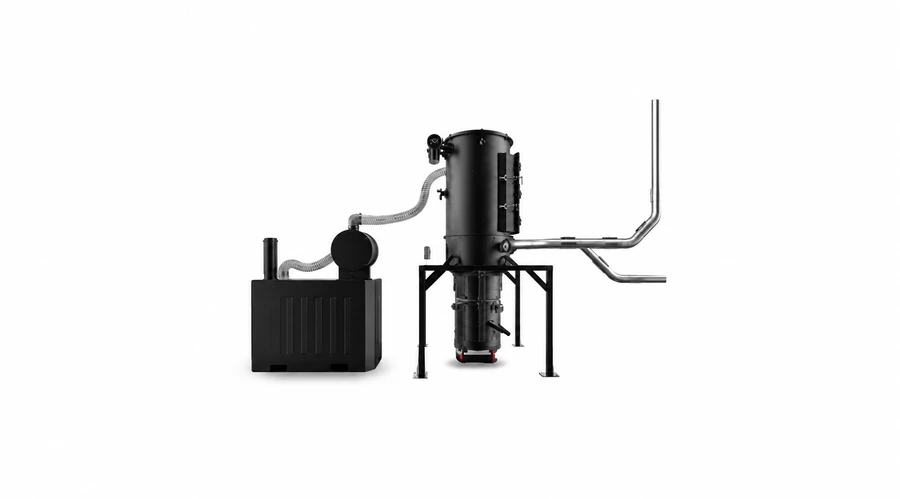
Frequently Asked Questions
Can An Existing System Be Expanded?
Assess the fan curve, duct losses, filter area and discharge capacity using measurements.
Why Do Bends Wear Out?
Particle properties, velocity and bend geometry affect wear. Review materials and routing accordingly.
Does Installation Stop Production?
Plan connections and commissioning around the existing line; required downtime depends on the project.
What Information Is Needed For A Quote?
Material, temperature, dust loading, existing fan/filter data and layout.
Related Articles

Let’s Choose A System For Your Business
Let’s discuss what you need. Share your contact details and we can plan a suitable system for your facility.
+90 212 909 52 83