Start by understanding the dust and process conditions, before selecting an ATEX-marked product. Equipment suitability must be verified against the facility’s explosion-risk assessment and protection design.
Which Dusts Need Assessment?
Wood, grain, flour, sugar, some plastics and metal dusts can be combustible or explosive under particular conditions. Behaviour of the bulk material does not establish the behaviour of its fine dust. Particle size, moisture and process mixtures influence the result.
A safety data sheet is a starting point and may not contain every explosion property required. Samples should represent actual production dust and, where needed, be examined by a competent laboratory.
What Data Is Useful?
| Property | What it describes |
|---|---|
| Kst | Rate-of-pressure-rise behaviour under test conditions |
| Pmax | Maximum explosion pressure measured in the test |
| MIE | Minimum ignition energy |
| MEC | Minimum explosible dust concentration under test conditions |
| Ignition temperature | Separate assessment for dust clouds and layers |
These values are not interchangeable. Low Kst does not mean harmless dust, and a single test does not cover every process condition. Protection calculations should not rely on a generic catalogue table.

Area Classification And Equipment Selection
Assess the frequency and duration of dust-cloud formation to classify hazardous areas. A filter interior, discharge point and surrounding workplace may have different conditions. Motors, sensors, filters, fans and connections must be checked for their intended locations.
One ATEX-marked component does not establish compliance of the entire installation. Equipment category, dust group, temperature limits and certificate scope must match the location. Browse the product catalogue while considering the complete protection arrangement.
Prevention, Venting And Isolation Have Different Roles
Reducing dust deposits, controlling ignition sources and providing appropriate electrical bonding are preventive measures. Explosion venting, suppression or containment are protection methods selected for the application. A safe discharge area must also be planned.
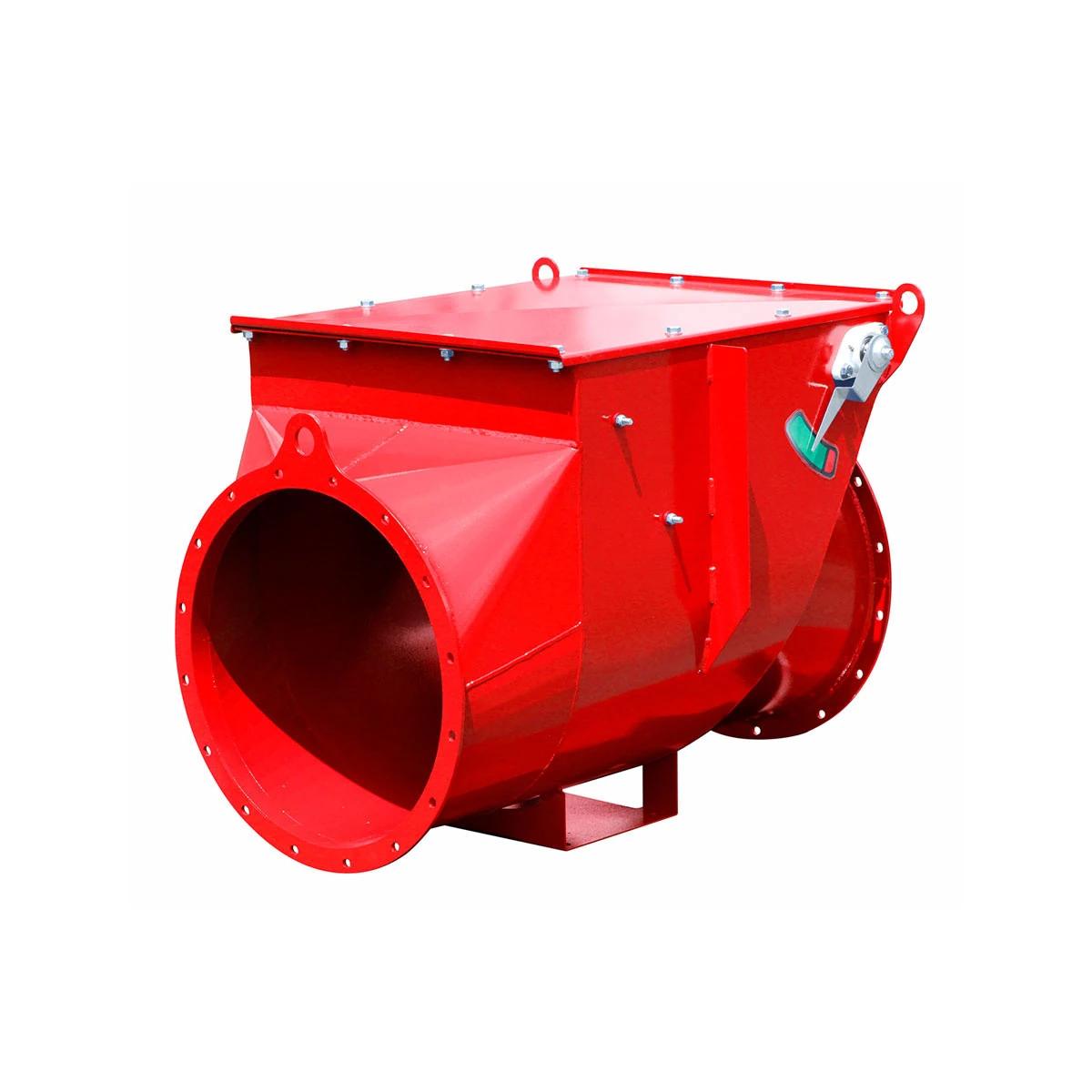
Isolation aims to limit propagation through connected ducts. An ordinary damper or rotary valve is not necessarily an explosion-isolation device. Verify certificate scope, direction, duct configuration and installation conditions.
Can Protection Be Added To An Existing System?
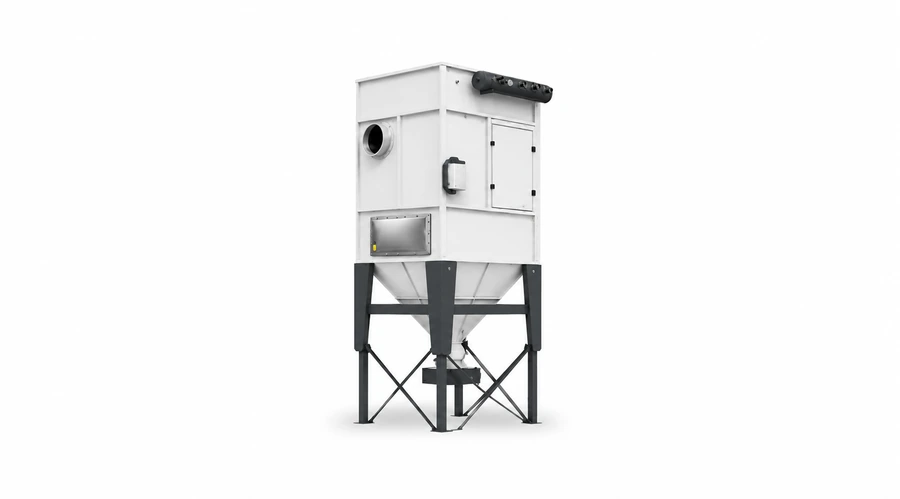
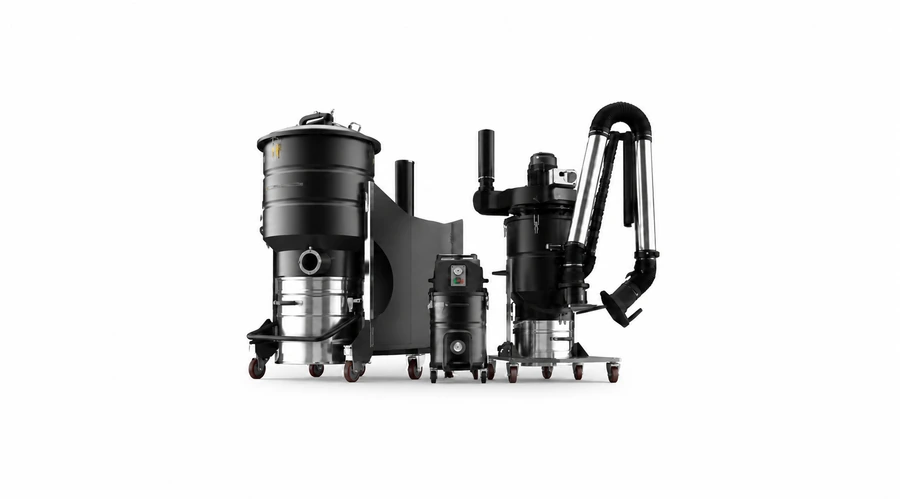
Some installations can be upgraded, but adding a panel alone is not sufficient without assessing housing strength, layout, ducts and discharge arrangements. Dust collection solutions address capture and filtration as a system.
Prepare For An Application Review
Gather material and dust-sample information, safety data sheets, available laboratory reports, layout, throughput, operating temperature and existing protection documentation. The product finder directs sensitive or combustible dust to application review rather than automatically recommending a device.
Technical Sources
HSE: ATEX and explosive atmospheres · HSE: Safe handling of combustible dusts