Welding and plasma cutting can release metal particles and gases into the air. Their type depends on the metal, coating, consumable and welding method. Choosing a system requires more than looking at visible fumes.
IARC classifies welding fumes as carcinogenic to humans. Reducing exposure requires an assessment of both the process and the workplace.
What Should Be Checked In The Work Area?
A manual welding station does not have the same extraction requirements as a robotic cell. Key assessment points include:
- Welding method, base metal, coating and consumable.
- Welding duration, shift patterns and the number of simultaneous stations.
- Workpiece size and operator movement.
- Nearby workers and the direction of air currents.
- Sparks, hot particles and combustible-material risks.
This information helps determine the capture point and filter-system capacity.
Why Does Source Extraction Matter?
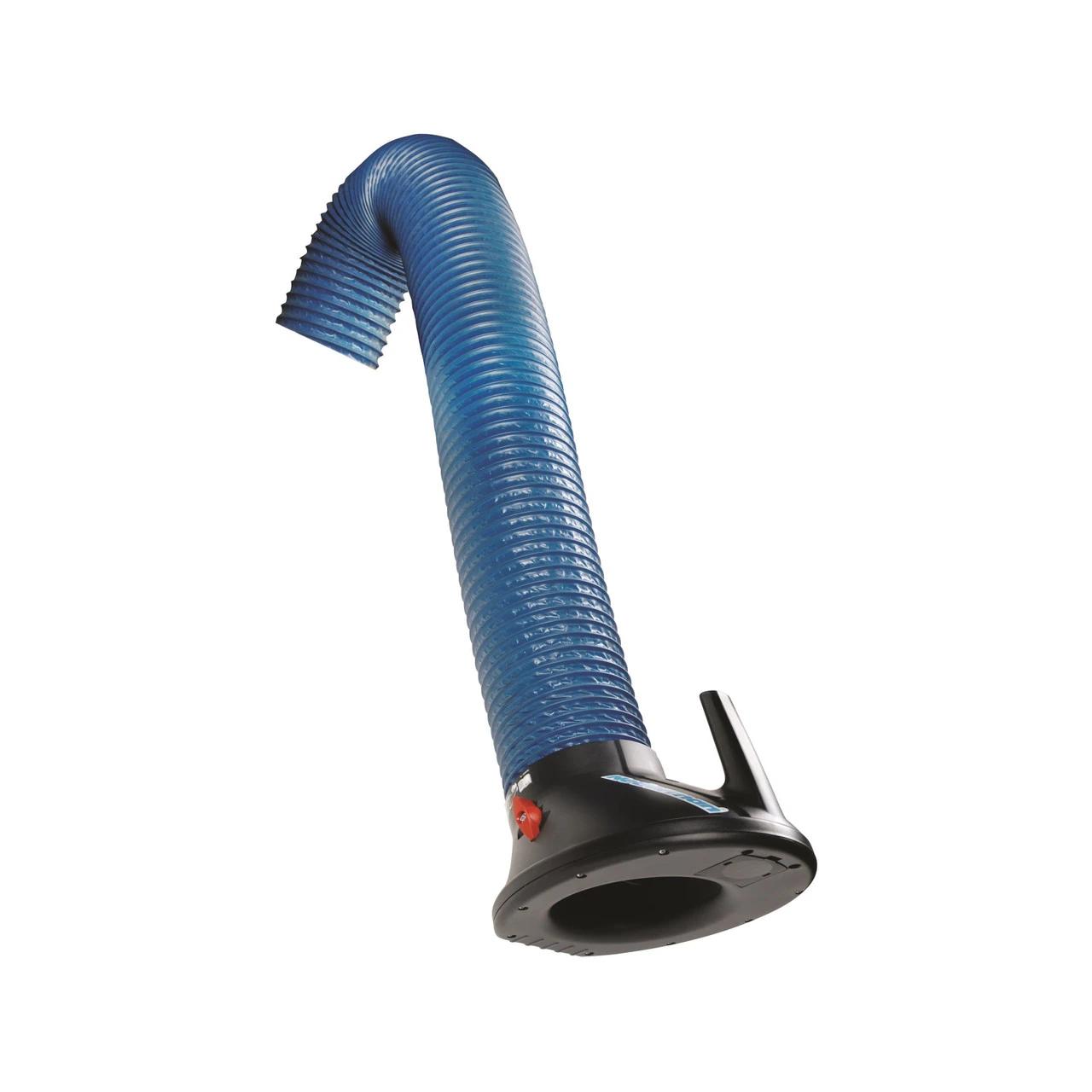
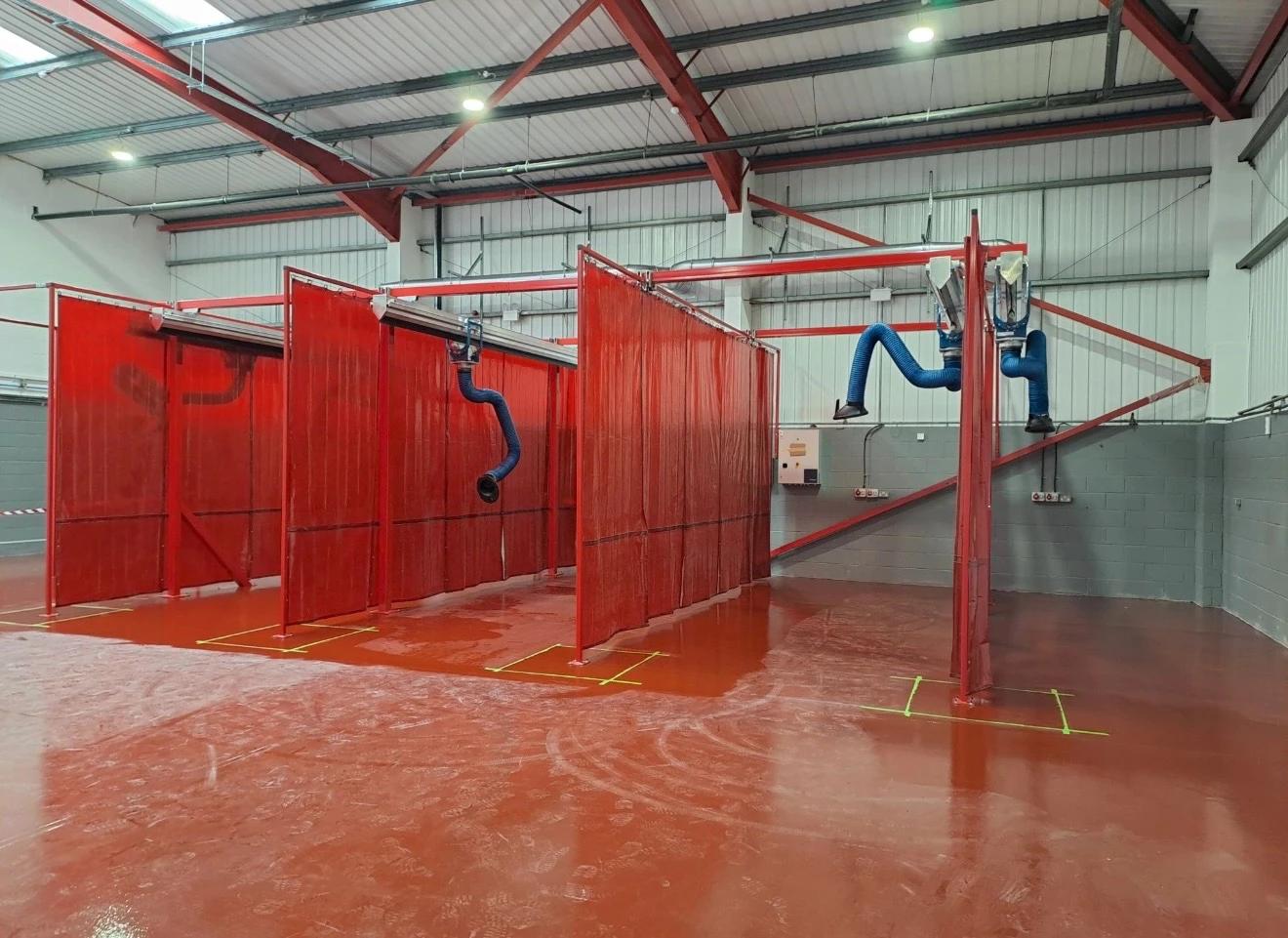
Fume is harder to control once it spreads through a workshop. Extraction arms, extracted benches, welding booths and suitable on-torch extraction aim to capture contaminants close to where they arise.
HSE’s control approach considers reducing emissions first, followed by appropriate local extraction and respiratory protection for remaining risks. The workplace assessment determines which controls are adequate.
Having an extraction arm is not enough on its own. The hood needs appropriate positioning, sufficient airflow and consistent operator use.
Choose A System For The Work
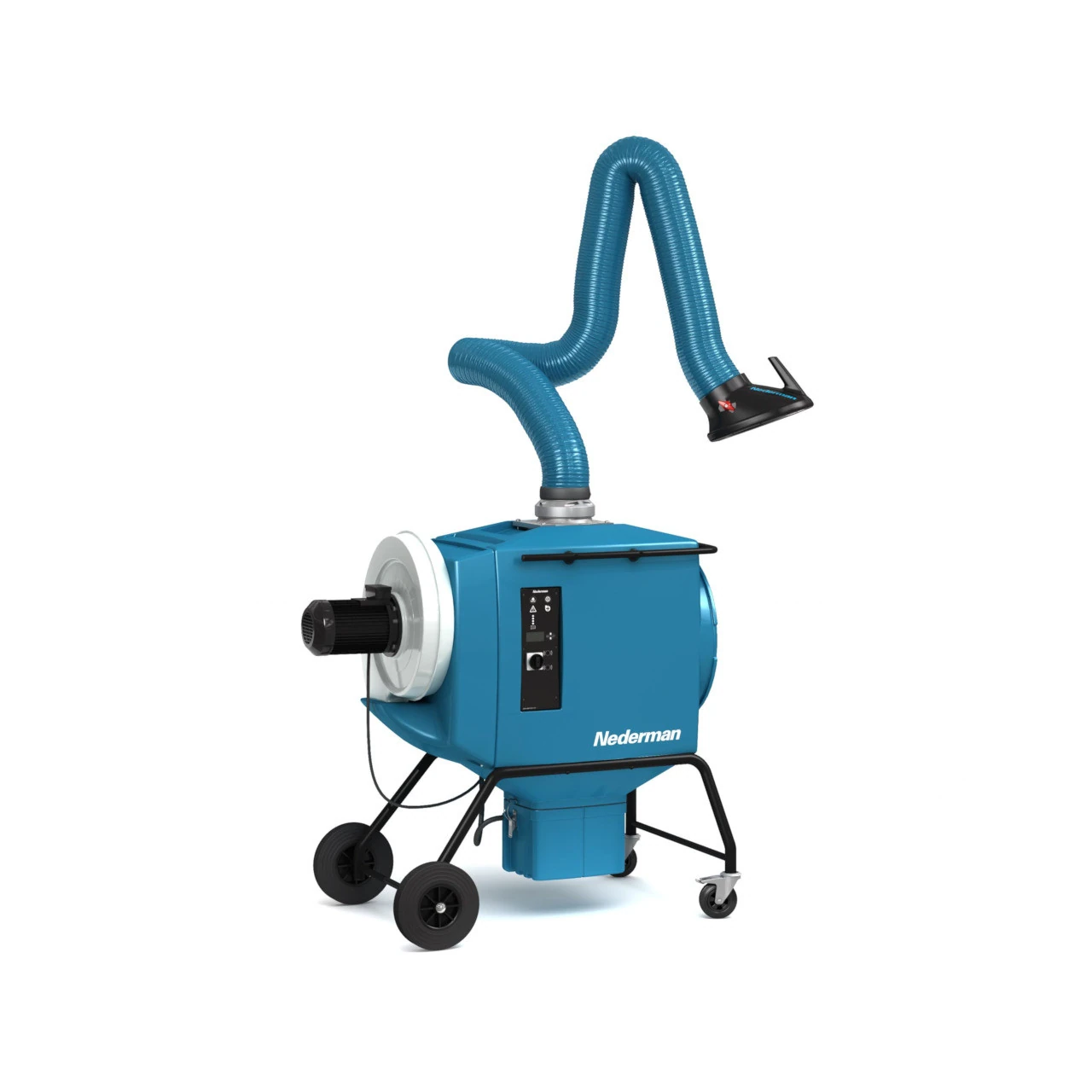
Manual and changing stations: Extraction arms or mobile filters can be positioned close to the work. Selection depends on the fume load, filter characteristics and workstation layout.
Large workpieces: Rail-mounted extraction allows an arm to move along the work area. Protective curtains and layout also need consideration for nearby workers.
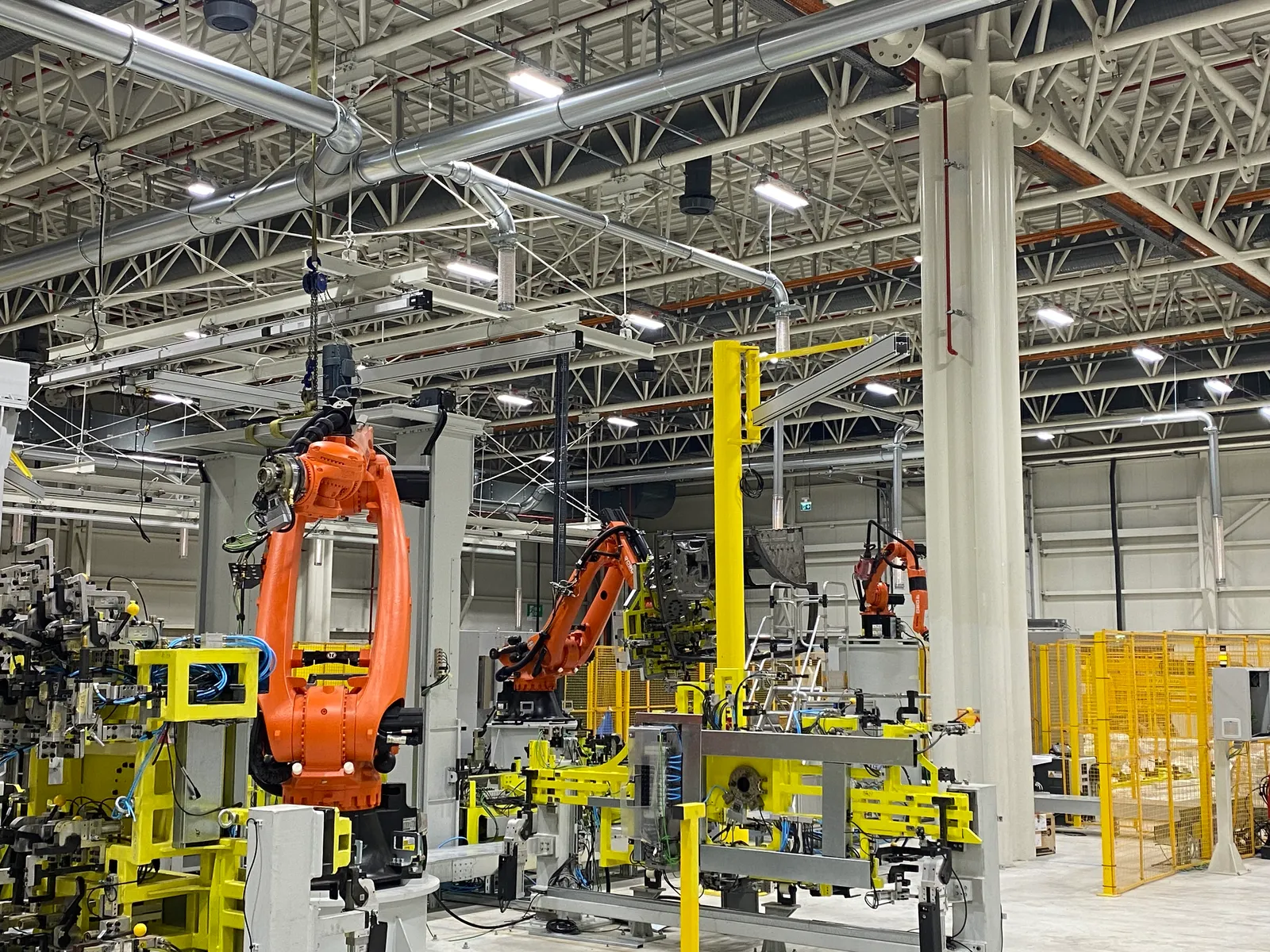
Robotic welding: Hoods fitted around the robot’s work area and central systems can be used. Extraction is designed to work without interfering with robot movement or production flow.
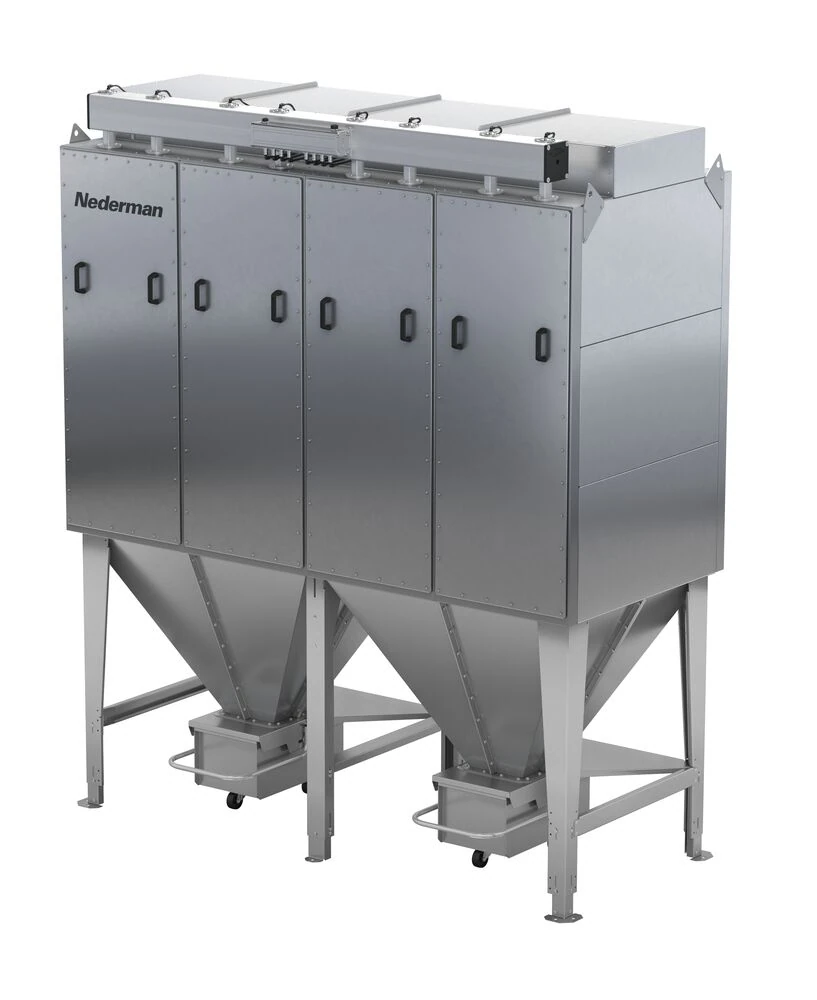
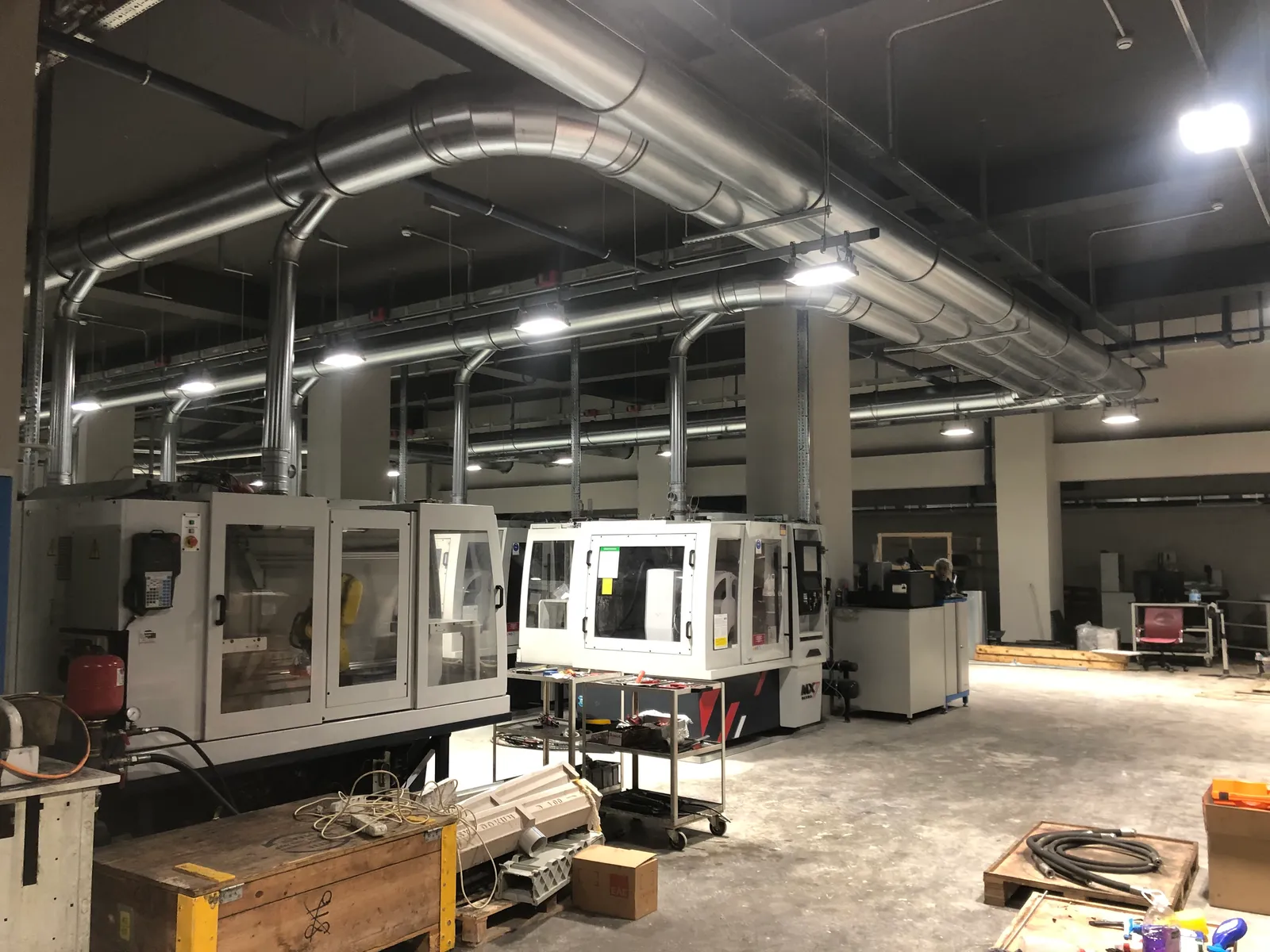
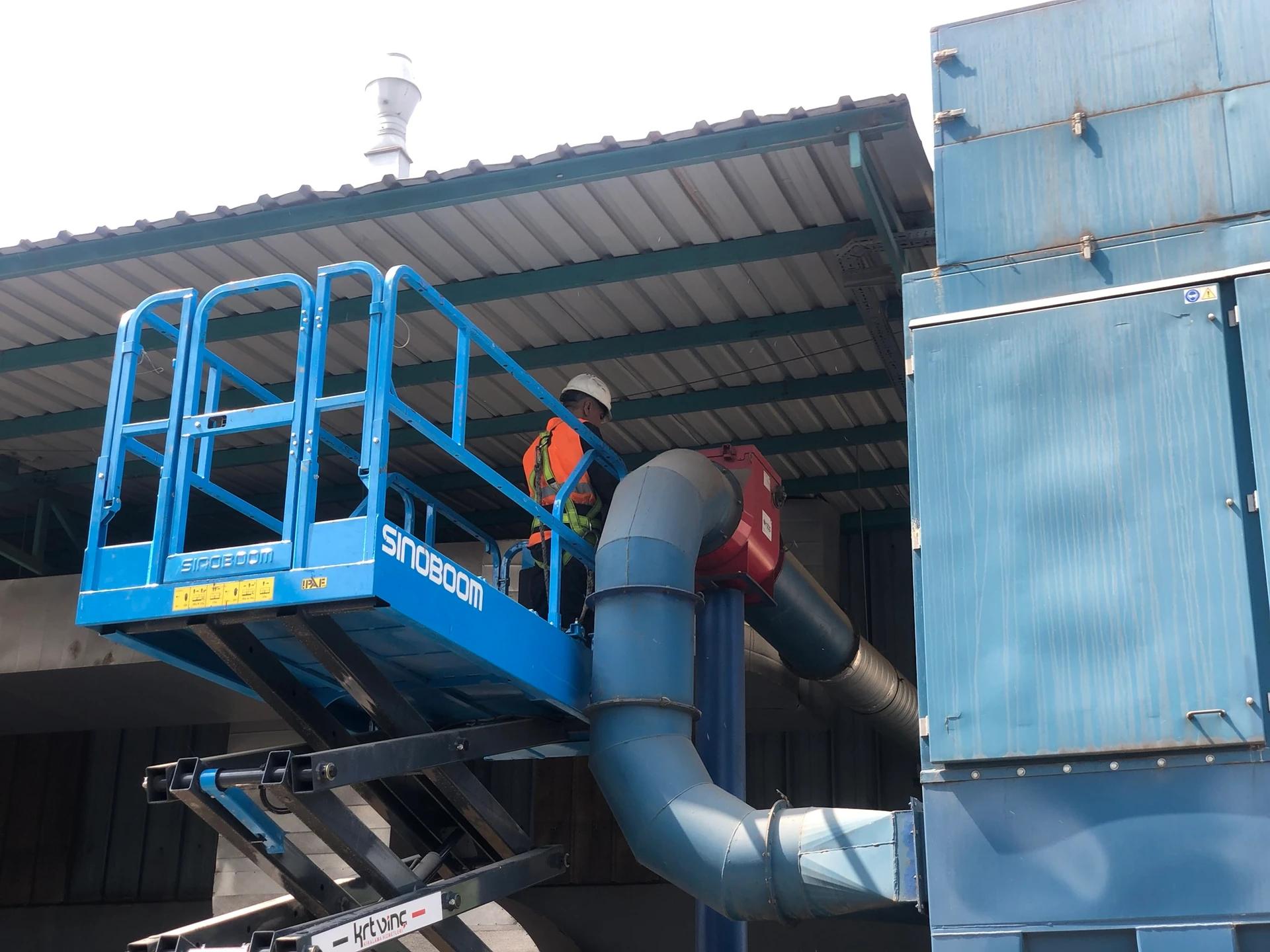
Plasma and laser cutting: High dust loads, hot particles and sparks require suitable filtration and risk-reduction measures. Central systems with automatic cleaning are selected through capacity calculations.
Check Performance And Keep Up With Maintenance
Airflow, filter resistance, duct leakage and the cleaning mechanism all affect performance. Changes in differential pressure, reduced extraction or unexpected vibration may require investigation.
Maintenance records show what work has been carried out. Filter replacement, sensor checks and duct cleaning are planned according to manufacturer instructions and actual operating conditions.
Exposure assessment requires appropriate methods and relevant specialists. Applying a single “total dust limit” or fixed air-change rate to every welding process does not provide a sound basis for capacity selection.
Frequently Asked Questions
Is A Face Mask Enough On Its Own?
Protection requirements depend on risk assessment. Source extraction and suitable personal protective equipment may both be needed; no unit or mask provides the same protection under every condition.
Why Does Filter Maintenance Matter?
An unsuitable or loaded filter can affect extraction performance. A system being switched on does not establish that it is operating effectively. Performance indicators and maintenance records should be reviewed together.
How Often Should Systems Be Checked?
Consider manufacturer instructions, process risk, operating intensity and applicable requirements. Reassess the installation when the process or layout changes.
BMT Teknik provides design and service support for welding and plasma-cutting applications, from mobile filters to central extraction lines. Let’s review your workspace together.