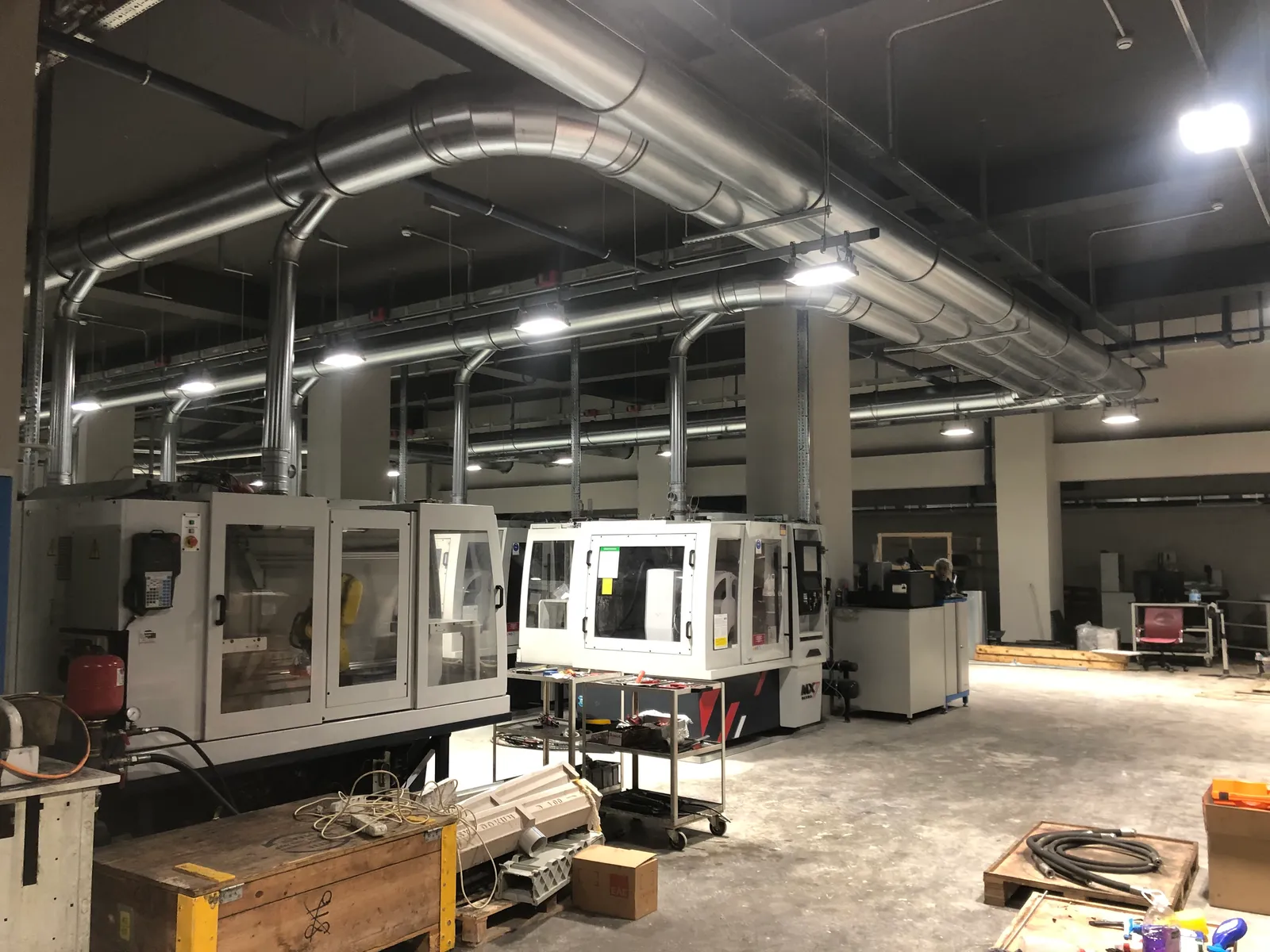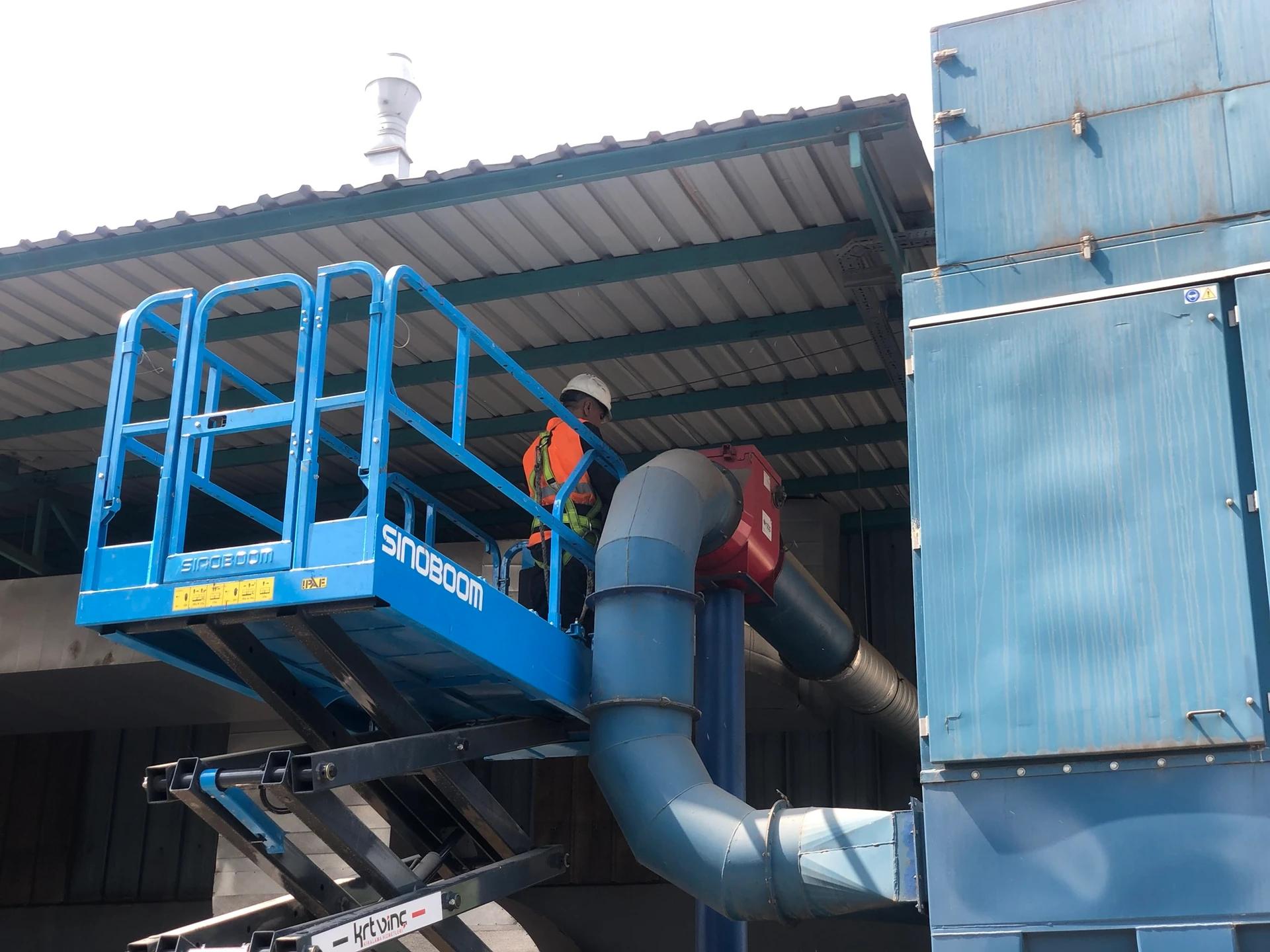
A filtration system needs regular maintenance to keep working well. Filters can fill up, ducts can leak, and fans or cleaning mechanisms can develop faults.
We inspect Nederman systems on site and provide maintenance, upgrades and spare parts. We investigate the cause of faults and use the findings to plan future maintenance.
What Is Checked During Maintenance?
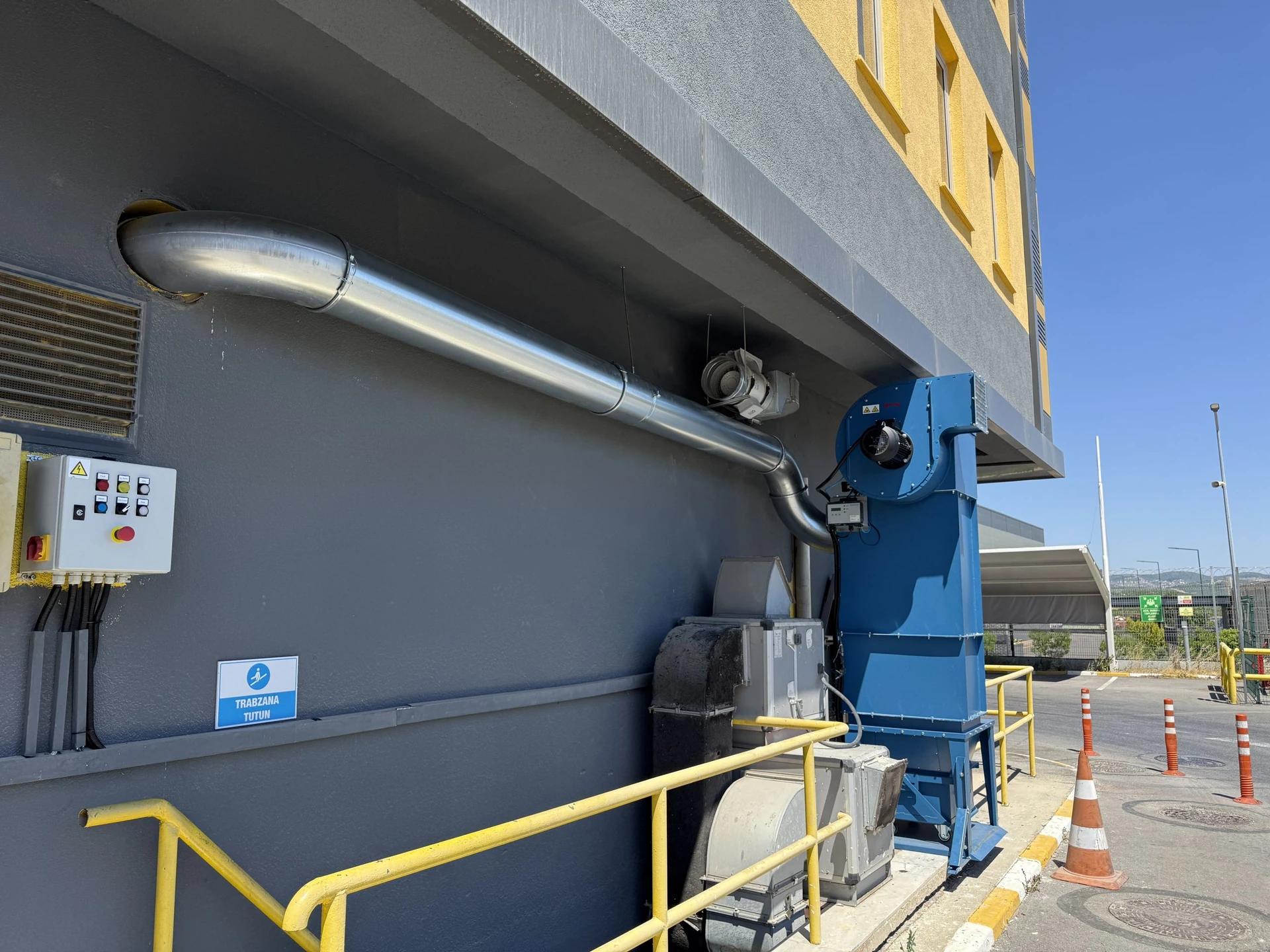
Filter elements are not assessed in isolation. The fan, motor, automatic cleaning, controls and ductwork are examined together. Pressure and airflow checks are carried out as appropriate and compared with operating conditions.
Filter selection is part of this work. Dry dust, oil aerosol, sticky particles and combustible dust may require different media and construction. Checking the model and part number helps prevent incompatible replacements.
What We Did On A Maintenance Visit
In a dust collection refurbishment recorded in our project archive, reduced extraction and frequent filter loading were reported even though the unit was running. The assessment considered filter resistance and system pressure losses. Filters were replaced with suitable elements, and deposits were removed from the extraction line.
We follow three steps: measure, carry out the work, then check performance again. Comparing results with the facility’s own operating data makes the effect of maintenance visible.
Three Points For Regular Monitoring
1. Pressure Readings Across The Filter
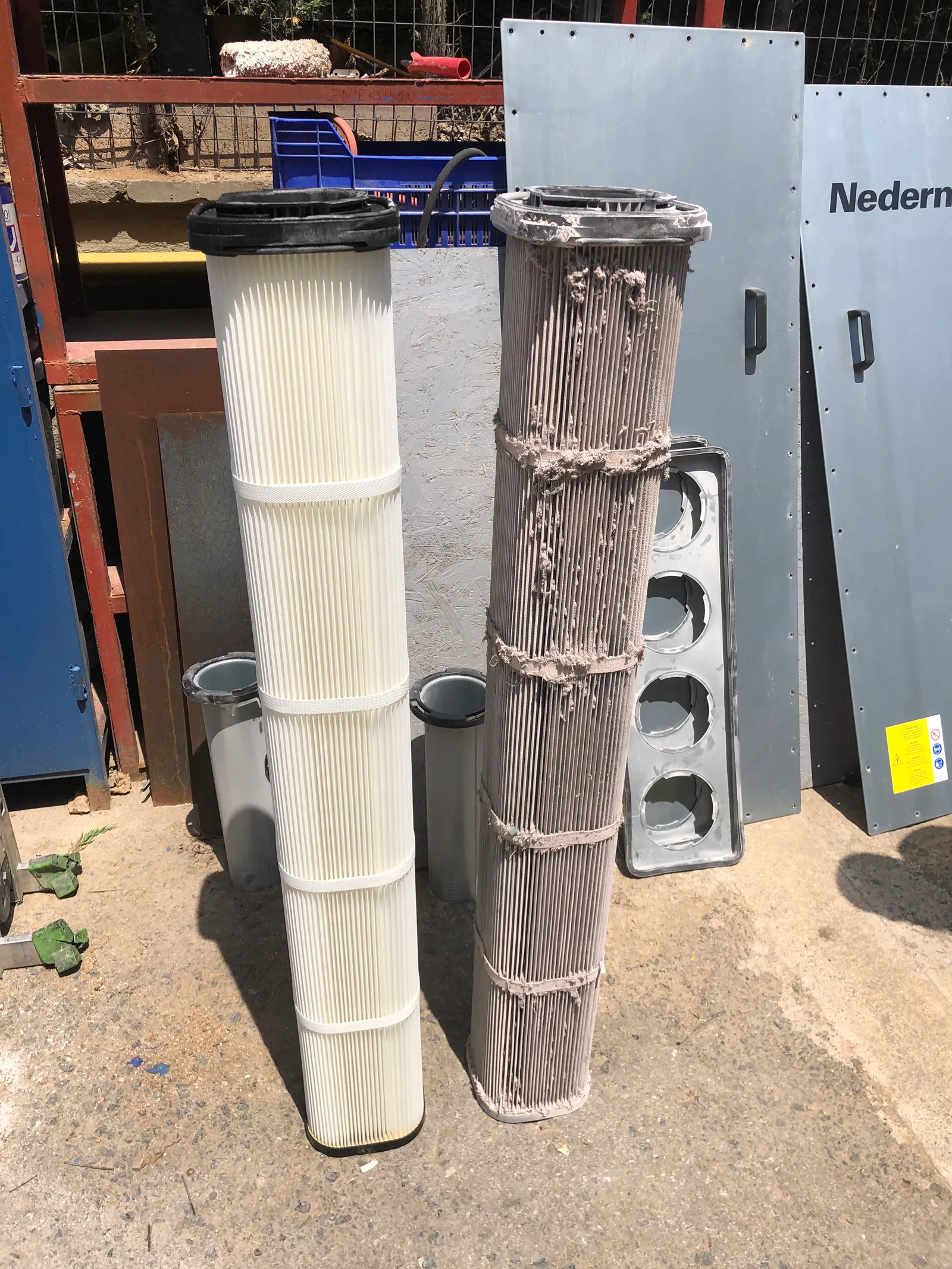
The difference between pressure readings before and after the filter helps track how much it has filled. Readings should be compared with the manufacturer’s operating range and the system’s normal history. The indicator or sensor itself also needs to be checked.
2. Ductwork And Leaks
Leakage, unsuitable connections and deposits inside ducts can affect performance at the capture point. Duct routes and connections should be rechecked, particularly following system modifications.
3. Choosing A Suitable Filter
Matching the external dimensions of a replacement filter is not enough. Media, surface area, sealing and process suitability also matter. Required safety features are checked against equipment and application documentation.
Which Systems Do We Support?
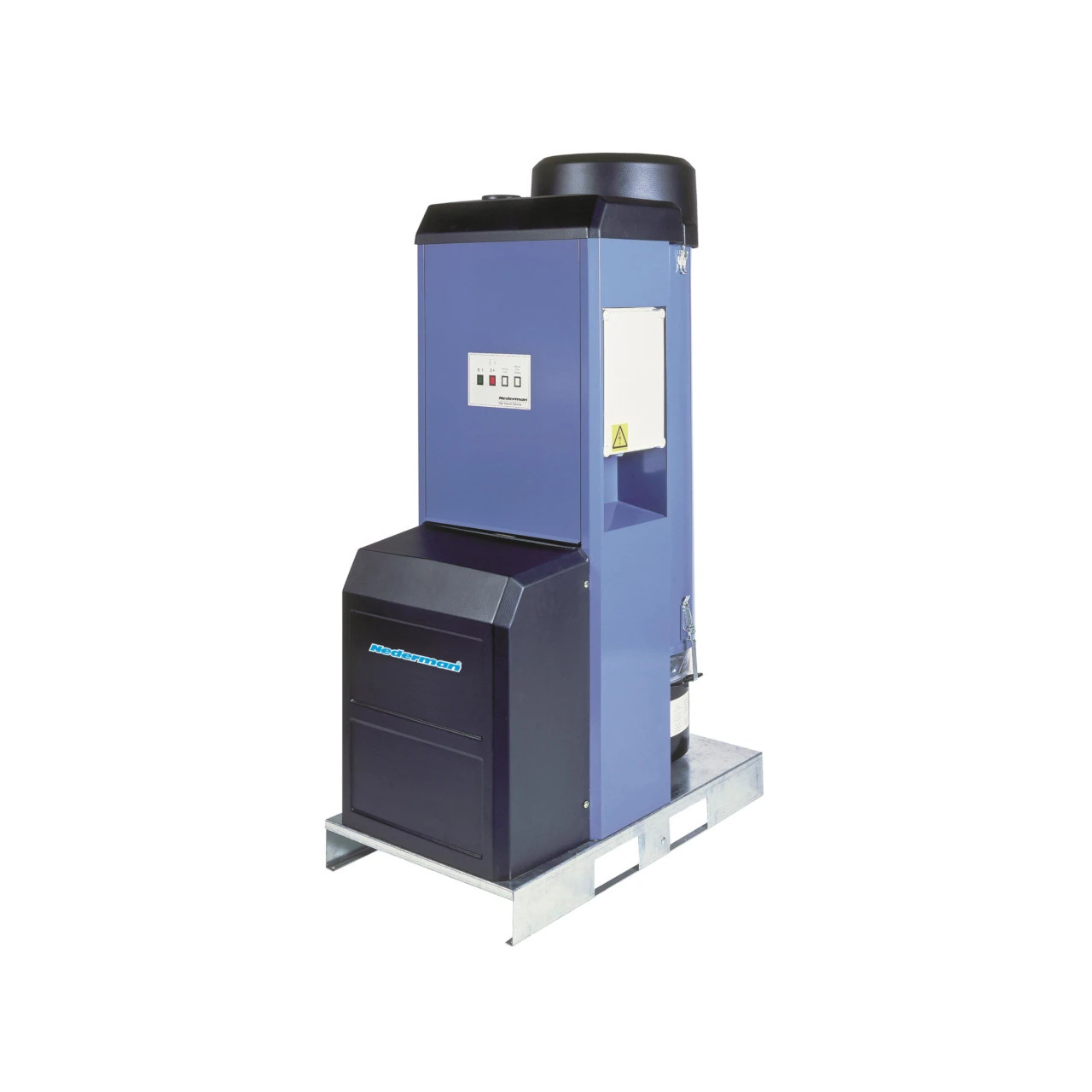
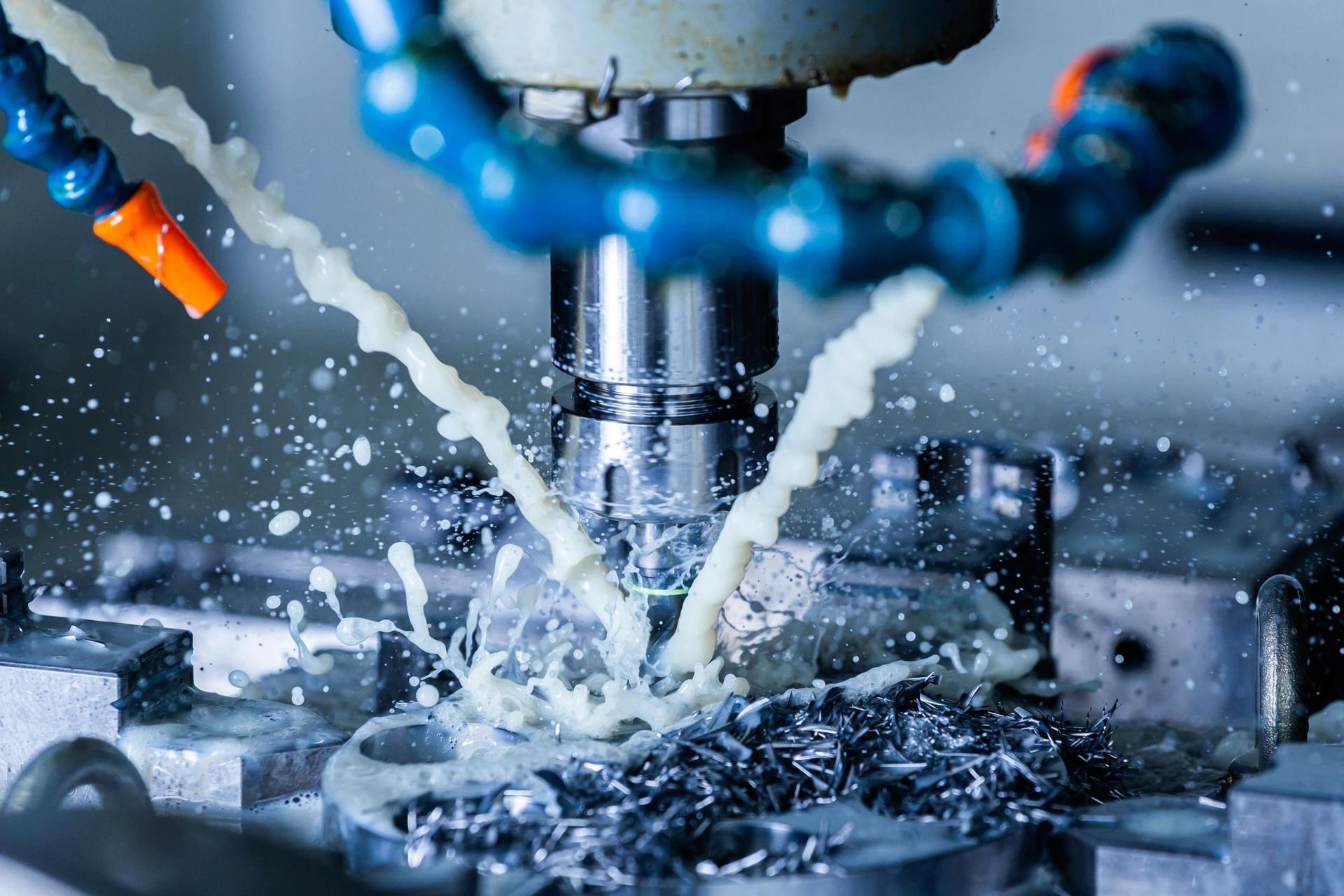
- Oil mist and smoke: Filter replacement, drainage checks, duct cleaning and performance assessment for FibreDrain and EMIST, OSF and OMF series systems.
- Mobile dust and fume: Cartridge, cleaning-mechanism and motor checks for FilterBox and FilterCart units.
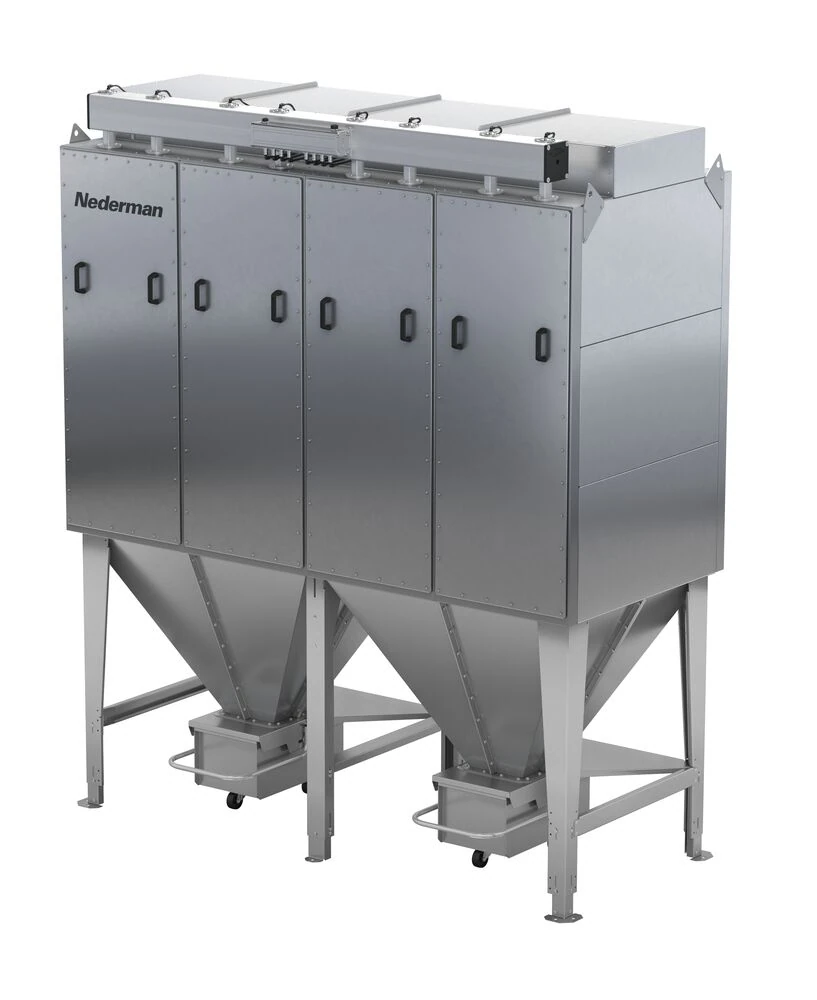
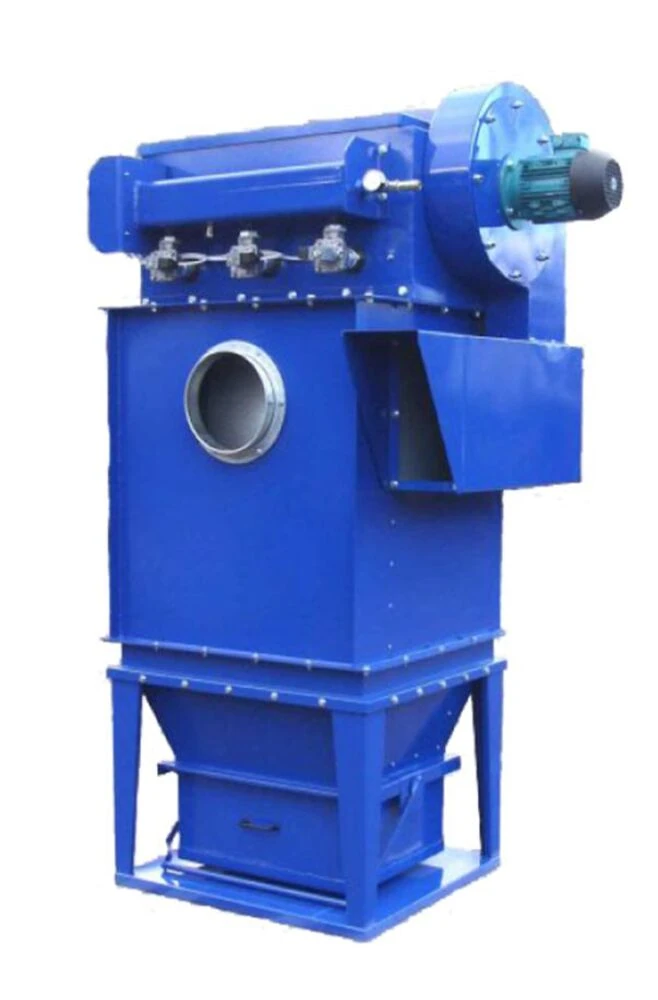
- Central dust collection: Filter and pulse-jet maintenance for FMC, FMK, MCP, LCP, MJC Mini and AUTO M30 applications.
- High vacuum: Filter, motor, control-unit and line-integrity assessment for FlexFilter, FlexPAK, VAC20 and E-PAK systems.
- Extraction arms: Mechanical adjustment, hose replacement and parts support for Original and NEX series arms.
- Safety equipment: Inspection and maintenance support appropriate to equipment requirements in ATEX applications.
Signs That Service May Be Needed
Reduced airflow at the capture point, unusual noise or vibration, persistent differential-pressure warnings, oil leakage and changing odours can indicate a need for investigation. No single symptom should be treated as a definitive diagnosis; the system needs to be assessed as a whole.
For oil mist units, drainage, seals and filter seating form part of the inspection. For high-vacuum systems, motor and line performance are considered together.
How Is The Maintenance Interval Set?
BMT Teknik’s general approach is to plan six-month checks and an annual comprehensive review according to operating intensity. Manufacturer instructions, process risk and site indicators may require more frequent maintenance. These intervals are not fixed legal periods for every item of equipment.
Support for older equipment is also assessed using its model and component information. Following service, system condition, work performed and recommendations for future maintenance are recorded in a technical report.
Explore our Nederman service and spare-parts capabilities or contact our service team.