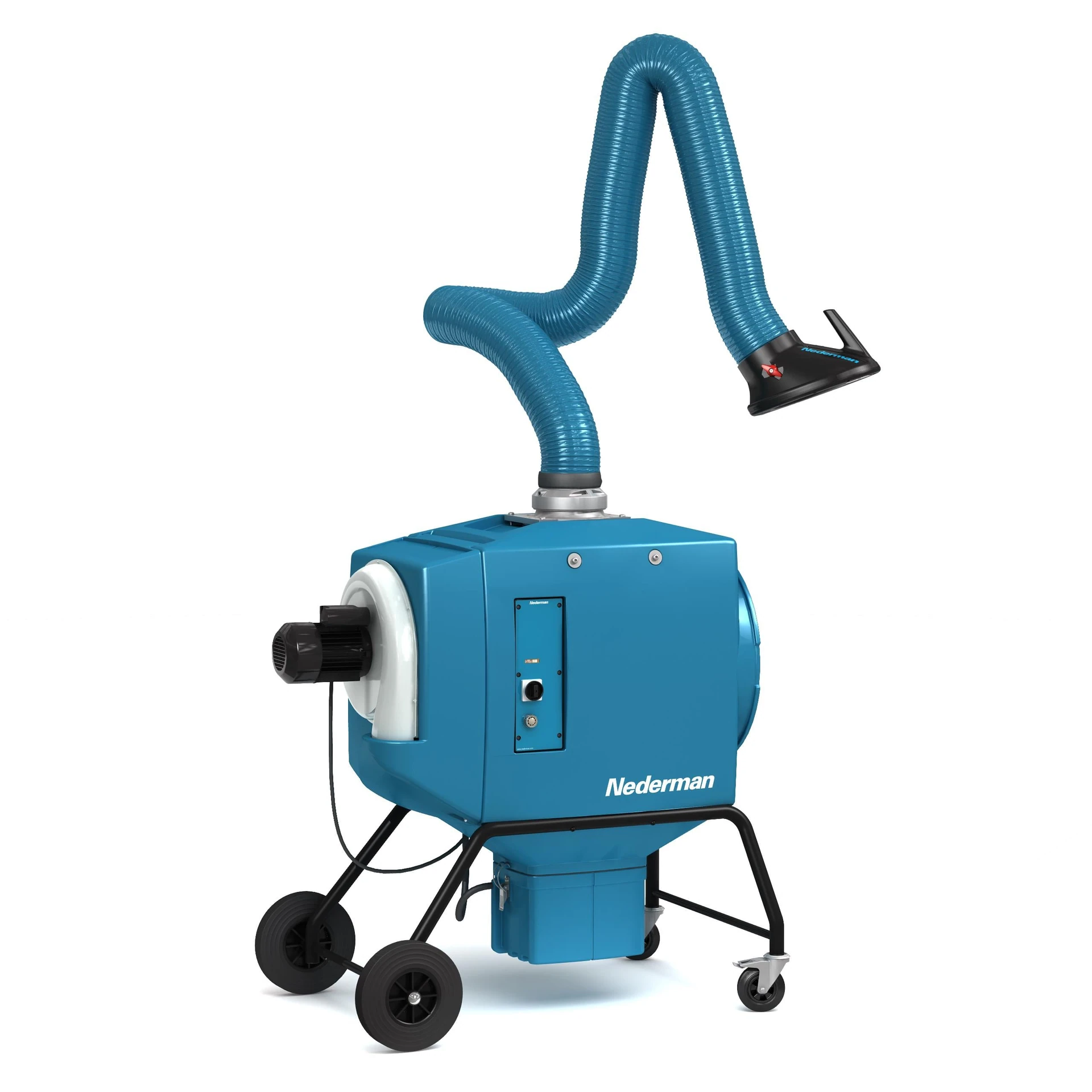
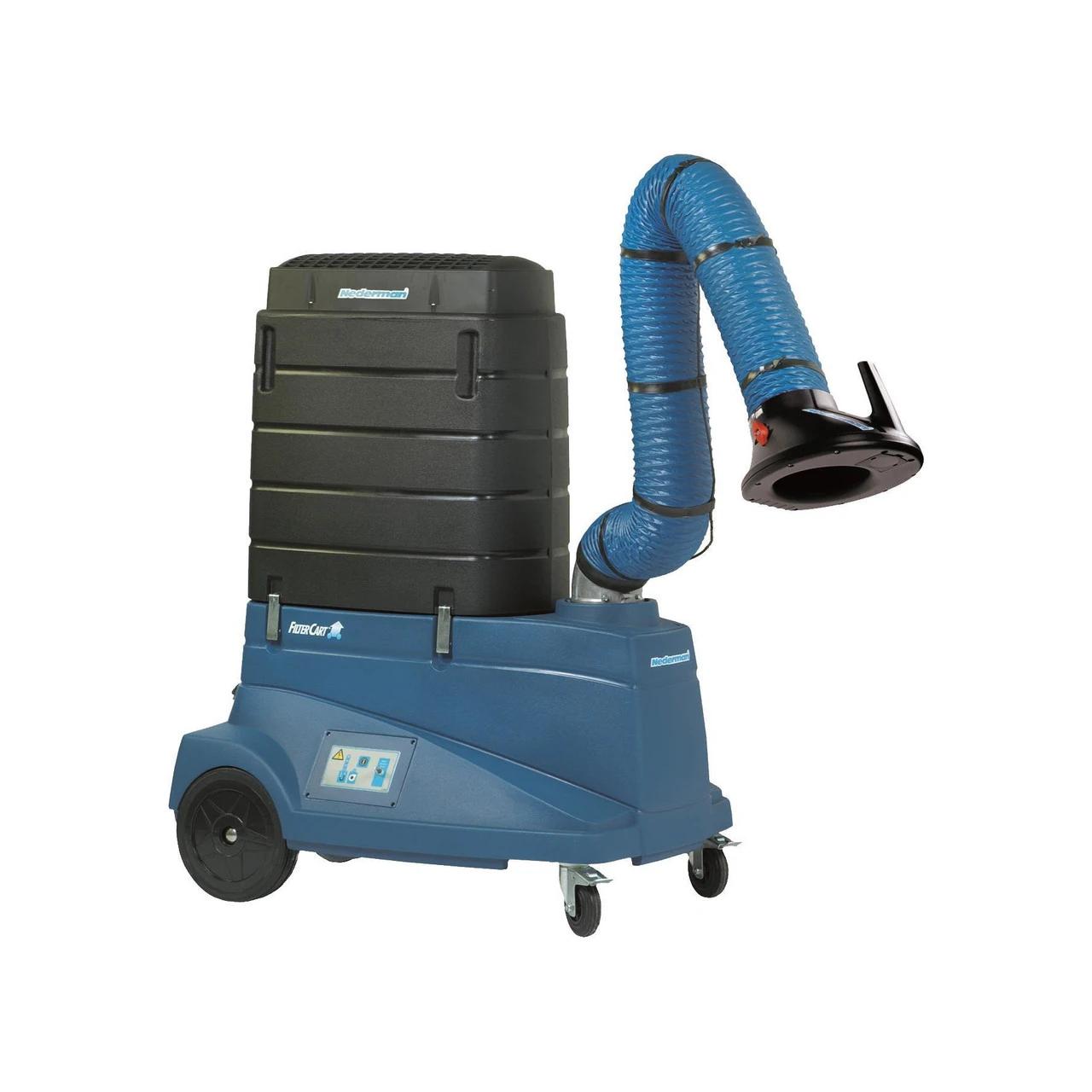
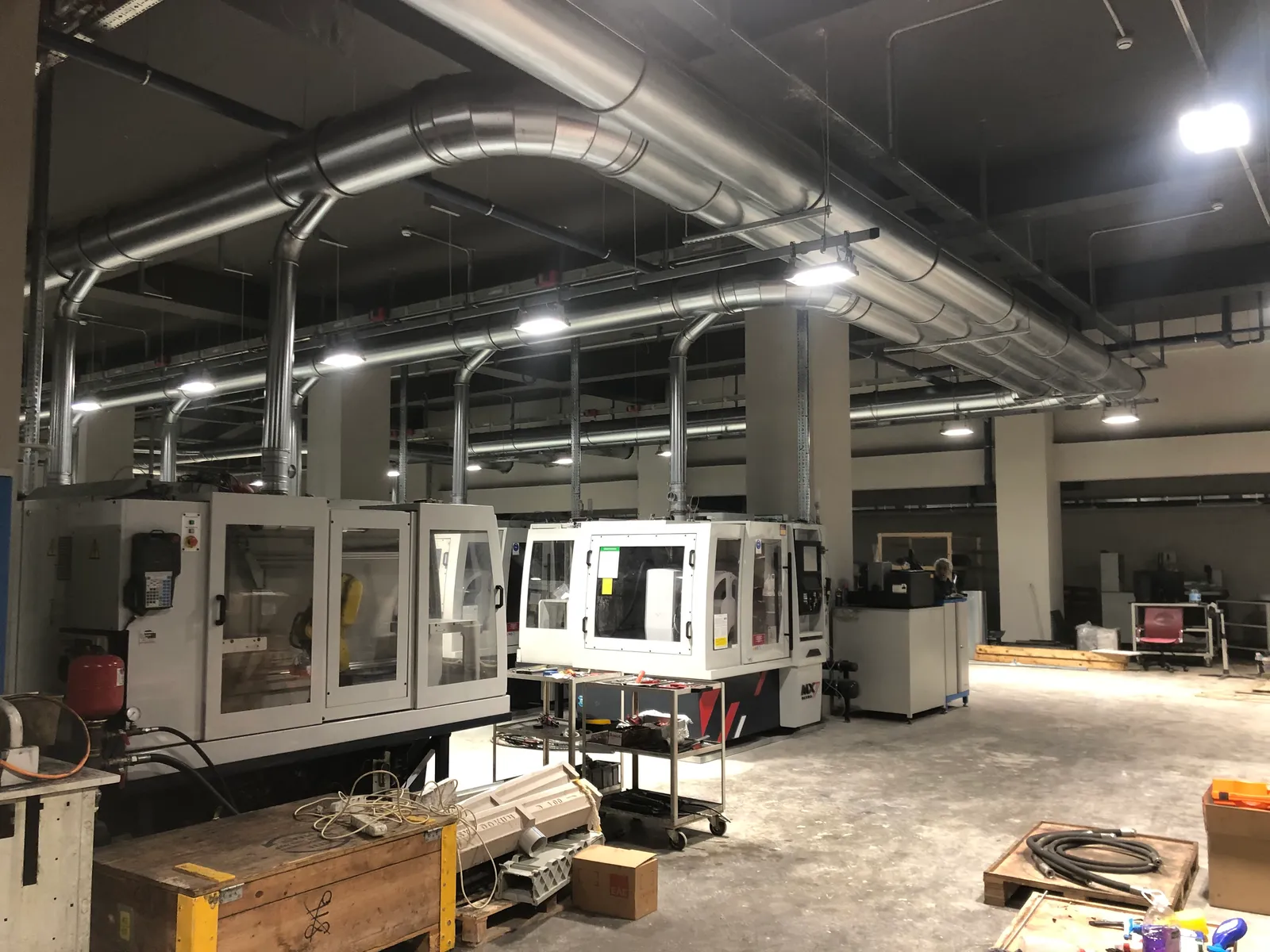
The decision depends on movement of the welding point, simultaneous stations and the material being welded. Mobile filters provide flexibility; fixed, continuously used stations may benefit from central extraction.
Decide Where To Capture The Fume
Welding fume contains contaminants determined by the parent metal, consumables and surface coatings. General workshop ventilation may not adequately control emissions in the welder's breathing zone. Local extraction aims to capture fume before it spreads.
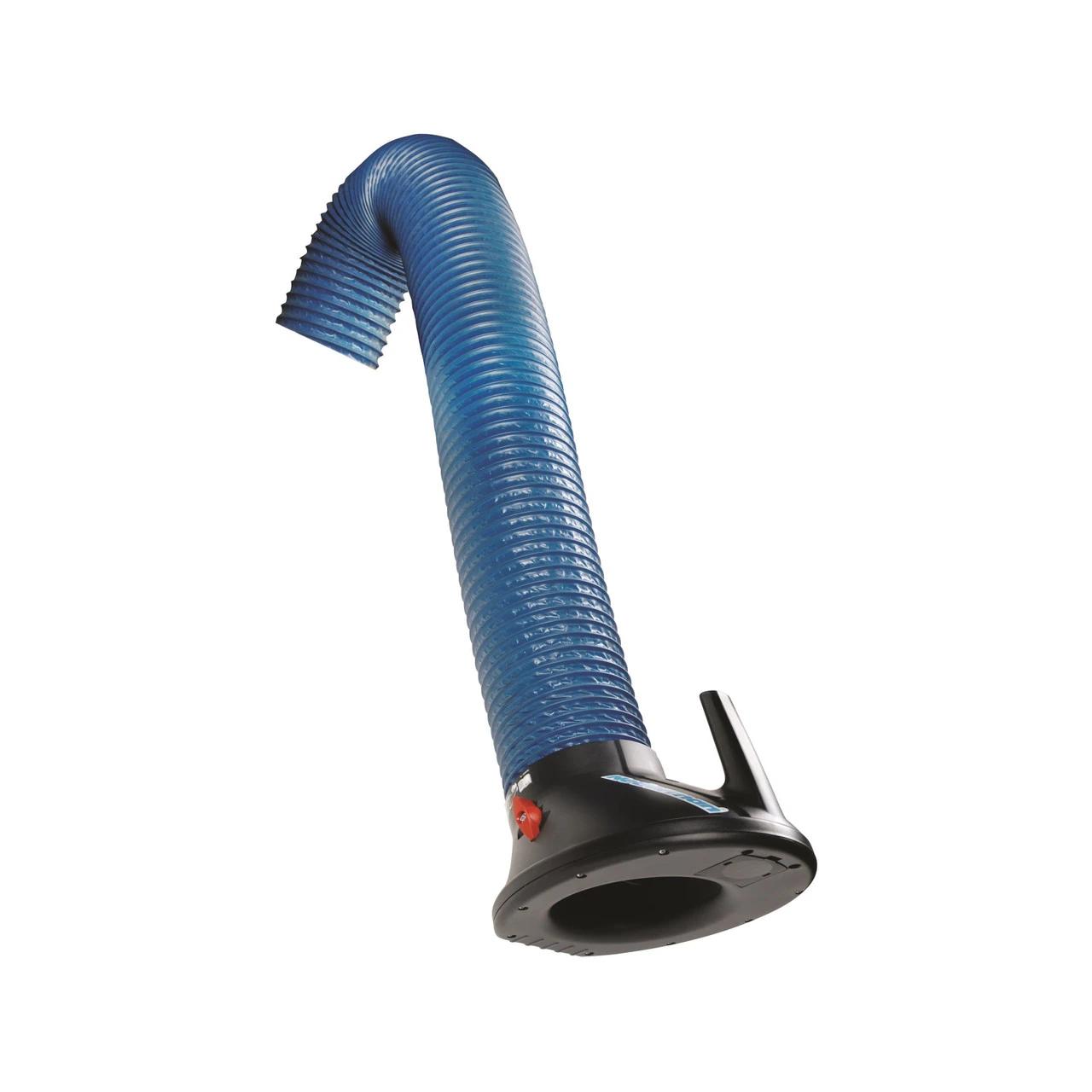
Access to the workpiece, operator movement and protection of the shielding gas are as important as hood position. There is no universal extraction-arm distance: follow the hood design and manufacturer's operating instructions.
Compare Four Approaches
| Approach | Typical starting point | What to check |
|---|---|---|
| Mobile filter | Moving manual welding positions | Access, filter capacity and hood position |
| Fixed arm | Defined workbench | Reach around the workpiece and positioning |
| Central system | Stations operating simultaneously | Duct losses, total airflow and maintenance access |
| On-torch extraction | A compatible extraction torch | Required high vacuum, ergonomics and shielding gas |
An extraction arm captures fume; a filter separates it. The fan and filtration arrangement connected to the arm must be selected as one system. Browse the product catalogue to compare these equipment groups.
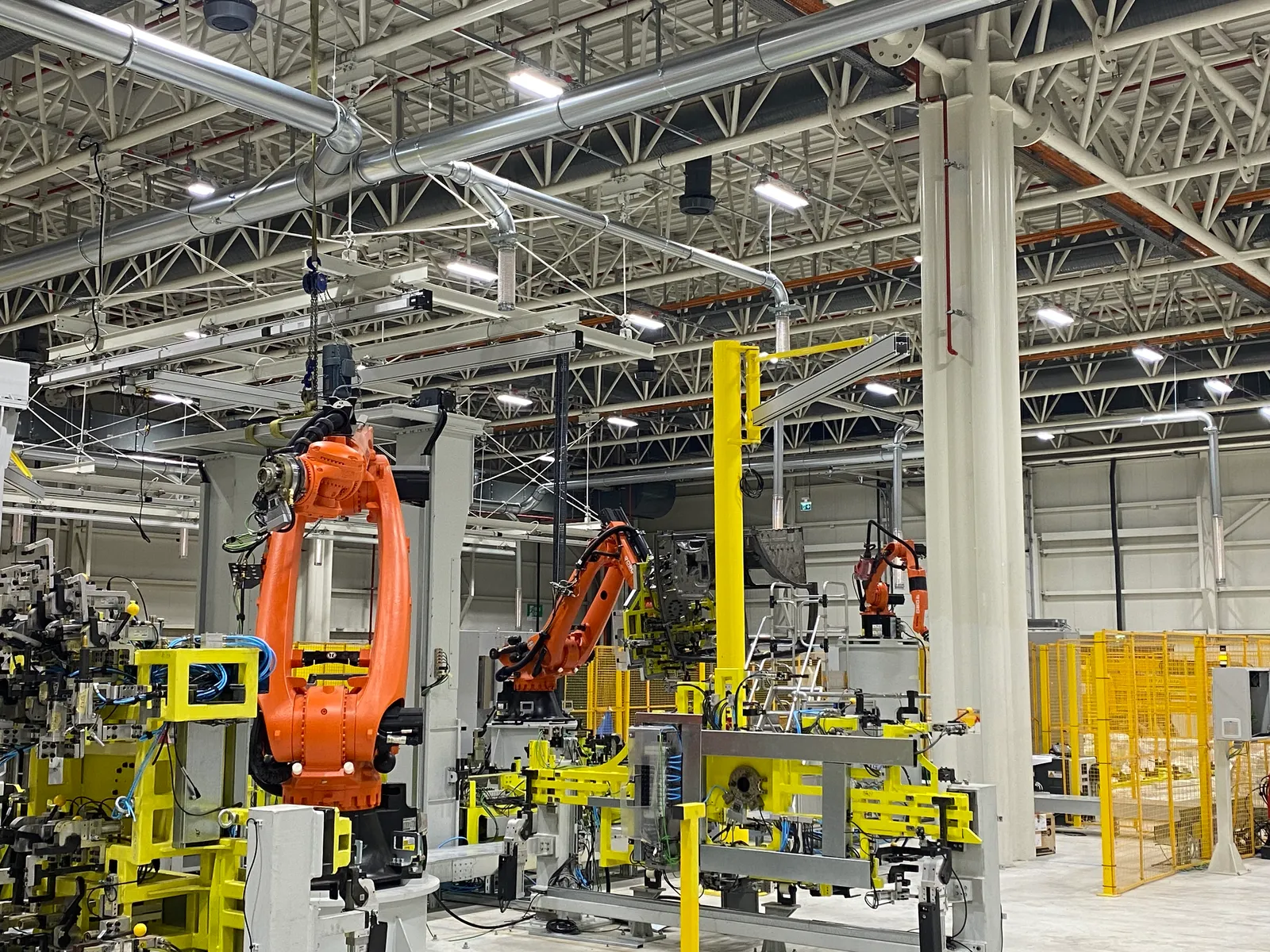
Robotic Welding And Cutting Need Their Own Design
Robot movement and openings for loading determine the extraction enclosure or hood geometry. Capturing fume within the cell can also reduce deposits on sensors and surrounding surfaces. Each cell may require a different airflow.
Plasma and laser cutting add dust load, sparks and potentially combustible material. Do not assume a welding filter suits every cutting process. The welding and cutting solutions page compares processes.
Filtration And Returning Air Indoors
Select media, cleaning method and capacity for the process. Check the scope of equipment certification against the material and operating conditions. Automatic cleaning does not eliminate eventual filter replacement.
Returning filtered air indoors requires assessment of contaminants and workplace risks. The absence of visible fume is not evidence of adequate control. Maintenance should include capture-performance measurements as well as inspection of filters and seals.
Prepare These Details Before Requesting A Quote
Share the welding method, material and coatings, station count, shift duration, workpiece dimensions and layout. Photographs of an existing arm or hood help clarify connections. The product finder identifies initial product groups; final selection depends on site data.