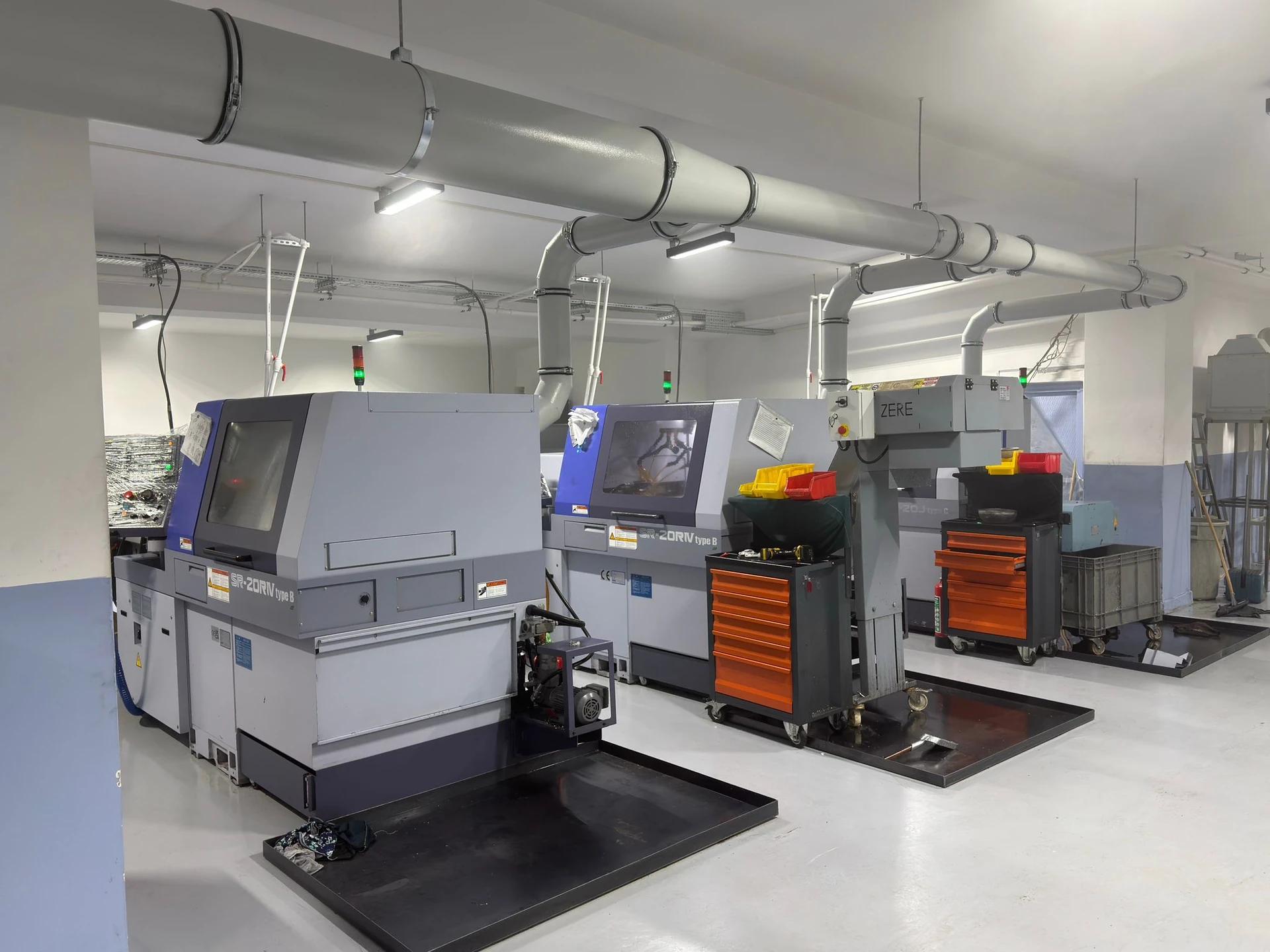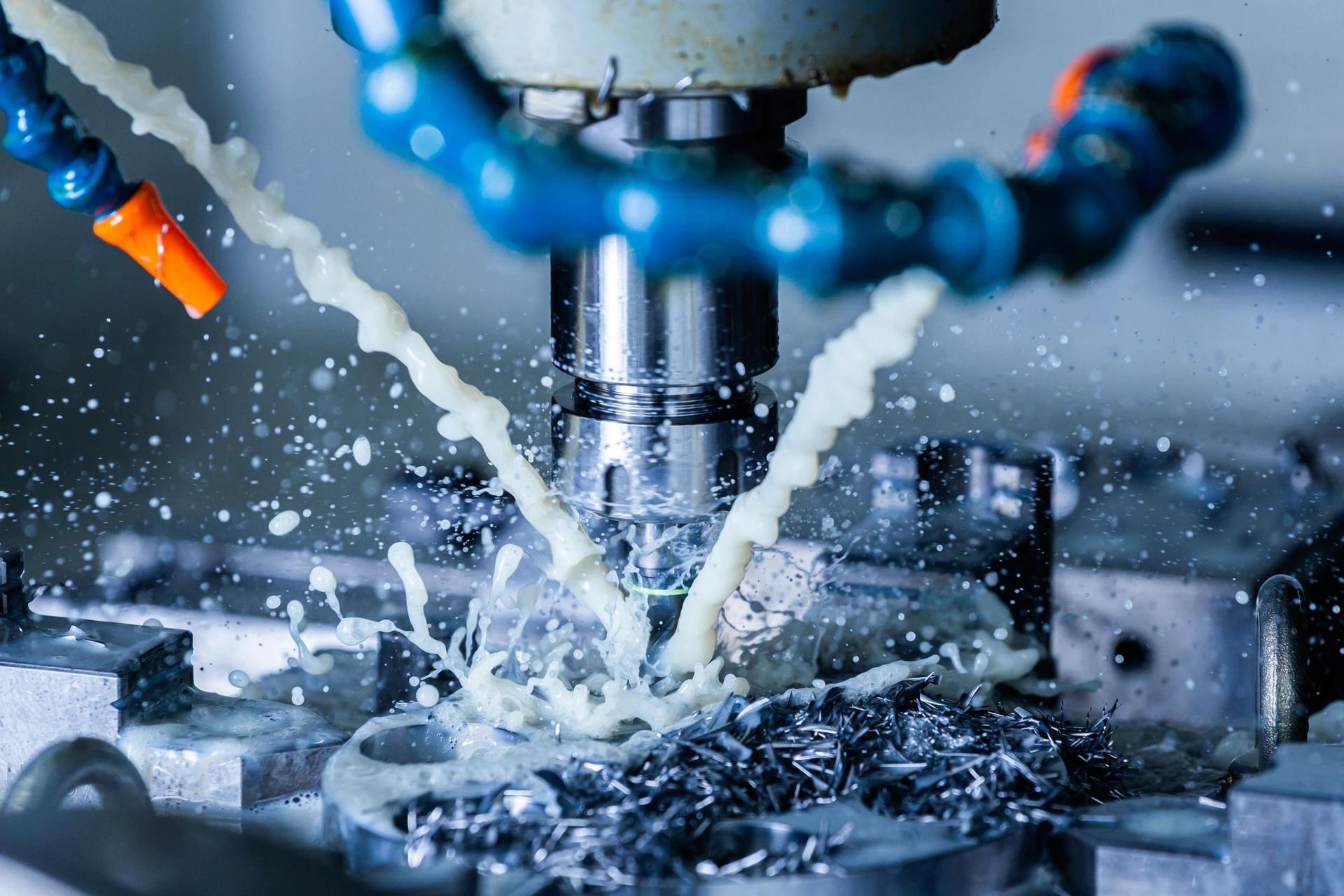
CNC control boards, cooling systems and sensors need to stay clean. Oil droplets collecting on these parts can increase cleaning and maintenance needs.
Collecting oil mist where it is produced helps reduce worker exposure and protect equipment. When choosing filtration, look at the work being done and the machine’s maintenance history as well as visible haze.
Oil Deposits And Heat In Electronics
If control-cabinet cooling fans draw workshop air, airborne droplets can enter the cabinet. Oil deposits combined with dust can affect component cleanliness and heat transfer. Electrical problems may also occur depending on the contaminant and the equipment’s protection.
Rather than attributing every electronic fault to oil mist, inspect cabinet filters, seals, fans and environmental conditions together. Filtration supports the machine manufacturer’s maintenance instructions; it does not replace them.
What Does A Machine Breakdown Cost?
A breakdown costs more than the replacement circuit board. Diagnosis, sourcing parts, service visits and restarting the machine also affect the production schedule. Repeated cabinet contamination or electronic maintenance is therefore a useful reason to check the extraction system.
Downtime records, filter-maintenance history and site observations make improvements easier to evaluate. Instead of assuming a universal saving, compare results against the facility’s own operating data.
Optical Sensors And Mechanical Precision
An oil film on glass scales and optical sensors can interfere with their operating conditions. Fine chips and dust combined with oil can also create unwanted deposits on moving surfaces.
Appropriate extraction from the machine enclosure helps limit the spread of this contamination. Sensor cleaning and protection should continue in accordance with the machine manufacturer’s instructions.
Include Running Costs In Your Budget
Evaluate the following alongside the initial purchase price:
- Required airflow and the fan operating point.
- Filter-element life, replacement costs and maintenance access.
- Duct pressure losses and leakage.
- Operating hours and energy consumption.
- Whether separated fluid is suitable for recovery.
- The business cost of downtime and machine cleaning.
Systems with variable-speed fans or appropriate motor controls can match airflow demand to energy use. These features should be checked for the selected model rather than assumed to be standard on every unit.
Recover Captured Fluid
Coalescing filters allow small droplets to combine and drain away. Depending on the application, the separated liquid can be directed to a recovery reservoir or a machine tank.
Reuse depends on contamination levels, production requirements and the machine manufacturer’s recommendations. An unobstructed, correctly connected drain line is an important part of system operation.
Choose A Filter For Your Machine
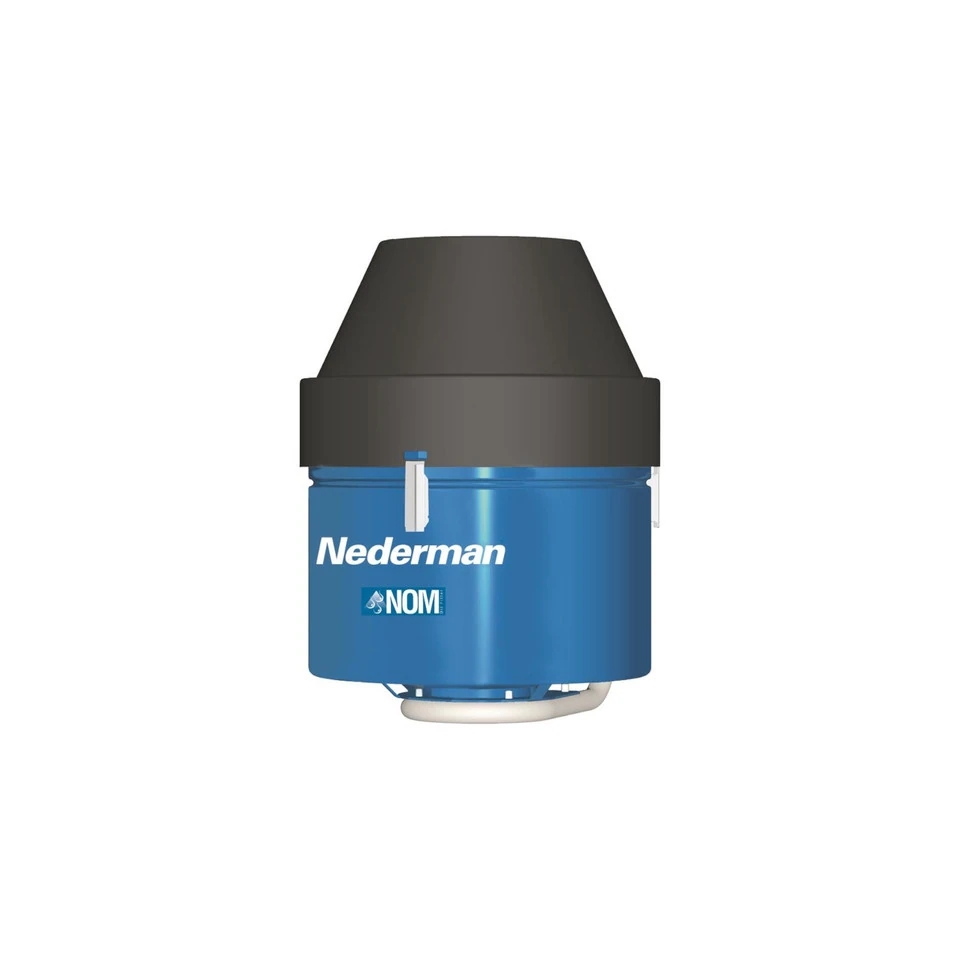
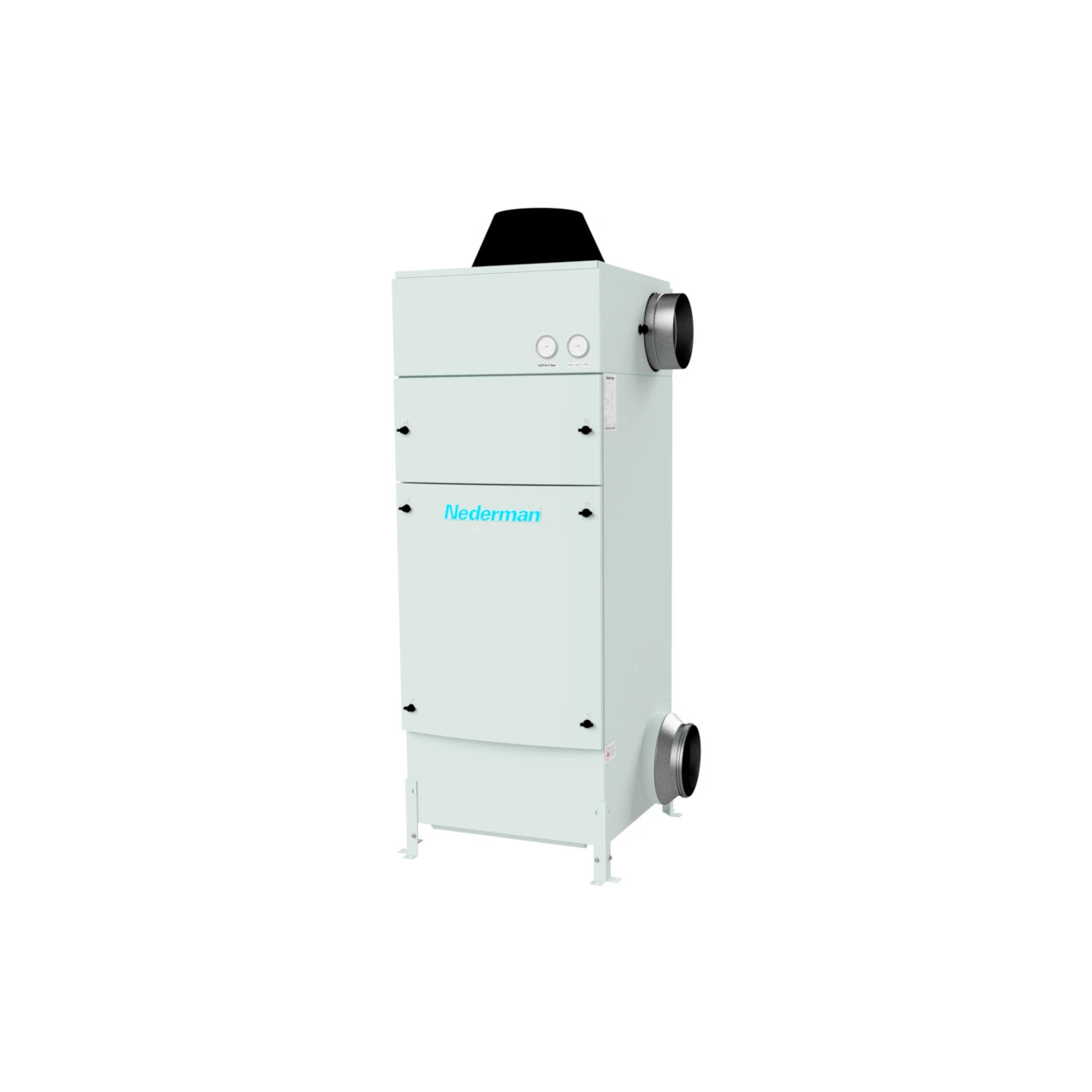
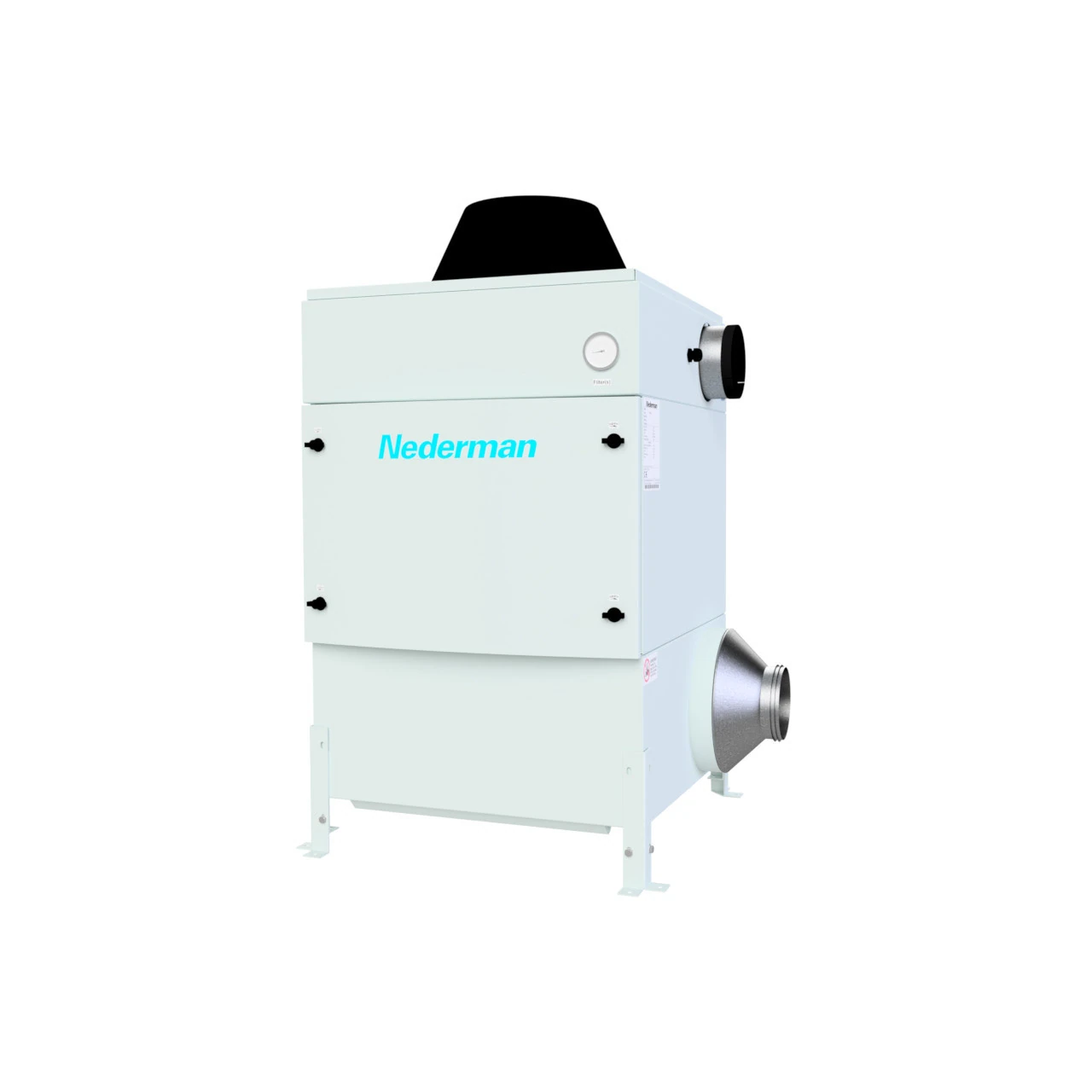
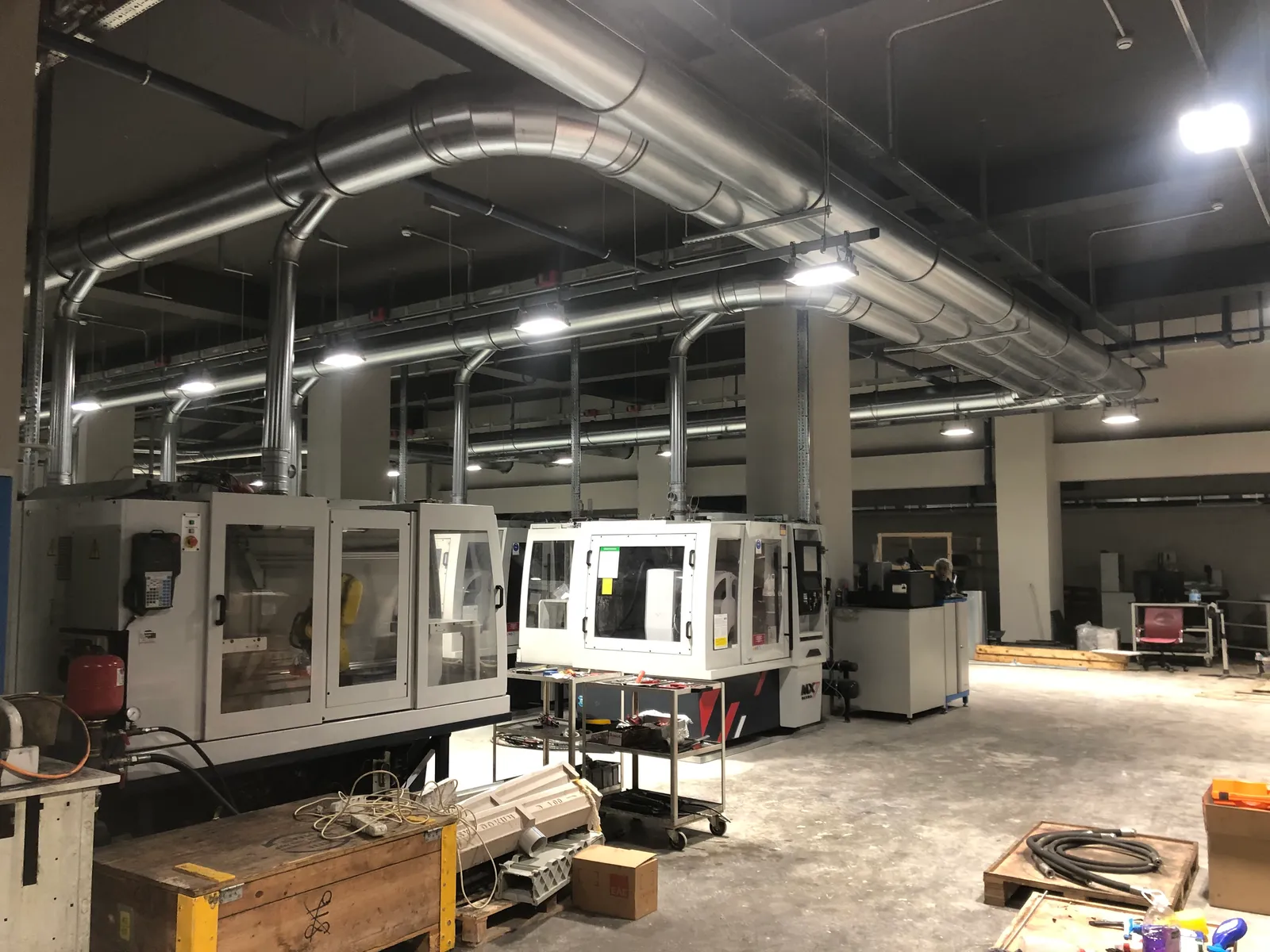
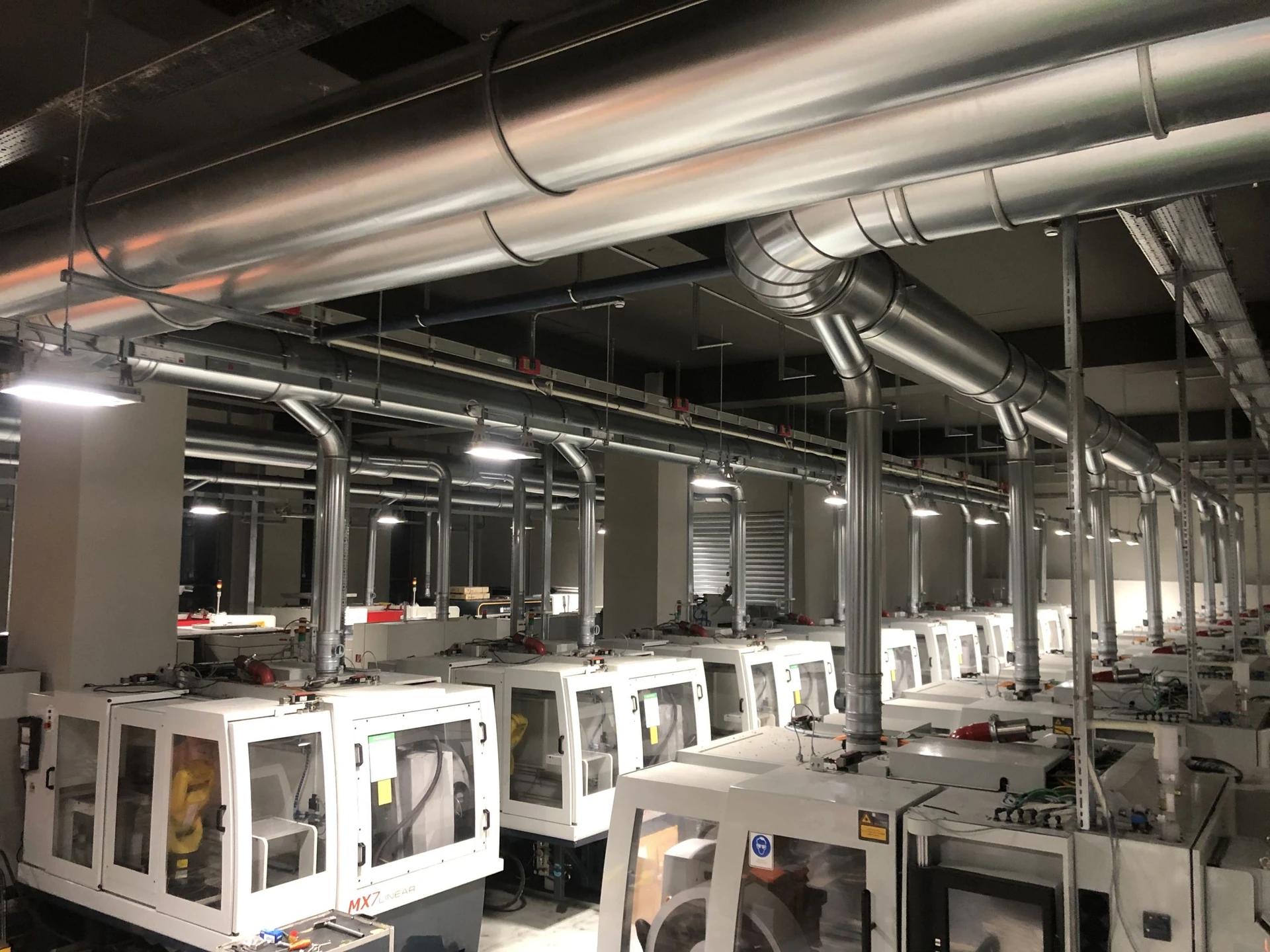
Individual enclosed machines and central systems serving several machines have different requirements. Capacity for oil mist systems such as the EMIST series is selected according to enclosure volume, fluid type, operating intensity and the type of mist and smoke produced.
For metalworking applications, BMT Teknik assesses site conditions to determine suitable filtration and ductwork. Contact our technical team to review your existing installation together.