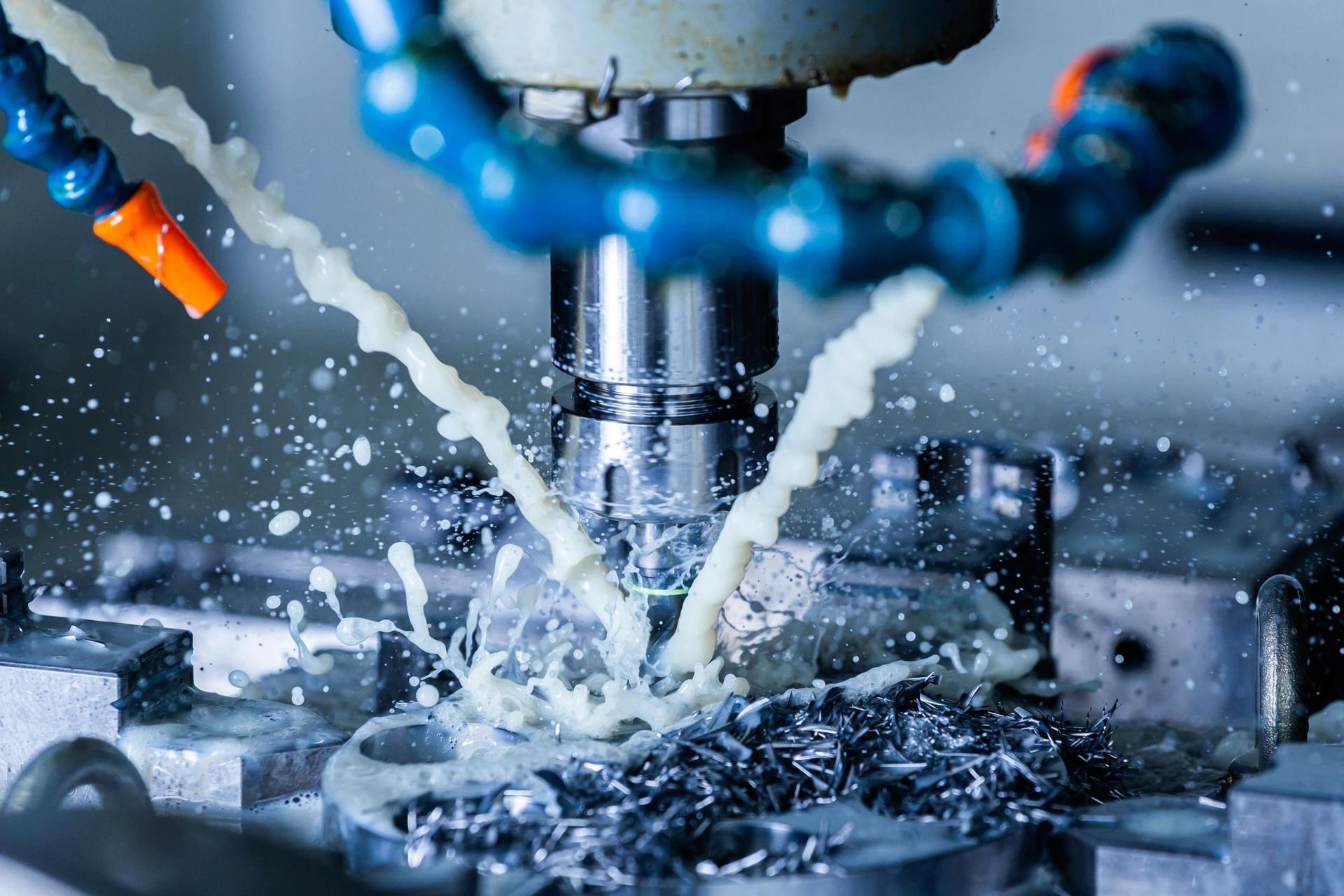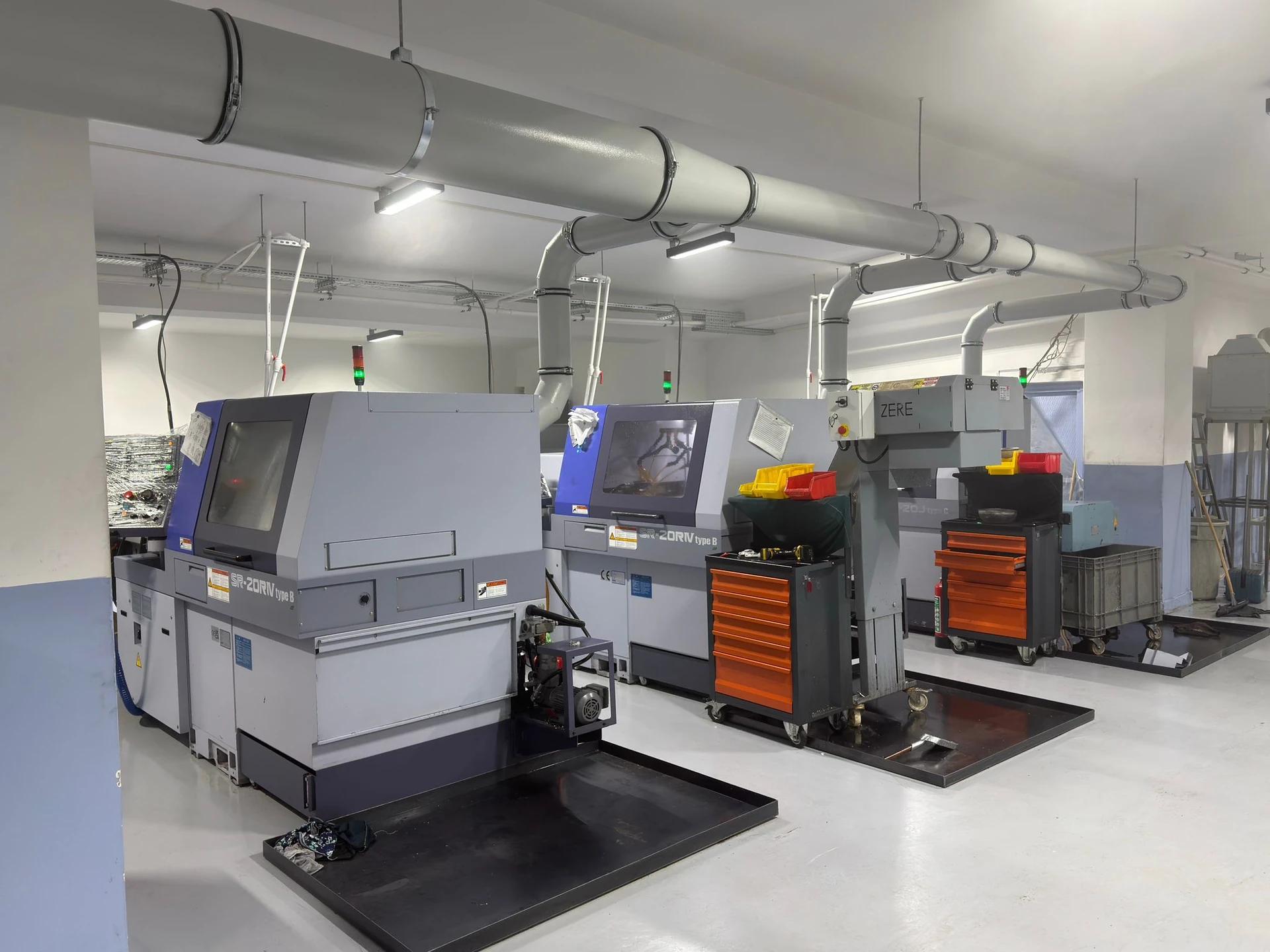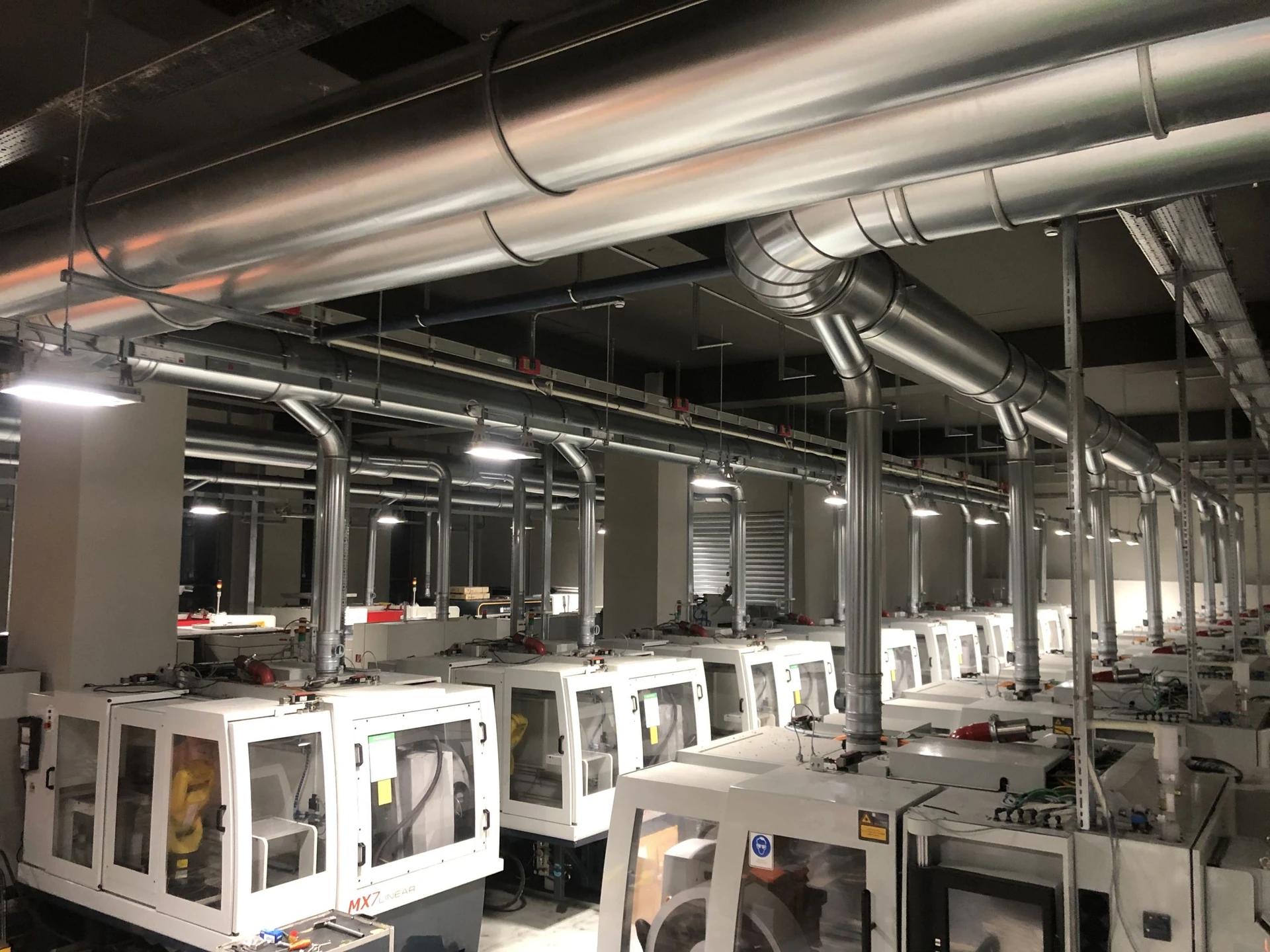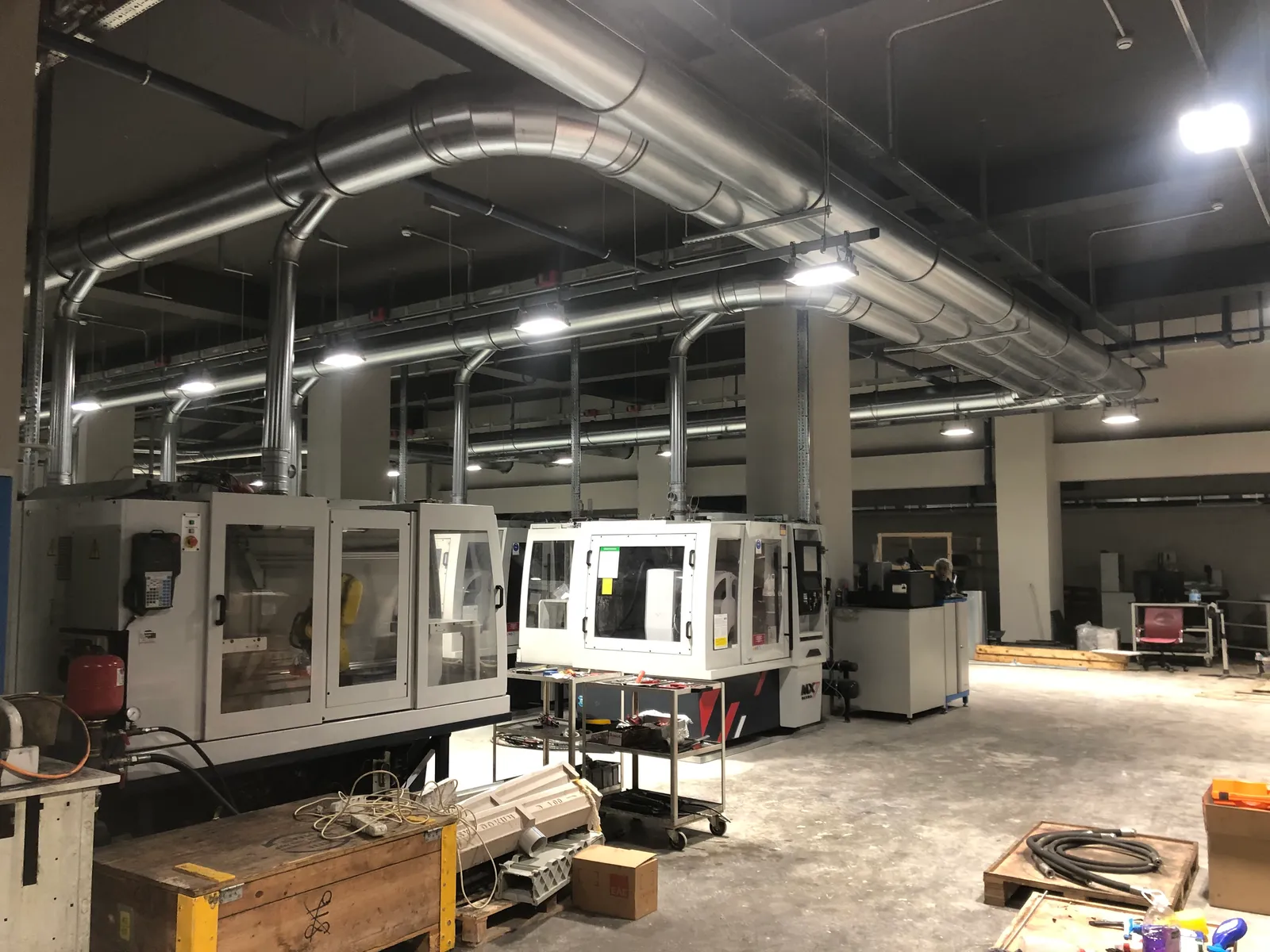
Cooling and cutting fluids used in metalworking can become airborne as droplets or smoke under certain operating conditions. Mist escaping from a machine enclosure, oil deposits on surfaces and increasing cleaning requirements may indicate that extraction needs reviewing.
When choosing a filter, check the type of mist and smoke, the fluid being used, extraction points and maintenance needs, as well as visible haze.
Which Tasks Produce Oil Mist?
CNC turning and milling: Coolant striking a rotating workpiece or tool can break into small droplets. Speed, fluid pressure and delivery method influence the aerosol produced.
Grinding: Friction and heat can produce a mixture of oil droplets and fine metal particles. Wet and dry grinding do not always suit the same filtration approach.
Deep-hole drilling and threading: High-pressure fluid supplied to confined cutting areas can generate aerosols through splash-back and heat. Contaminated air should be cleared before the enclosure is opened.

Oil Mist And Oil Smoke
Oil mist is commonly produced by the mechanical breakup of a liquid into droplets. Oil smoke can form when oil is heated and may contain finer particles. Mist and smoke can occur together; appearance alone cannot reliably identify them.
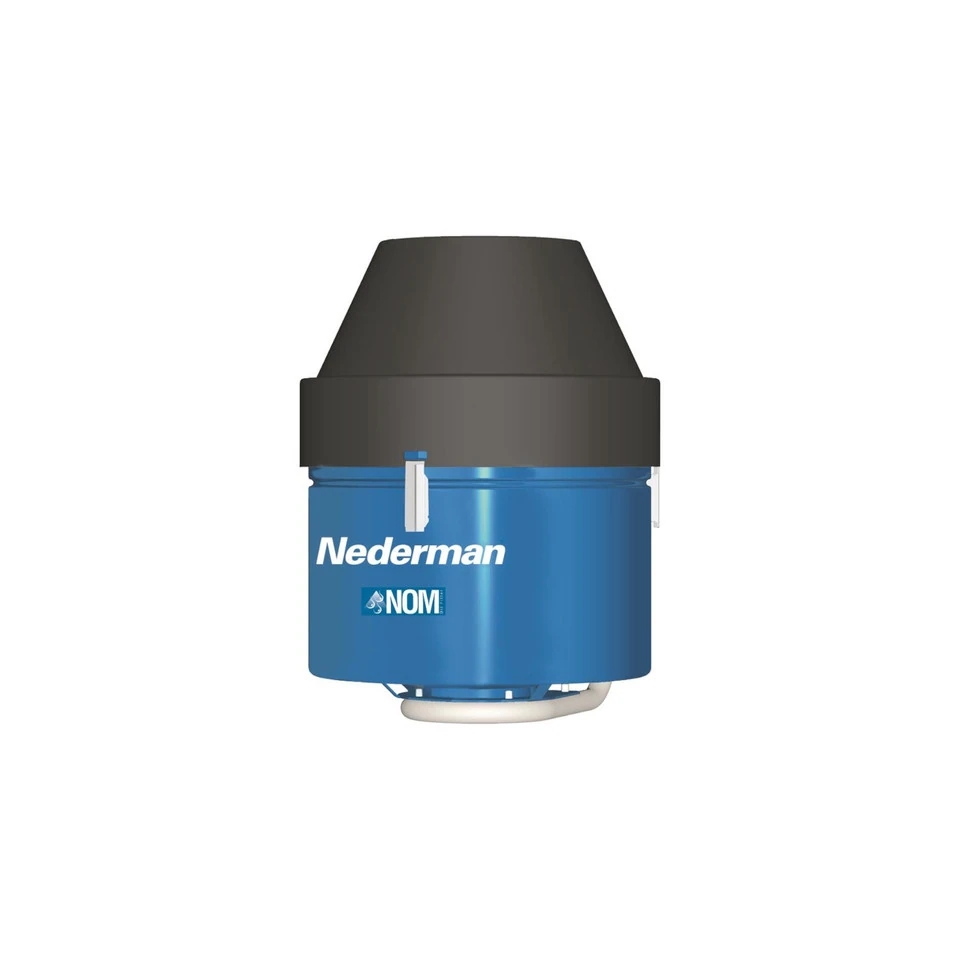
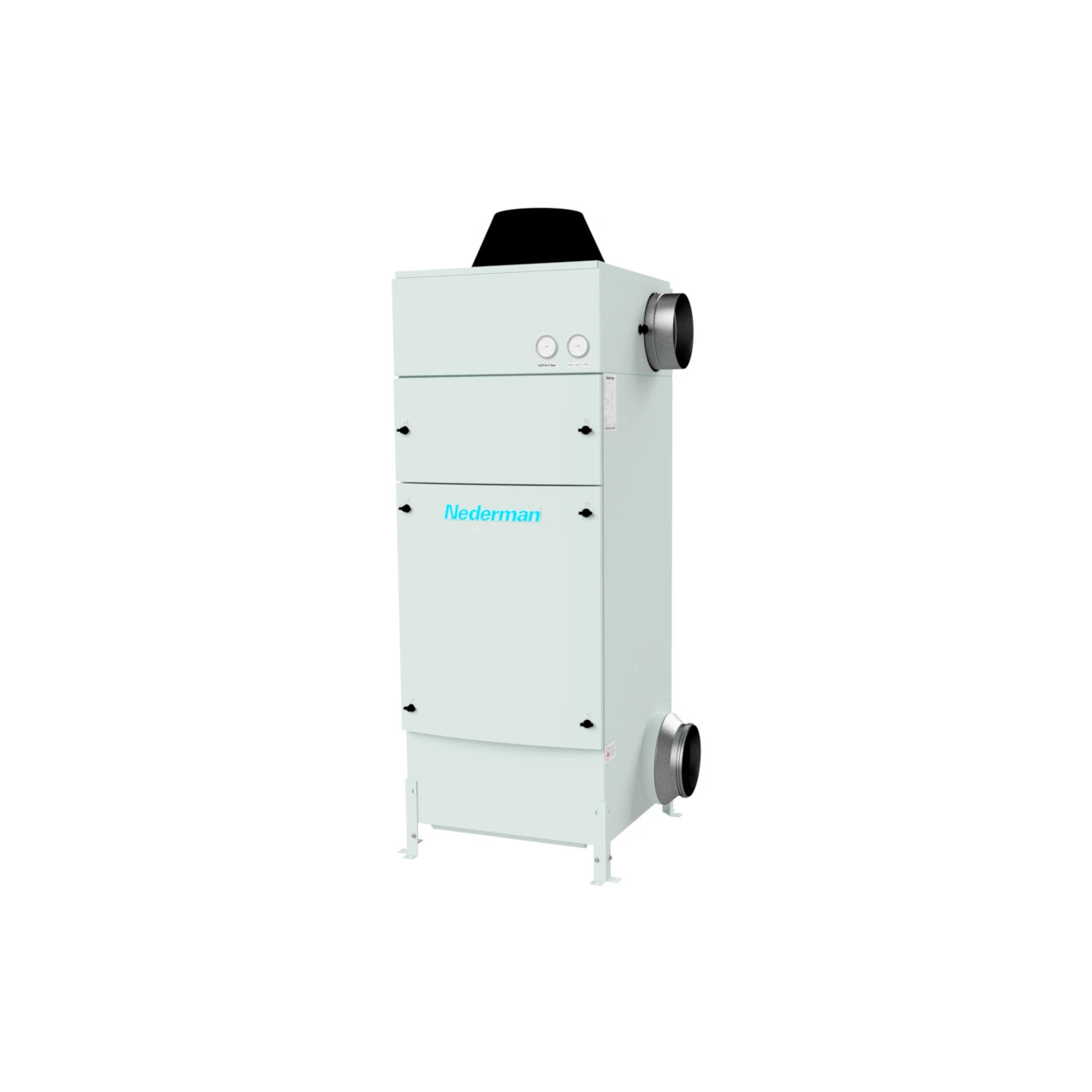
The distinction affects filter media, stages and capacity. Coalescing filters combine droplets so they can drain away. Finer particles may require an appropriate final filtration stage. Filter class and system performance should be assessed against the selected product’s documentation.
Oil Mist
Small droplets released into the air when fluid sprays or splashes.
Oil Smoke
Finer particles that can form when oil is heated.
Five Steps To Control Oil Mist
1. Capture At Source
Extract emissions from the machine enclosure before they spread through the workshop. Connection position, enclosure leakage and the clearance period before opening doors should be considered together. General ventilation is not automatically a substitute for source extraction.
2. Appropriate Filtration And Drainage
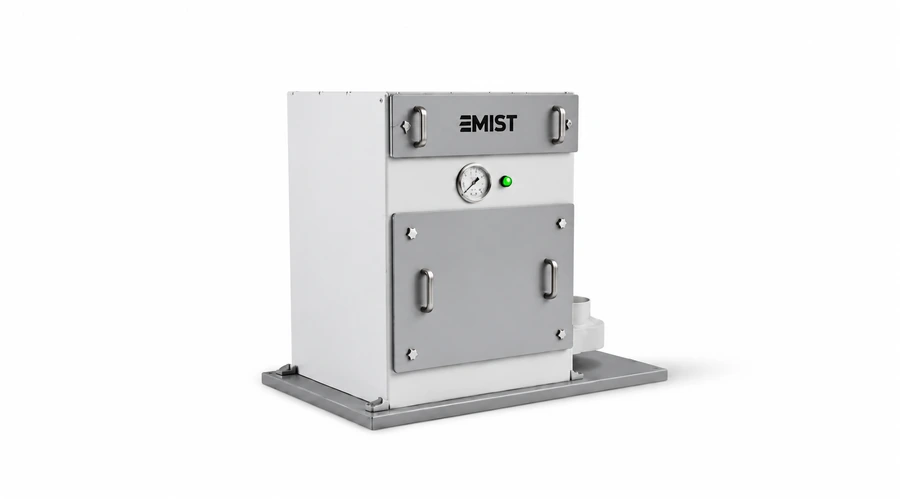
Do not choose a filter on nominal airflow alone. Fluid type, aerosol loading, particle characteristics and operating hours also matter. Drain lines need appropriate connections and routing, with checks for blockage and leakage.
3. Fluid Choice And Machine Settings
Metalworking-fluid selection, concentration and maintenance affect both process performance and aerosol formation. Consider fluid-supplier and machine-manufacturer recommendations together.
4. Operator Training
Operators should understand enclosure-opening procedures, extraction-system indicators and signs of faults. Equipment use, cleaning and personal protective equipment should be addressed through the workplace risk assessment.
5. Maintenance And Performance Monitoring
Monitor differential pressure, extraction performance, duct integrity and fluid drainage. Filter-replacement decisions should be based on manufacturer instructions and actual operating conditions, as well as the maintenance schedule.
Measurement And Compliance Assessment
Odour or visible haze does not measure exposure. The appropriate assessment depends on the chemicals used, the aerosol and the work being carried out. A single limit should not be treated as universally applicable to every metalworking fluid or country.
OSHA’s metalworking-fluid guidance addresses source control, suitable ventilation and system maintenance together. Applicable requirements and measurement programmes in Türkiye should be determined with the facility’s relevant occupational-safety specialists.
Track Cleaning, Maintenance And Energy Costs
Oil deposits can affect machine cleaning, sensor maintenance and production downtime. Appropriate recovery of separated fluid may also improve resource use. Actual benefits should be established from the facility’s own measurements and operating data.
Returning filtered air indoors is not automatically appropriate for every application. Contaminants, filtration performance and applicable requirements must be assessed separately.
BMT Teknik provides technical support from site survey through maintenance planning for oil mist filtration and metalworking applications. Let’s assess your project together.