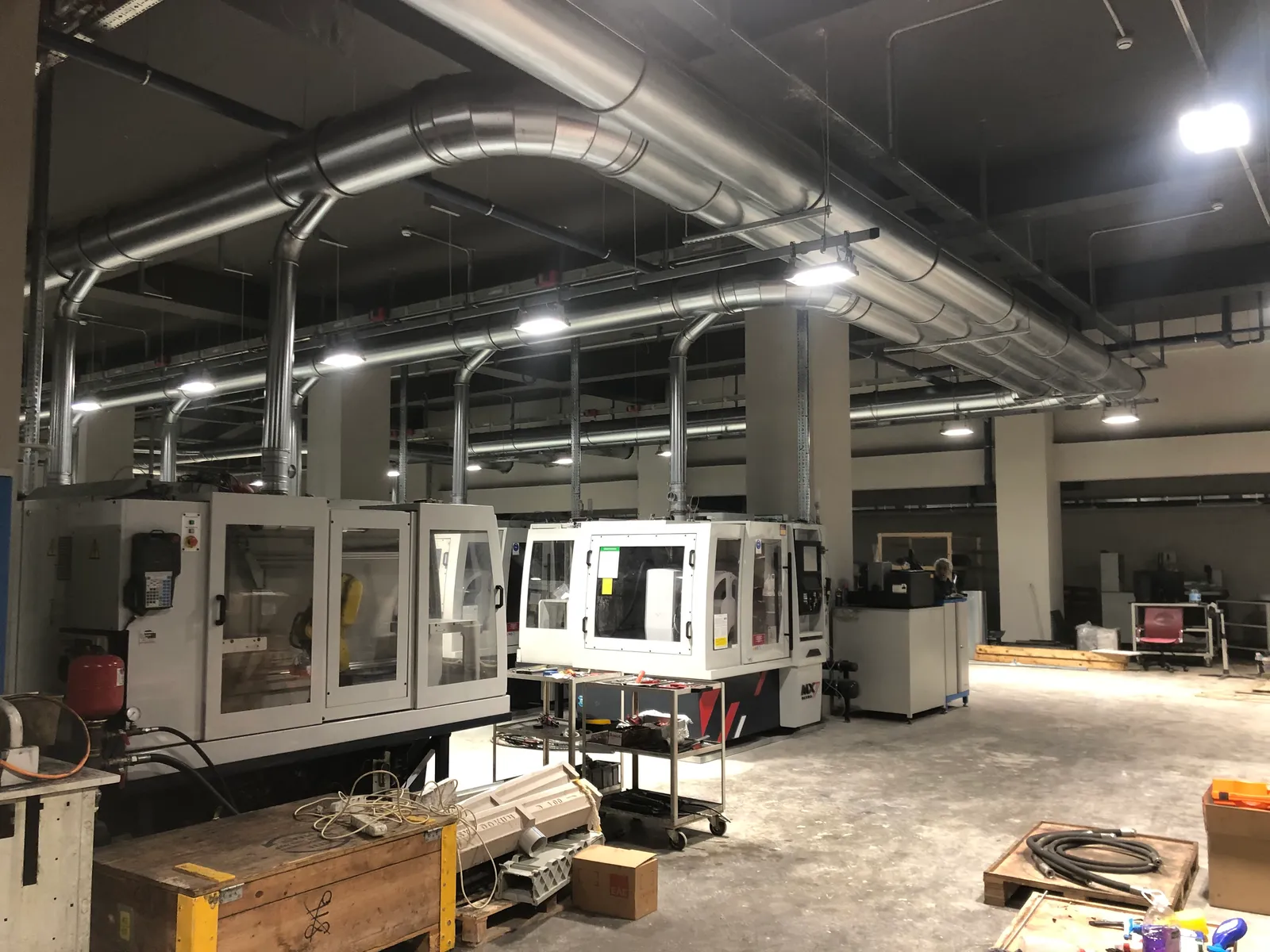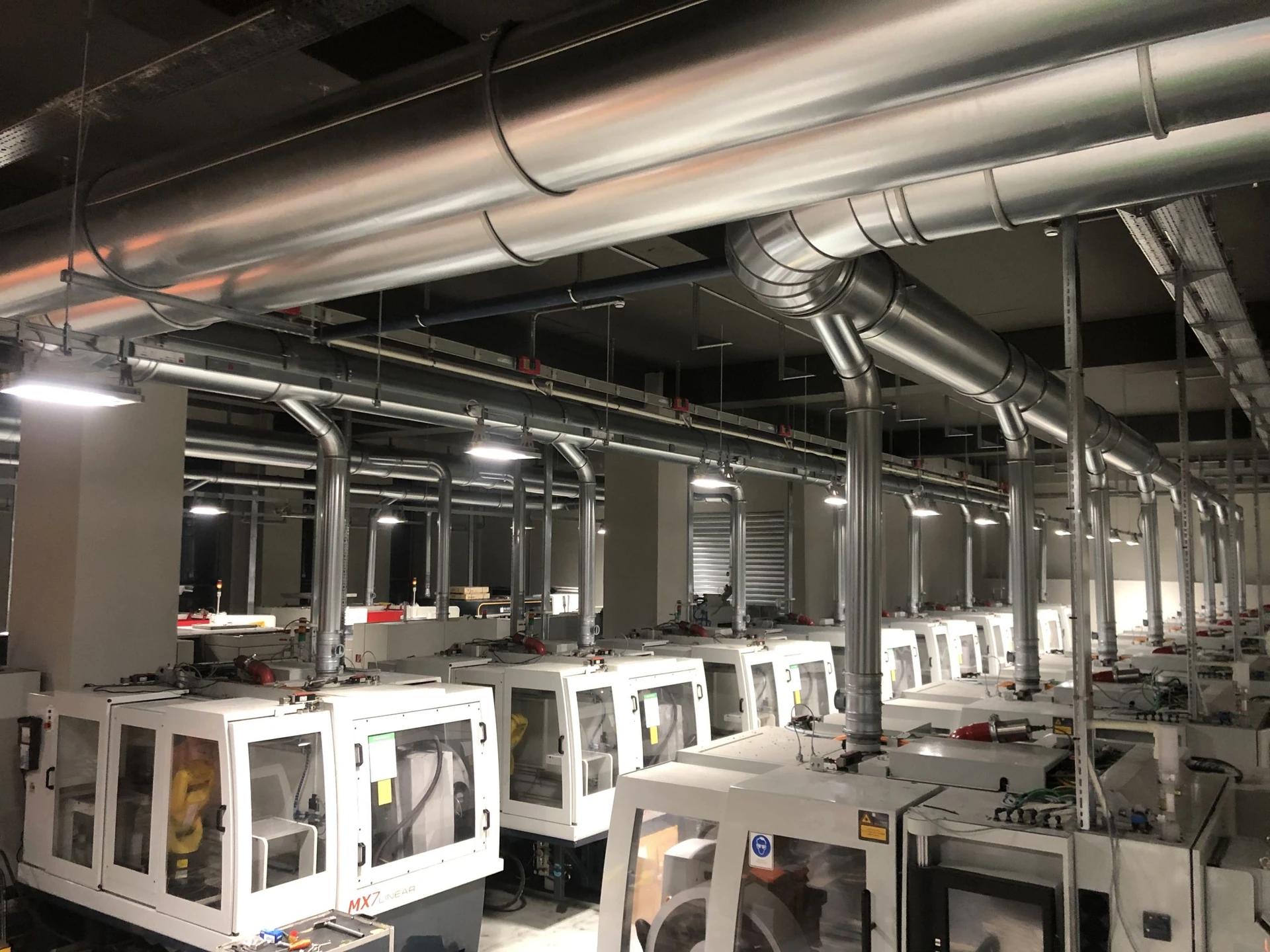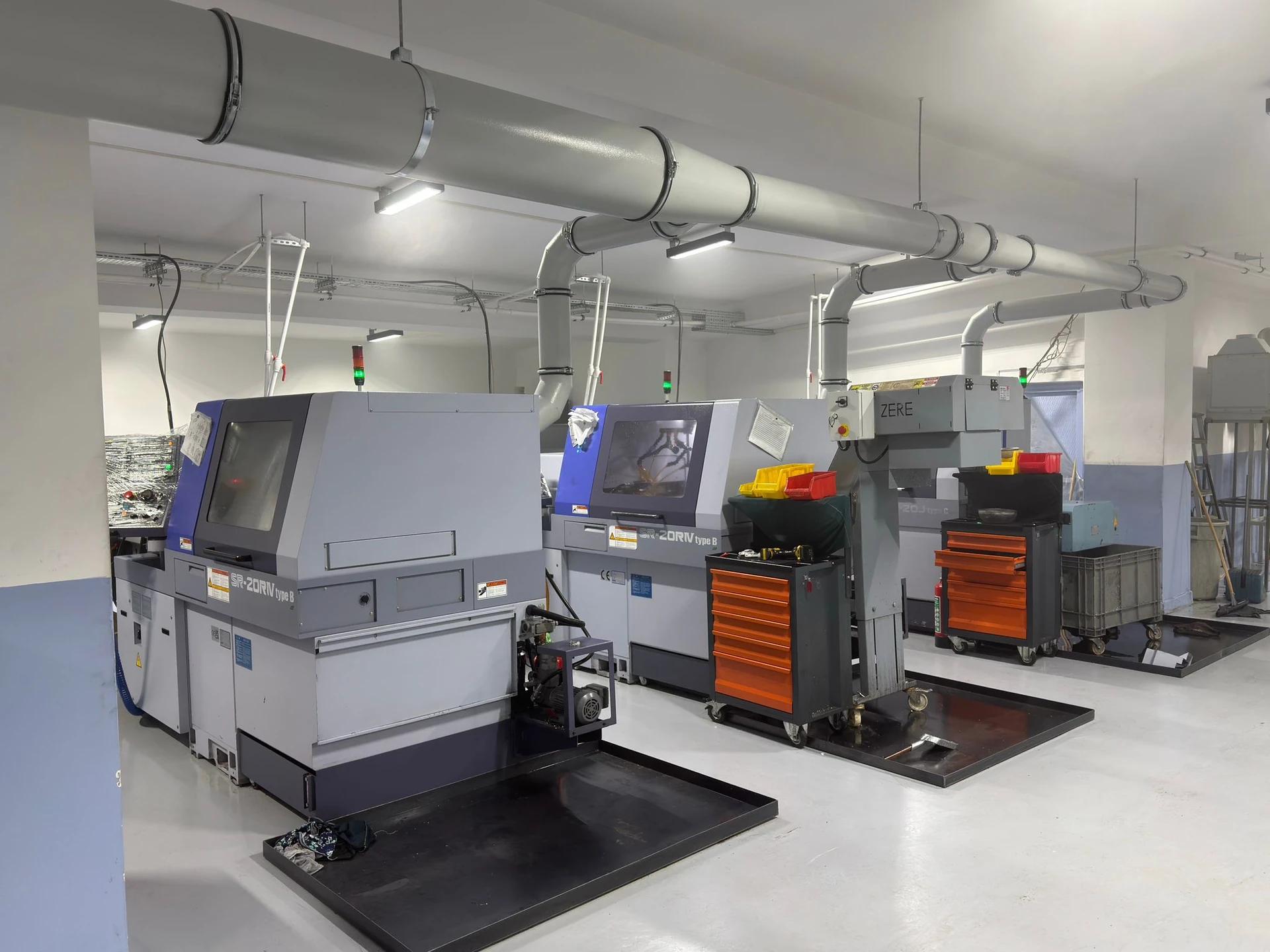
Before choosing an oil mist filter, find out what is entering the air and how workers’ exposure will be measured. Different fluids, machines and tasks can produce different amounts of droplets and smoke in the same workshop.
This article explains what to consider when reading exposure values, planning measurements and maintaining extraction.
Distinguish Oil Mist From Oil Smoke
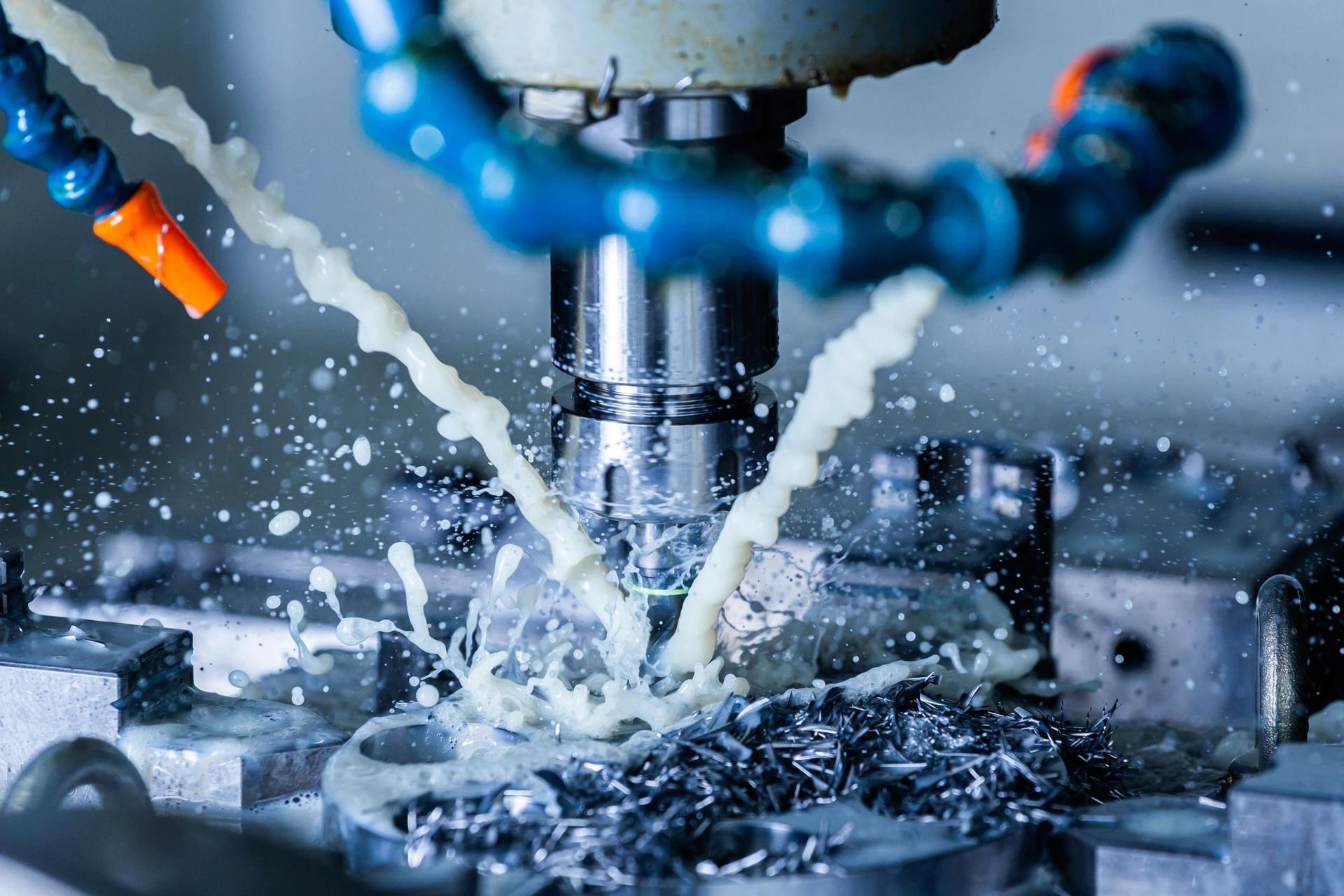
Mechanical spraying and splashing can break fluid into small droplets. Thermal processes can also contribute to finer particles. What is commonly called oil mist is not entirely gaseous: droplet and particle characteristics need to be understood when selecting filtration.
Review the fluid, machine enclosure, fluid pressure and operating duration together. Machine speed or the colour of visible mist alone cannot establish the required filter capacity.
Oil Mist
Small droplets released into the air when fluid sprays or splashes.
Oil Smoke
Finer particles that can form when oil is heated.
What Do Exposure Limits Mean?
An exposure limit must state the substance, particle size range, averaging period and the country or organisation that issued it. Total-particulate and thoracic-particulate measurements should not be treated as interchangeable.
NIOSH recommends a time-weighted average of 0.4 mg/m³ thoracic particulate mass or 0.5 mg/m³ total particulate mass for metalworking fluid aerosols, for up to 10 hours per day during a 40-hour workweek. This is a US agency’s recommended exposure limit; it is not a universal Turkish legal limit or a guarantee of zero risk.
An assessment for your facility should consider the fluid’s safety data sheet, the process and applicable requirements, together with the workplace safety team and a competent measurement provider.
What Should A Measurement Plan Include?
- The material being machined and the metalworking fluid in use.
- Workers’ tasks, task duration and periods when enclosures are opened.
- Sampling times representative of normal and intensive production.
- The measurement method, particle fraction, instrument calibration and reporting units.
- Records that allow comparison during extraction operation and after maintenance.
A portable particle instrument can help reveal changes. However, a single displayed value is not automatically a personal exposure result or evidence of compliance without assessing the method. Odour and visible mist are not substitutes for measurement either.
Check Extraction And Filters Regularly
OSHA’s technical guidance identifies machine enclosures and local exhaust ventilation as important controls for metalworking fluid aerosols. Enclosure leakage, clearance time before opening the door, filter condition and fluid management should be reviewed together.
Keep maintenance records for filter differential pressure, drainage and duct connections. When production or fluids change, check that the previous filter selection remains suitable. Oil deposits in electrical cabinets should also be reviewed with the machine maintenance team.
Pay Attention To Health Observations
HSE explains that contact with metalworking fluids can cause skin problems, while inhaling mist can cause respiratory disease. Report symptoms that may be related to work to the occupational health team. A reduction in visible mist does not by itself demonstrate that all health risks have been eliminated.
BMT Teknik considers extraction points, filter selection and duct design together in its metalworking solutions. Contact our technical team to arrange a site visit and discuss improvements.